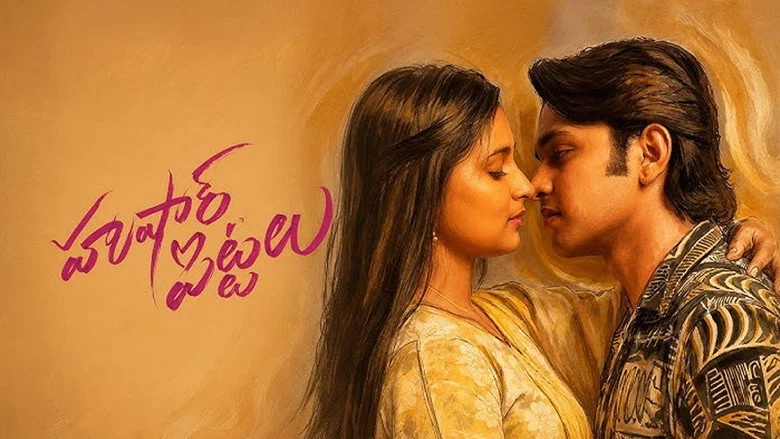

The Girlfriend (2025): Rashmika Mandanna anchors a sharp look at toxic love.


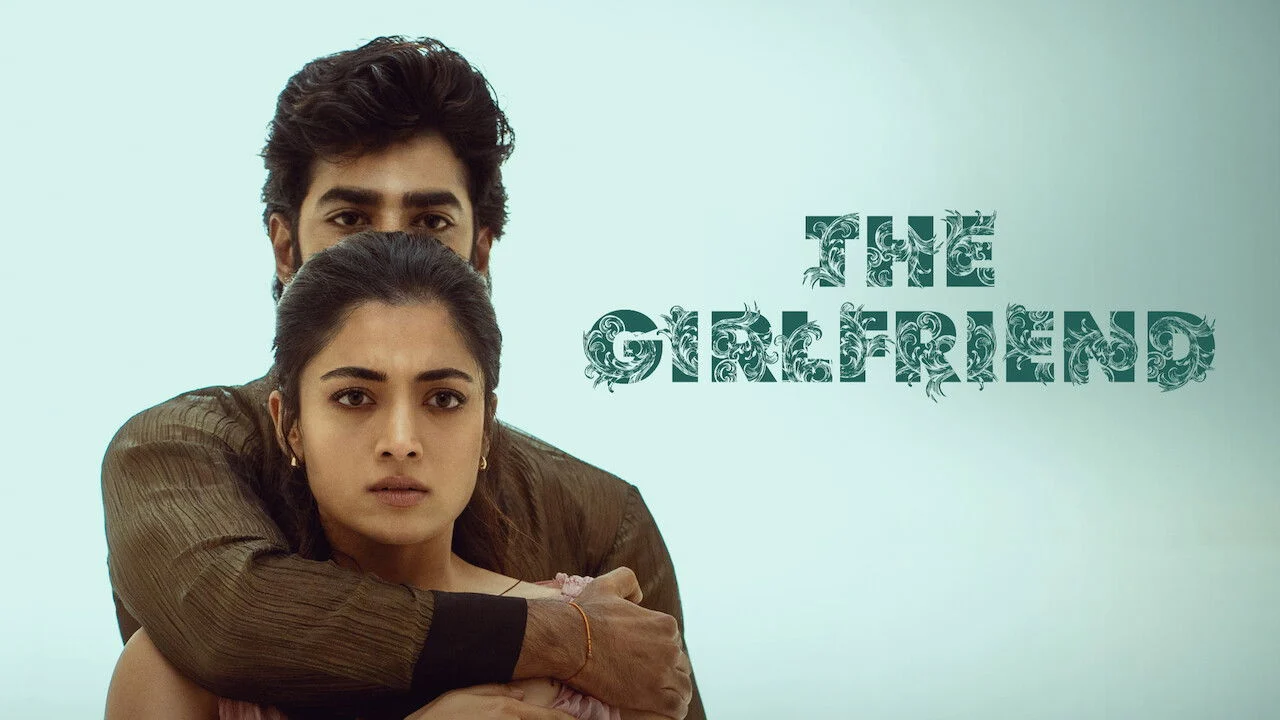
The Girlfriend (2025) is a Telugu relationship drama that starts like a familiar campus romance and slowly turns into a tough, uncomfortable look at control, gaslighting and self-respect. Rahul Ravindran directs Rashmika Mandanna, Dheekshith Shetty and Anu Emmanuel in a story that keeps shifting the spotlight from “cute couple” to the quiet damage inside a toxic bond.
Rashmika plays Bhooma Devi, a small-town postgraduate student who moves to a big city college with all the usual dreams of friendship, freedom and maybe love. She meets Vikram, played by Dheekshith, the kind of guy everyone else seems to like instantly: confident, witty and outwardly caring. That gap between how everyone sees him and what she slowly experiences with him is the film’s main tension.
Story, themes and tone
On the surface, the first act is warm and familiar , canteen chats, rehearsals, campus outings, stolen calls at night. The film deliberately lets the romance breathe so viewers understand why Bhooma falls for Vikram in the first place. It never paints her as foolish; it shows how easy it is to get pulled in when someone appears attentive and understanding.
The shift begins quietly. A comment on what she wears, a complaint when she talks to male friends, a sulk when she chooses family over him. None of these moments feel huge by themselves, and that’s exactly the point: the film is about how control creeps in slowly, disguised as care. By the time Bhooma realises how drained and isolated she feels, she has already lost pieces of herself.

Performances
Rashmika gets a role that is not about loud breakdowns, but about tiny changes in body language and voice. The way her character moves from open and bouncy to guarded and careful is where the performance really lands. She spends a lot of time just reacting, absorbing, shrinking, and that restraint makes her final choices hit harder.
Dheekshith’s Vikram is written without easy villain tags. He isn’t a moustache-twirling abuser; he is polite, charming and, in public, often looks like the one who’s trying harder. That ambiguity is crucial. Viewers are forced to sit with the discomfort of recognising behaviours that are common, not cinematic extremes.
Anu Emmanuel’s Durga is the quiet game-changer. She enters as someone on the periphery of their story and gradually becomes the person who names what Bhooma is going through. Their scenes together , gossiping, rehearsing, sharing fears , bring in a rare tenderness that has nothing to do with romantic approval.
Direction and writing
Rahul Ravindran doesn’t rush to the “message”. He shapes the film around repetition: similar fights that escalate, apologies that feel convincing in the moment, promises that keep getting broken in slightly different ways. It’s not a twist-driven narrative; it’s more like watching a loop from the inside until the protagonist finally steps out of it.
The writing is strongest whenever it stays specific. Small details , a father’s casual judgment, relatives whispering about “character”, friends slowly fading out when things get messy , make it feel lived-in. The script also resists the urge to turn Bhooma into a fiery speech machine overnight. Even when she finally pushes back, it’s hesitant, messy, very human.
Visually, the film tracks her journey with subtle shifts: bright, open frames in the initial college portions give way to tighter, more crowded compositions as the relationship suffocates her. The music by Hesham Abdul Wahab and the background score work more like an emotional undercurrent than a highlight reel, rising mainly in moments where Bhooma is alone with her thoughts.
What works
The biggest win is perspective. The Girlfriend does not treat Bhooma as a side character in a man’s redemption arc. The camera and narrative stay with her , her confusion, guilt, anger and eventual clarity. That alone makes it stand out in a space where toxic romances are often glamorised or brushed aside as “intense love”.
Another strong aspect is how the film handles female friendship. Bhooma and Durga are allowed to exist together without rivalry, without both revolving around a man. Their bond becomes the safety net the relationship tries to cut off, and watching them hold on to each other gives the story warmth in the middle of all the heaviness.
Where it falters
The flip side of a slow-burn approach is that some viewers will feel the length. There are stretches where arguments start to feel familiar, and a few scenes underline the same point when the audience has already understood it. A slightly sharper edit in the second half could have kept the emotional punch while trimming the drag.
Also, the ending, while satisfying in intent, may feel too neat for some. Real life rarely offers such clean resolution, and a couple of moments in the climax lean closer to cinematic closure than the raw, messy truth the film has been sitting in.
Audience impact and reach
The Girlfriend is not a “date movie” in the conventional sense, even though it is about a relationship. It’s more like a mirror that a lot of women and men will recognise quietly, without wanting to admit it out loud. For some, it will be uncomfortable; for others, oddly validating.
Because it doesn’t rely on shock twists or extreme violence, its impact builds slowly and stays with you later, when you think about your own boundaries, your friend’s WhatsApp chats, or that one relationship everyone around you romanticised but never really understood.
Overall verdict
The Girlfriend (2025) is a carefully observed, performance-driven drama that chooses to sit with the girl in a “problematic” relationship rather than diagnosing her from a distance. It’s not flawless, and it won’t work for everyone, but it is honest, grounded and, at key moments, painfully relatable.
As a piece of mainstream Telugu cinema, it quietly pushes the line on how love stories are told , less fairy tale, more reality check. For viewers open to a slower, more internal film, it’s absolutely worth a watch.
Rating: 4.1/5