
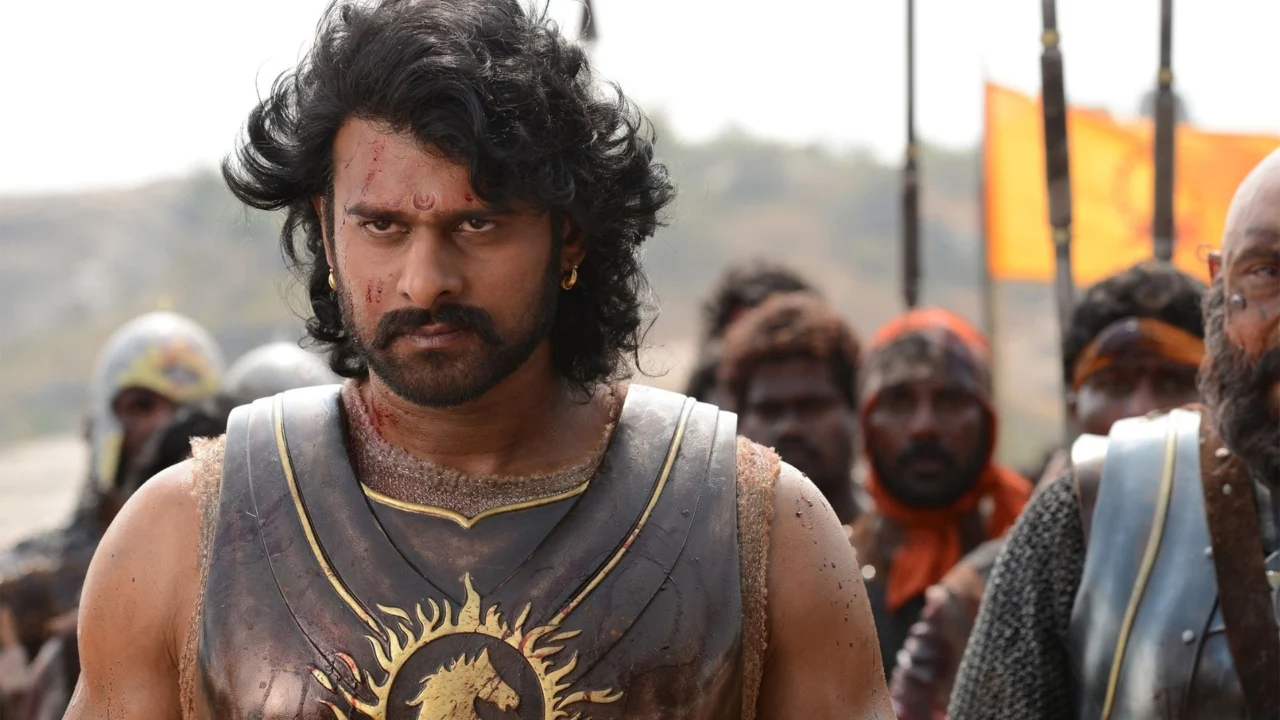
Bāhubali: The Epic (2025) Movie ft. Rana, Prabhas, and Anushka
Bāhubali: The Epic (2025) is not a brand-new story but a freshly stitched, four-hour theatrical cut that pulls together both Baahubali films into one massive, continuous experience. It brings Prabhas, Rana Daggubati and Anushka Shetty back to the biggest screens, with S. S. Rajamouli tightening and polishing the saga for a 10-year celebration run.
What this version really offers is a chance to live the full Mahishmati arc in one breath: from the question “Why did Kattappa kill Baahubali?” to the final, cathartic answer, without the gap and repetition of two separate releases. The film has been remastered visually and sonically, tweaked in pace, and marketed as the “definitive” way to watch this universe in theatres.
Story flow and structure
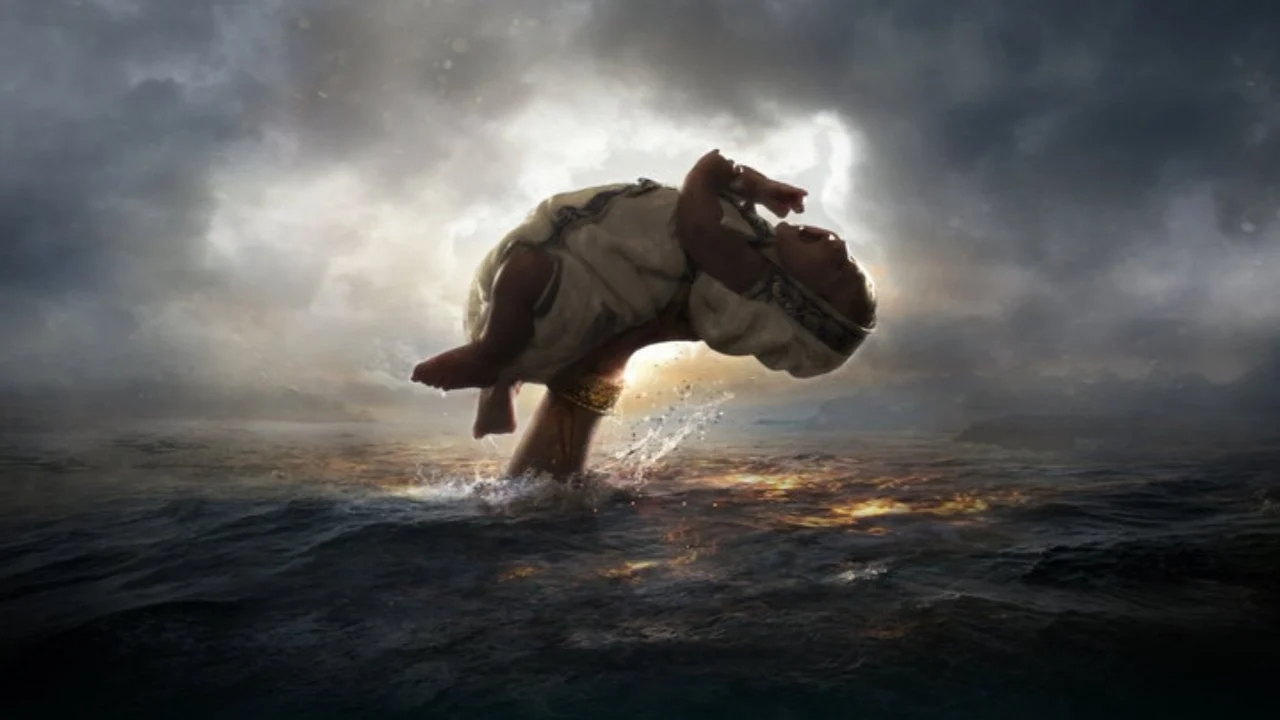
For anyone walking in blind, Bāhubali: The Epic follows two generations. First, it traces Amarendra Baahubali’s rise as a just, beloved prince and his clash with his cousin Bhallaladeva. Then it moves into Mahendra’s journey from a boy raised in exile to the heir who returns to reclaim Mahishmati.
In this cut, there’s no hard part one/part two break. The narrative slides from the mystery-driven first half (discovering who Baahubali was) into the revenge-driven second half (Mahendra fighting for what was stolen). Some redundant exposition is trimmed, and certain emotional beats are shifted so the story feels more like one long river instead of two separate streams.
Performances and character impact
Prabhas benefits the most from this re-edit. Seeing his Amarendra and Mahendra arcs back-to-back, with no real-world gap, underlines how different the two men are in energy yet how similar they are in core values. It reminds you why this role turned him into a pan-India face.
Rana Daggubati’s Bhallaladeva gains extra menace in the continuous format. Without the pause between films, his schemes, paranoia and eventual downfall hit harder, because the audience sits with his cruelty and insecurity for a longer, uninterrupted stretch.
Anushka Shetty’s Devasena also shines more here. The combined cut makes her transition from fierce warrior-princess to imprisoned queen feel like one grievous wound instead of two separate phases. Her anger, sarcasm and unbroken pride become the emotional spine of large portions of the middle.
Direction, editing and spectacle
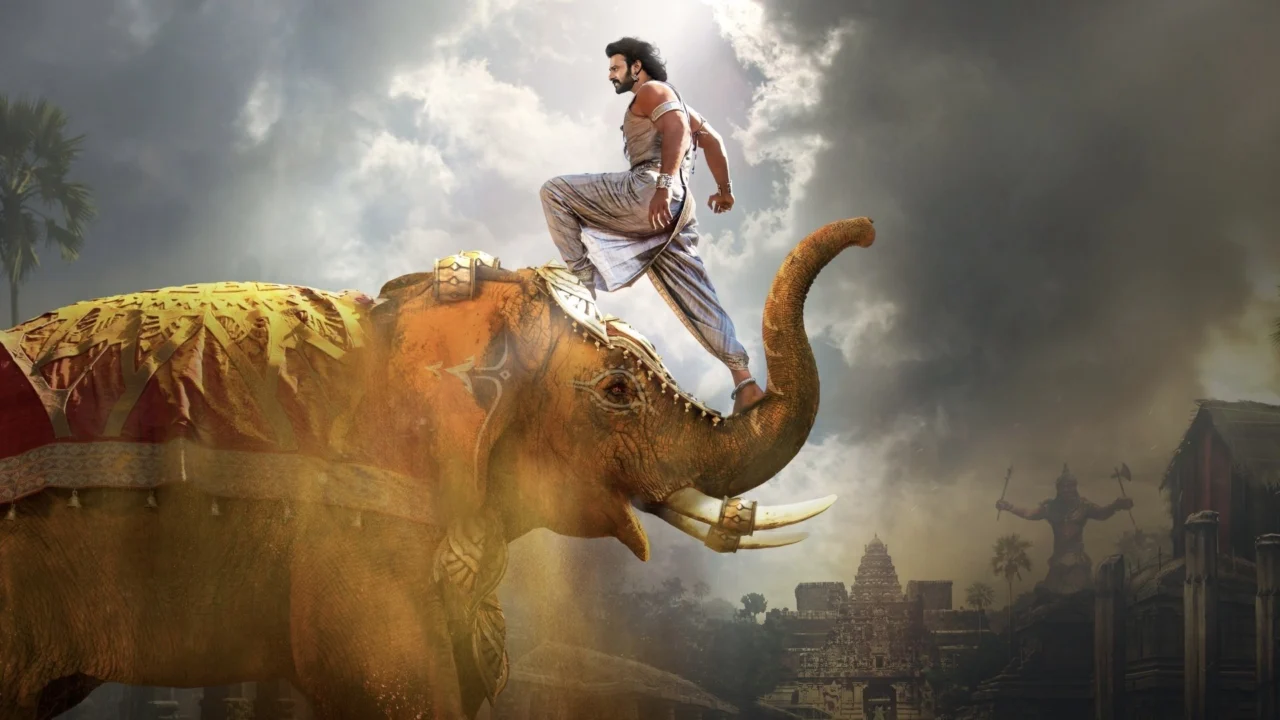
Rajamouli’s direction was already built for scale; this version amplifies that sense of immersion. Large battle sequences, the waterfall climb, the flaming bull, the siege of Mahishmati , all are re-graded and re-mixed to hit harder in modern premium formats.
The key difference is in rhythm. Some side tracks are tightened, and certain comedy portions that once broke momentum are trimmed or repositioned. The cut still isn’t “short” by any stretch, but it feels more focused, with the emotional and action peaks spaced more deliberately across the 3 hour 50+ minute runtime.
The sound design and score get a boost too. Familiar themes return with more punch in Atmos setups; crowd chants, clanging metal, rainfall and war drums are layered to suit contemporary theatrical systems. For fans who’ve only seen the films on streaming or TV, it’s a serious upgrade.
What works better in this version
- The father–son mirror: Watching Amarendra’s fate and Mahendra’s rise in one go makes the generational arc more powerful. You feel the weight of what was lost and what is being reclaimed.
- Bhallaladeva’s villainy: His manipulation of Sivagami, his jealousy, his fear of Baahubali’s popularity – all seem more relentless, less broken up by cliffhangers and time gaps.
- Devasena’s journey: Her romance, betrayal, captivity and vindication land with more clarity because the new flow doesn’t keep resetting her arc.
- Emotional continuity: Important relational threads – mother and son, queen and kingdom, brothers at war – are allowed to breathe longer before the next big explosion.
What still doesn’t fully land
This is still fundamentally the same two films, just re-cut. So the core issues remain: certain scenes are unapologetically melodramatic, some VFX shots show their age beside the upgraded ones, and the underlying politics of Mahishmati are painted in broad strokes.
A few viewers may also feel the loss of moments they loved in the originals. Some comedic exchanges, side characters, and slower character-building scenes have clearly been trimmed. For purists, this will always be a “version”, not a replacement.
And nearly four hours in a theatre, no matter how grand the spectacle, is a commitment. If you weren’t sold on Baahubali the first time, this won’t magically convert you.
Audience experience and value
Where Bāhubali: The Epic absolutely delivers is as an event. For an entire generation that discovered Baahubali on TV or OTT, this is likely their first chance to feel its scale the way it was meant to be felt: towering screens, vibrating seats, cheering crowds.
For long-time fans, it plays like a nostalgia trip and a technical flex rolled into one. The story hits familiar notes, but the upgraded sound, cleaned-up visuals and continuous storytelling justify a revisit if you still enjoy big-scale mythic fantasy.
Overall verdict
Bāhubali: The Epic (2025) doesn’t rewrite the legend, but it does reframe it. As a single, unified cut, it emphasises the generational saga, sharpens certain character arcs and wraps the whole Mahishmati story into one gigantic, operatic evening at the movies.
If you already love this world, this version is the fullest way to dive back in. If you’ve somehow never seen Baahubali on the big screen, this is the definitive chance.
Rating: 4.3/5