
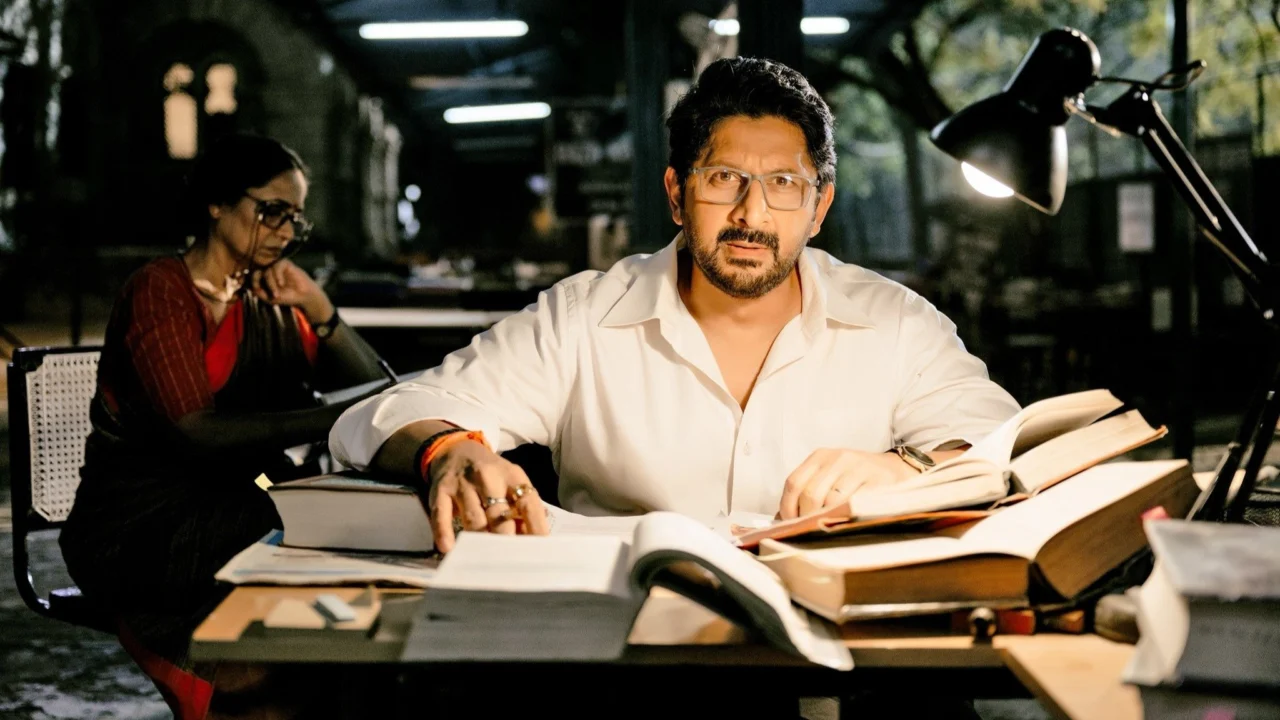
Jolly LLB 3 (2025) Movie ft. Arshad, Akshay, and Saurabh
Jolly LLB 3 (2025) brings both Jollys into the same courtroom and lets them loose on one big, ugly case, while Judge Tripathi sits in the middle like an exhausted school principal who’s seen it all. Subhash Kapoor pulls Arshad Warsi, Akshay Kumar and Saurabh Shukla into a single clash and uses their chemistry to balance laughs with a genuinely grim story about farmers and land grabs.
Story, setup and tone
The film opens in Delhi’s sessions court, where Jagdish Tyagi from Meerut and Jagdishwar Mishra from Kanpur now practise side by side, constantly undercutting each other for clients. Their petty rivalry feels almost sitcom‑like until Janki, a farmer’s widow, walks in with a file on her husband’s suicide after a forced land acquisition.
What looks like a “small” case nobody wants becomes the spine of the film. As the matter grows from one farmer’s tragedy to a pattern of land grabs and staged encounters, the tone slides from easy banter to sharp, uncomfortable satire. The humour never disappears, but it starts biting a lot harder.
Performances and character dynamics
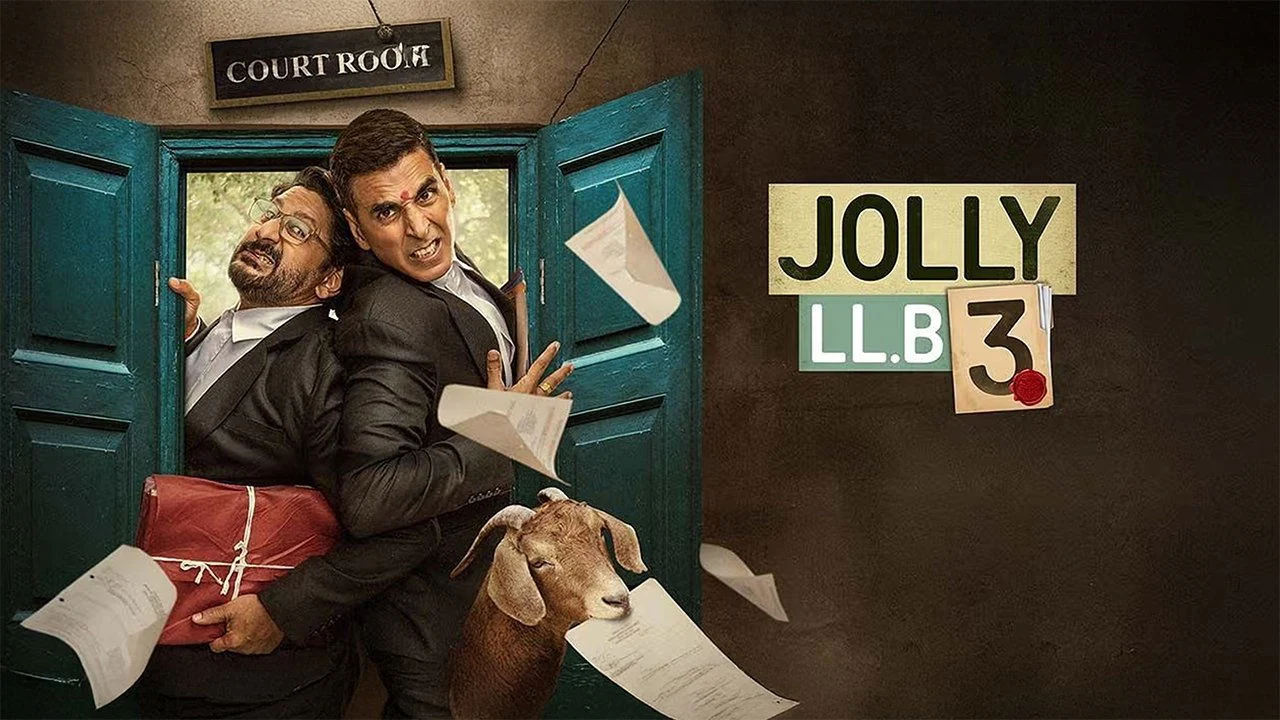
Arshad’s Tyagi is still the street‑smart hustler, always looking for a shortcut, always one chai away from selling out, yet unable to ignore his conscience for too long. His sarcasm and body language keep the lighter scenes alive, especially when he thinks he’s out‑smarted everyone and then gets blindsided.
Akshay’s Mishra arrives as the more polished, morally upright Jolly who believes he’s above Tyagi’s jugaad. But the moment big money and political pressure enter the picture, you see him wobble too. Their rivalry slowly turns into a reluctant partnership, and that shift feels earned because it plays out through ego clashes, not speeches.
Judge Tripathi and the courtroom
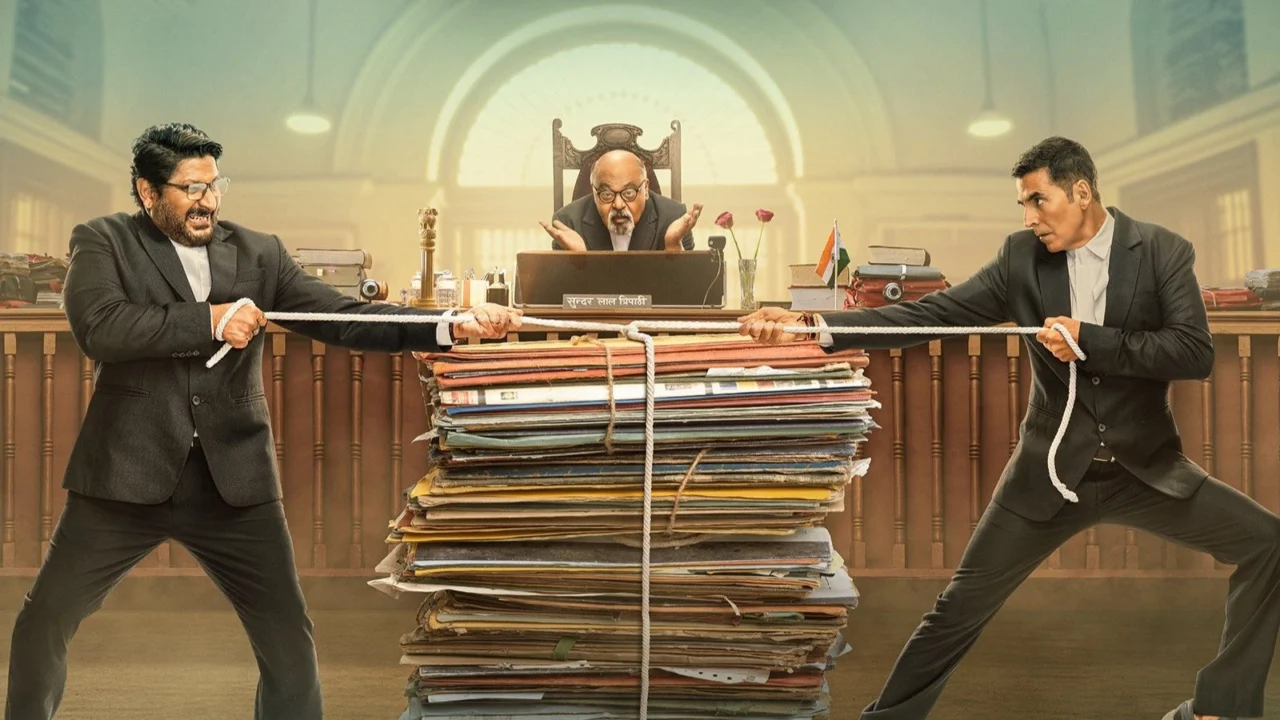
Saurabh Shukla’s Justice Sunderlal Tripathi is the axis everything spins around. He’s funnier than both Jollys put together when he’s ripping into sloppy arguments, but there’s a constant underlying frustration that the system around him moves so slowly against power.
The courtroom itself is treated as a living organism: bursting with junior lawyers, gawking law students, clerks who’ve seen every trick in the book and clients who don’t understand half of what’s going on. Hearings swing between slapstick (mangled English, wrong files, phone rings) and razor‑sharp exchanges about law, evidence and responsibility.
Writing, humour and politics
Kapoor keeps the structure classic: case comes in, opposition hires heavyweight counsel, both sides dig for evidence, and every hearing reveals a new layer of rot. The land story is clearly inspired by real headlines, but the film avoids naming names and instead focuses on patterns: forged consent letters, ghost companies, police reports written to order.
Humour is most effective when it comes from character, not punch lines. Tyagi mispronouncing Latin legal terms, Mishra over‑explaining basic law to impress, Tripathi cutting them both down with one dry remark , these beats feel organic. A few social‑media jokes and meme references, though, already feel dated and forced.
What works and what drags
The big win is the three‑way chemistry. Any scene with both Jollys and Tripathi instantly lifts , you can sense a decade of comfort between the actors, and that makes even heavy exposition fun to sit through. When the script leans into this triangle, the film flies.
Where it drags is in the side tracks. A sentimental song on farmer suicides and a couple of home‑front subplots (marital arguments, in‑laws commentary) stretch the runtime without adding much that the core court scenes don’t already convey. The pre‑interval twist is also telegraphed enough that it lands with less punch than intended.
Overall verdict
Jolly LLB 3 isn’t as sharp as the first film or as rousing as the best parts of the second, but it finds its own groove by turning the franchise into a three‑hander: two flawed lawyers, one fed‑up judge and a system everyone both mocks and depends on. When it remembers that equation and stays inside the courtroom, it’s funny, engaging and occasionally cutting.
As a complete package, it’s a solid, entertaining legal drama that still has something to say about how justice bends when it brushes up against money and power.
Rating: 3.8/5