
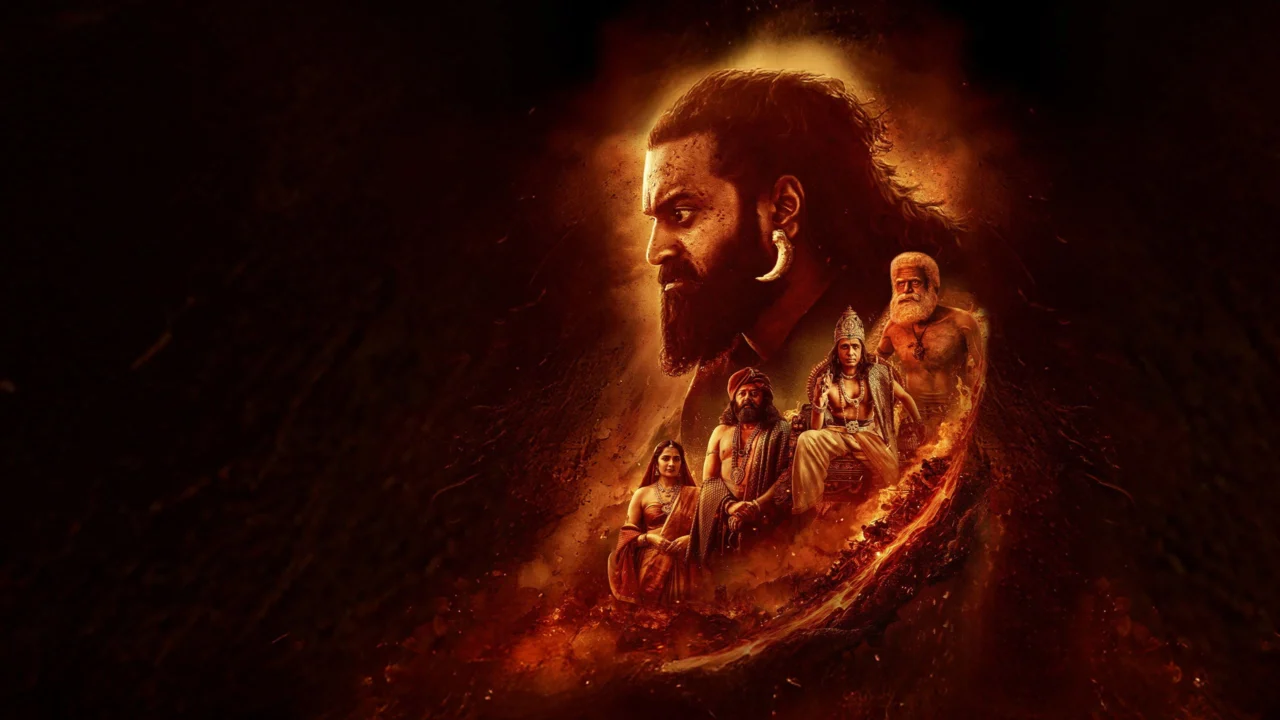
Kantara – A Legend: Chapter 1 (2025) Movie ft. Jayaram, Rishab, and Rukmini
Kantara , A Legend: Chapter 1 is a ferocious Kannada period drama that digs into the origin myth behind Kantara’s daivas instead of trying to “top” the first film in scale. Rishab Shetty returns as writer‑director and lead, with Rukmini Vasanth and Jayaram helping anchor a story where kings, traders and spirits all fight over the same patch of forest.
Set centuries before the original, this chapter unfolds during the Kadamba era, when Bangra’s royal family first turns its gaze toward Kantara’s spice‑rich land. What starts as a simple plan to control trade slowly becomes a spiritual tug‑of‑war: the crown on one side, a tribal community and their guardian deities on the other.
Story, world and stakes
The film follows Berme (Rishab Shetty), a boy mysteriously found in a sacred well and raised by a forest tribe that believes their daivas, Panjurli and Guliga, walk with them. As he grows, Berme discovers the outside world at Bangra’s port, where he realises the spices of his land are quietly enriching the kingdom while his own people stay poor.
Instead of playing pure victim, Berme tries to game the system , learning trade, cultivating on his terms and pushing back against unfair levies. This practical rebellion is what drags him into the line of fire between an ambitious young king and an older order determined to keep Kantara’s forest unbent.
The film’s real stakes are not just land or wealth; they’re about who gets to define “dharma” in a world where kings wear crowns but daivas decide when it all ends.
Performances and characters
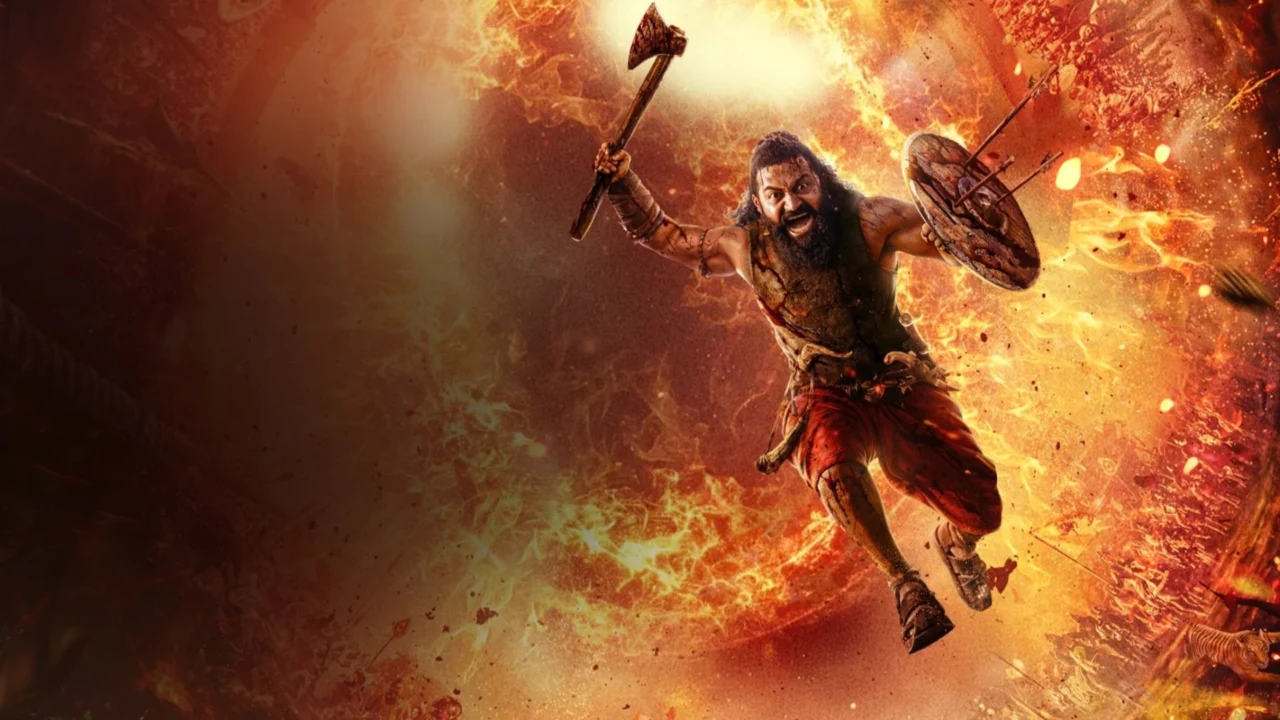
Rishab’s Berme is less wild than Shiva from Kantara and more layered from the start. You see flashes of doubt, curiosity and calculation even before the divine enters him. When possession does hit, it feels like an extension of a man who was already half‑way between human and myth.
Rukmini’s Kanakavathi walks a tricky line. She’s introduced as a royal figure with empathy for the tribe and genuine affection for Berme, but the film slowly reveals that she carries her own loyalties and secrets. Her arc shifts from ally to possible betrayer without turning her into a simple villain.
Jayaram plays Rajashekara, an older king forced to navigate between the restless spirits of the forest and the political greed inside his own court. He brings a weariness and grace that adds weight to the palace portions, stopping them from feeling like filler between action stretches.
Direction, craft and atmosphere
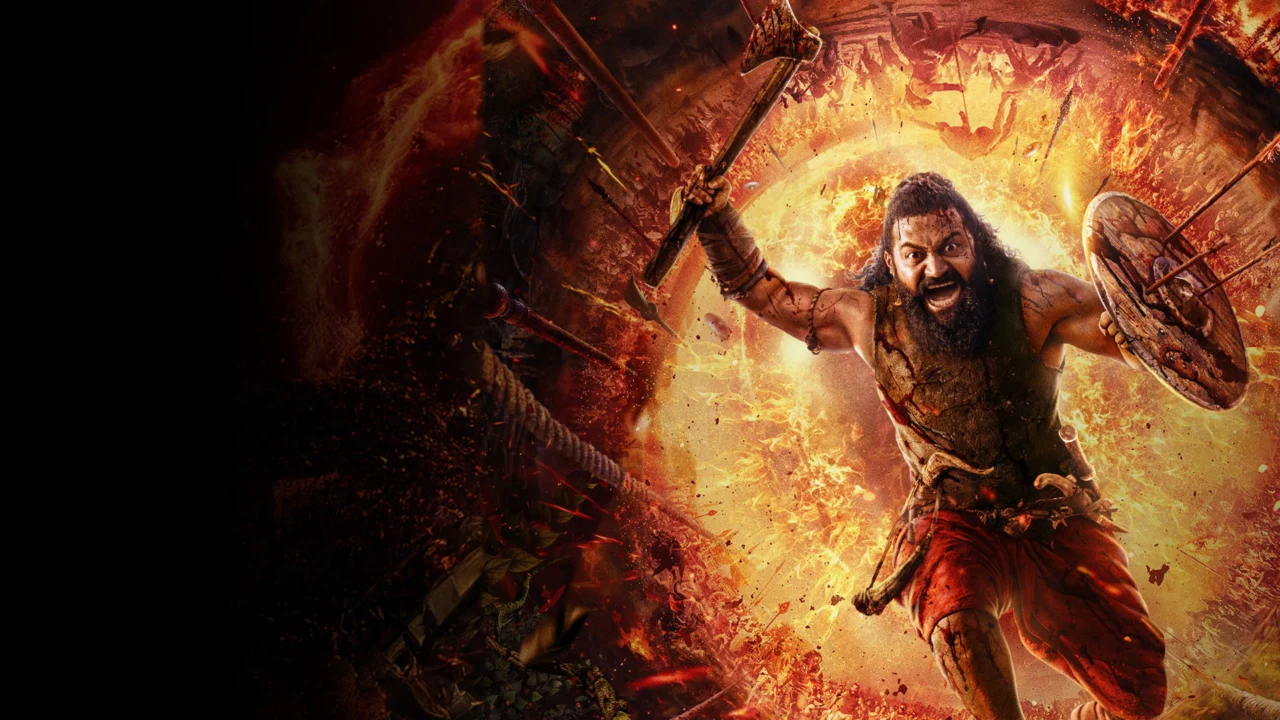
Visually, Chapter 1 leans even harder into ritual and landscape than the first film. Forest canopies, marshes, coastal ports, shrines carved into rock and that ominous, ever‑present well combine to create a world that feels lived‑in, not designed.
Rishab and cinematographer Arvind S. Kashyap avoid clean fantasy gloss. Fights are muddy, night sequences are lit by fire and moon, and even the grandest shots often carry some element of grime or smoke. When the daiva finally erupts, the impact comes from how grounded everything before it has been.
B. Ajaneesh Loknath’s score is a continuous pulse under the film, more percussive and chant‑driven than melodic. The sound design leans into breath, drum, metal and crowd rather than jump scares, which fits a story where the supernatural is woven into daily life.
What really works
- The film treats folklore as living law, not decoration. Every ritual, dance and chant has consequences in the story; nothing is just for aesthetic.
- Berme’s journey from curious youth to chosen weapon feels organic. His politics and his faith grow together instead of being separate tracks.
- The collision between royal court and tribal life is written with nuance. You see genuine attempts at negotiation before blood spills, which makes the eventual violence hurt more.
- Set‑pieces – a port ambush, a temple ceremony gone wrong, the climactic possession‑driven battle – are staged with clarity and escalating intensity.
Where it falters
Chapter 1 isn’t flawless. The middle section, especially around court intrigue and trade negotiations, does drag at points. Some viewers will feel the film pauses too often to lay out backstory and dynastic detail.
A couple of supporting characters, including key advisors and antagonists, are sketched broadly , more symbols of greed or faithlessness than fully fleshed‑out people. Their motivations are understandable but rarely surprising.
And if you go in expecting a straight, adrenaline‑heavy replay of Kantara’s final 30 minutes, you’ll find this one more patient and dense. It’s a slower burn, which may not suit everyone.
Emotional and thematic impact
At its core, Kantara , A Legend: Chapter 1 is about what happens when people who worship the forest are forced to negotiate with those who see it as an inventory. It pushes harder into questions of exploitation, collaboration and betrayal than the first film, while still delivering the goosebump ritual moments fans came for.
The final act, once the spiritual and political threads finally snap together, lands with the kind of raw energy that made Kantara a phenomenon. But here, the emotion is coloured by a sense of tragic inevitability , this is a prequel, and you always feel the weight of what’s coming in later chapters.
Overall verdict
Kantara , A Legend: Chapter 1 is an intense, sometimes heavy, but deeply immersive expansion of the Kantara universe. It trades some of the first film’s simplicity for denser world‑building and a more openly political conflict, and in doing so it carves out its own identity rather than living off nostalgia.
If you’re willing to sit with its slower stretches and thick folklore, it rewards you with a finale and a set of images that’ll stay in your head long after the drums stop.
Rating: 4.2/5