
Sitaare Zameen Par (2025) Movie ft. Genelia, Aamir, and Dolly
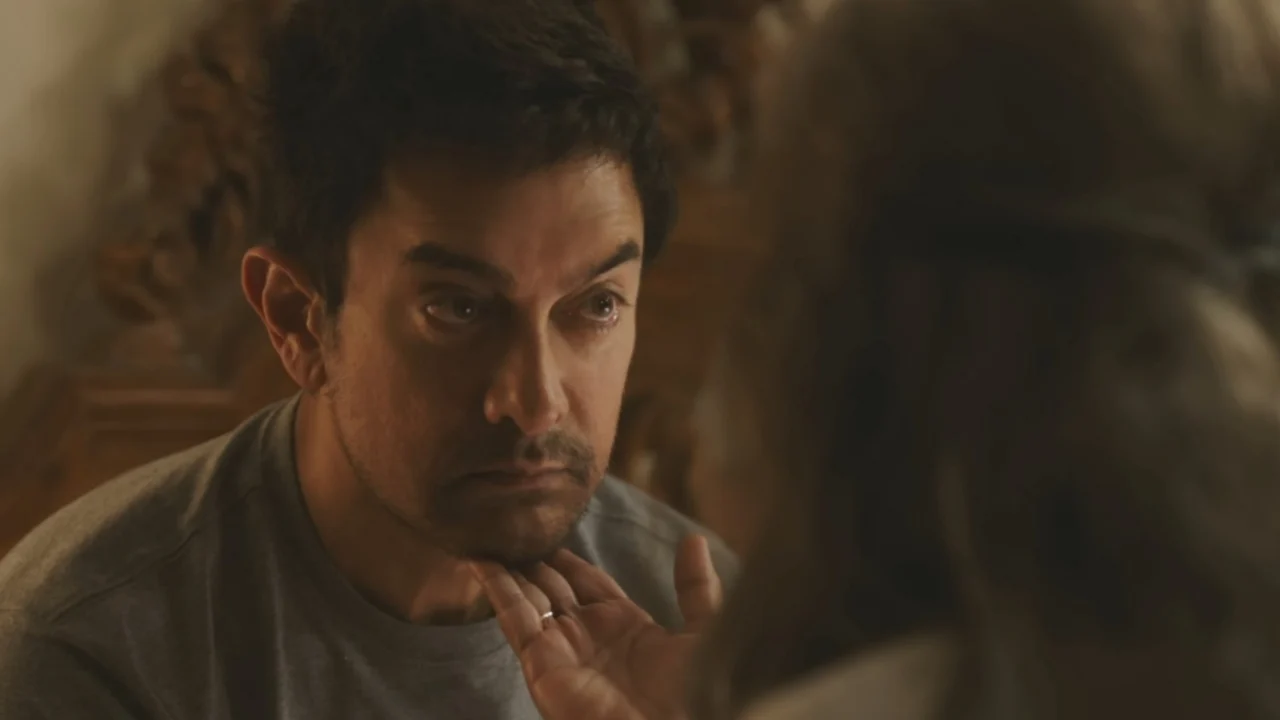
Sitaare Zameen Par (2025) is a Hindi sports dramedy that takes Aamir Khan back to familiar territory emotionally, but shifts the canvas from one troubled child to a whole team of “written‑off” young adults. He plays Gulshan, an ego‑heavy basketball coach forced to work with a squad of players with intellectual disabilities; Genelia is his wife Sunita, and Dolly Ahluwalia plays Preeto, the sharp‑tongued matriarch watching him stumble and grow.
On paper it sounds like a feel‑good, underdog sports film. In execution, it’s more about Gulshan being coached out of his own prejudice than about perfecting three‑pointers. The match is important, but the real game is whether he can stop seeing his team as a punishment and start seeing them as people.
Story, setup and tone
Gulshan’s world collapses when his temper and arrogance get him suspended from mainstream coaching. As part of community service, he lands in an NGO that runs a small basketball program for neurodivergent and intellectually disabled youngsters who’ve been turned away from other academies.
From the first training session, he wants to run it like a professional camp , drills, discipline, zero “nonsense.” The kids want to play, joke, wander, ask too many questions. The first act is built almost entirely on that clash, and the film plays it with a mix of humour, discomfort and growing tension in his marriage as Sunita watches him repeat old mistakes in a new space.
The tone stays light on the surface , jokes in the stands, quirky training montages, family banter at home , but you can feel something heavier under it: a man deeply scared of failure, and a group of players tired of being treated like inspirational props.
Performances and characters
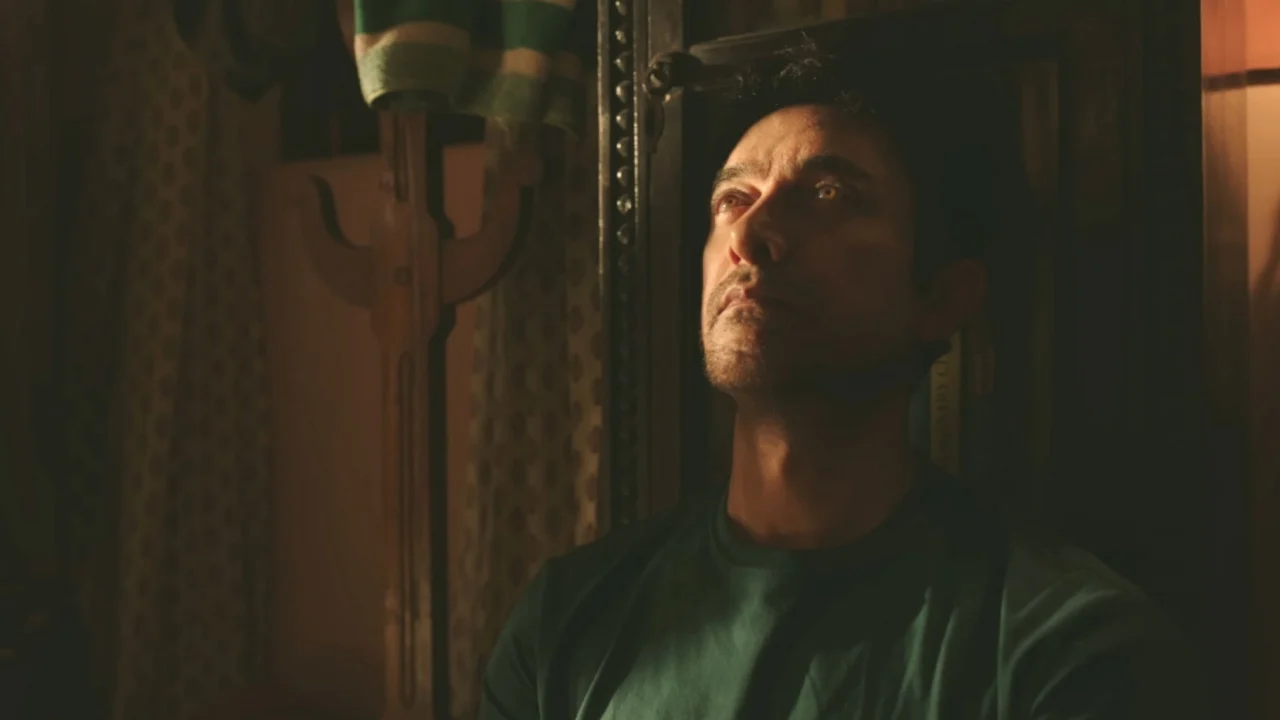
Aamir’s Gulshan starts off borderline unlikeable: sarcastic, image‑obsessed, and more interested in how the team will “make him look” than in their actual progress. The performance works because he doesn’t soften the edges too early. Small cracks appear gradually , a silent moment after a player’s meltdown, the way his voice drops when a parent calls their own child “useless”.
Genelia’s Sunita is the emotional barometer of the film. She’s the one who calls out Gulshan’s casual cruelty at home, pushes him to actually learn about his players’ conditions, and quietly becomes a bridge between the kids’ families and her husband. Her scenes with Dolly are some of the sharpest , two women who’ve seen enough of male ego to recognise when it’s about to ruin something again.
Dolly Ahluwalia’s Preeto is written as both comic relief and truth bomb machine. She dotes on the kids, bullies Gulshan when needed and undercuts heavy scenes with one dry line that lands harder than any speech. She also gets a few surprisingly tender moments that remind you she’s parenting her son and her “grandkids” at the same time.
The young ensemble playing the team is the real heart. They aren’t polished actors; they feel like real teens with distinct quirks, anxieties and joys. The film gives each at least one defining moment, whether it’s a meltdown at a mall, a small victory at practice or a brutally honest question that floors Gulshan.

Direction, writing and craft
R. S. Prasanna keeps the structure tight: fall from grace, reluctant new job, early failures, bonding, big setback, final game. What saves it from feeling mechanical is the specificity of the interactions. Training scenes are less about tactics and more about learning how each player processes instructions, noise, pressure and praise.
The writing mostly avoids melodramatic background tragedies. Instead of dumping backstories, the film lets you learn about the kids the way Gulshan does , in fragments and accidents. A forgotten inhaler, a panic attack in a crowded elevator, a carefully folded drawing in a backpack say more about their inner lives than explanatory monologues would.
Technically, Sitaare Zameen Par is clean and functional rather than showy. The camera stays close to faces in the emotional bits, pulls back during games so you can actually follow play, and uses warm, natural tones in the NGO and home spaces. The music leans heavily on uplifting cues and choruses; a couple of songs are catchy inside the film, even if they might not travel far outside.
What works
- The film never turns the kids into trophies. They mess up, fight, quit, return; they’re not miracle machines built to redeem the coach.
- Gulshan’s transformation feels earned. He doesn’t wake up one day “fixed”; he slips, apologises badly, learns in awkward stages.
- Genelia and Dolly balance the male energy with grounded, often blunt realism. They say out loud what many audiences will be thinking.
- Moments of humour arise naturally from character and situation, especially around practice and matches, rather than from forced comic tracks.
Where it falls short
Even with its sincerity, this is still a very familiar sports‑drama curve. If you’ve seen a few underdog films, you can predict most structural beats, including when the big speech will arrive and how the final match will turn.
The second half occasionally leans into montage‑heavy sentiment, slowing the pace right when you expect the narrative to tighten. A couple of emotional payoffs feel a bit too clean, especially in how quickly some parents shift their attitudes after one victory.
Also, while the script nods to larger questions , education systems, accessibility, government support , it keeps the focus firmly on Gulshan and his immediate circle. Viewers hoping for a deeper systemic critique will find it more personal than political.
Emotional impact and audience connect
Where Sitaare Zameen Par really scores is in the small, unshowy moments: a player insisting on taking a crucial free throw despite shaky hands, Sunita quietly rewriting a practice plan after watching the kids struggle, Gulshan staying back alone to rewatch practice footage not to analyse strategy, but to finally notice how overwhelmed one boy looked.
For families, especially parents of neurodivergent kids or those with intellectual disabilities, the film offers representation that aims to be celebratory without sugar‑coating daily challenges. For general audiences, it plays as a heart‑first, feel‑good story about finding dignity and self‑worth where society least expects it.
Overall verdict
Sitaare Zameen Par (2025) is warm, occasionally manipulative, but mostly honest cinema that uses a familiar sports template to talk about inclusion, patience and unlearning prejudice. It doesn’t hit as hard or as uniquely as Taare Zameen Par did, and it doesn’t try to. It stands as its own story: a flawed man learning to coach, and be coached by, a team the world chose to look away from.
If you walk in with reasonable expectations and an open heart, it’s difficult to leave without at least a lump in your throat and a couple of faces from that team stuck in your head.
Rating: 3.8/5