
They Call Him OG (2025) Movie ft. Priyanka, Emraan, and Pawan
They Call Him OG is a bruising Telugu gangster drama that treats its lead less like a swaggering hero and more like a storm that’s rolled back into a city already on its knees. Pawan plays Ojas “OG” Gambheera, the legend everyone thought was dead, with Priyanka Arul Mohan and Emraan Hashmi locking in the emotional and villainous sides of his return.
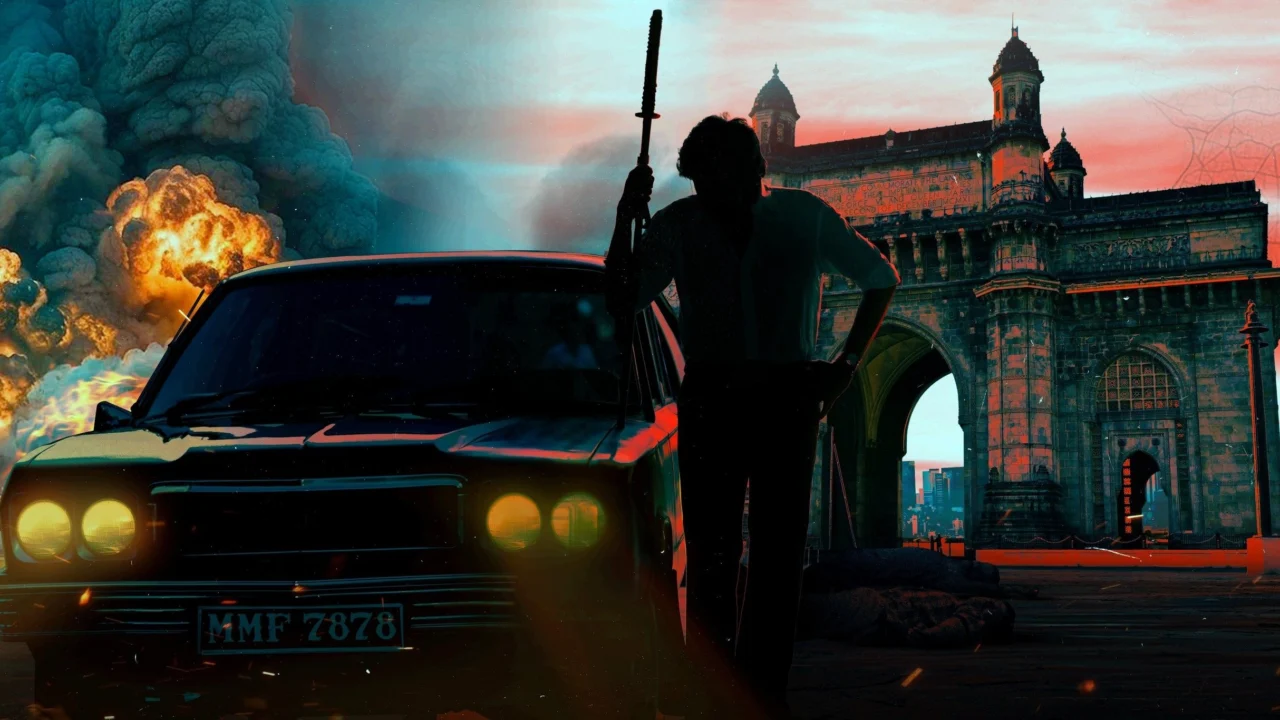
The film plays out like a long night in Mumbai’s underworld: rain, neon, gunfire and old grudges snapping one by one. It isn’t subtle. It isn’t interested in morality lectures. It wants to show you what happens when a man who built an empire by the sword walks back in to decide who still gets to breathe.
Story, world and tone
They Call Him OG picks up after years of silence. Once the most feared name at the docks, OG vanished after a bloody fallout with his own people. In his absence, Omi Bhau rises to power, turning the city’s smuggling, trafficking and extortion into a sleek, tech‑enabled business.
When rumours of OG’s return start to circulate, no one believes them. Then bodies begin to drop in patterns only old‑timers recognise. The film tracks this return as a personal war, not a “comeback” , a man tying off unfinished knots, one rival at a time, while the system that grew in his absence tries to smother him fast.
Tonally, the movie lives in that space between mythology and crime: gangsters talk like they’re quoting scripture, every street corner feels like a battleground, and the city itself is shot like a living, vengeful thing.
Performances and characters
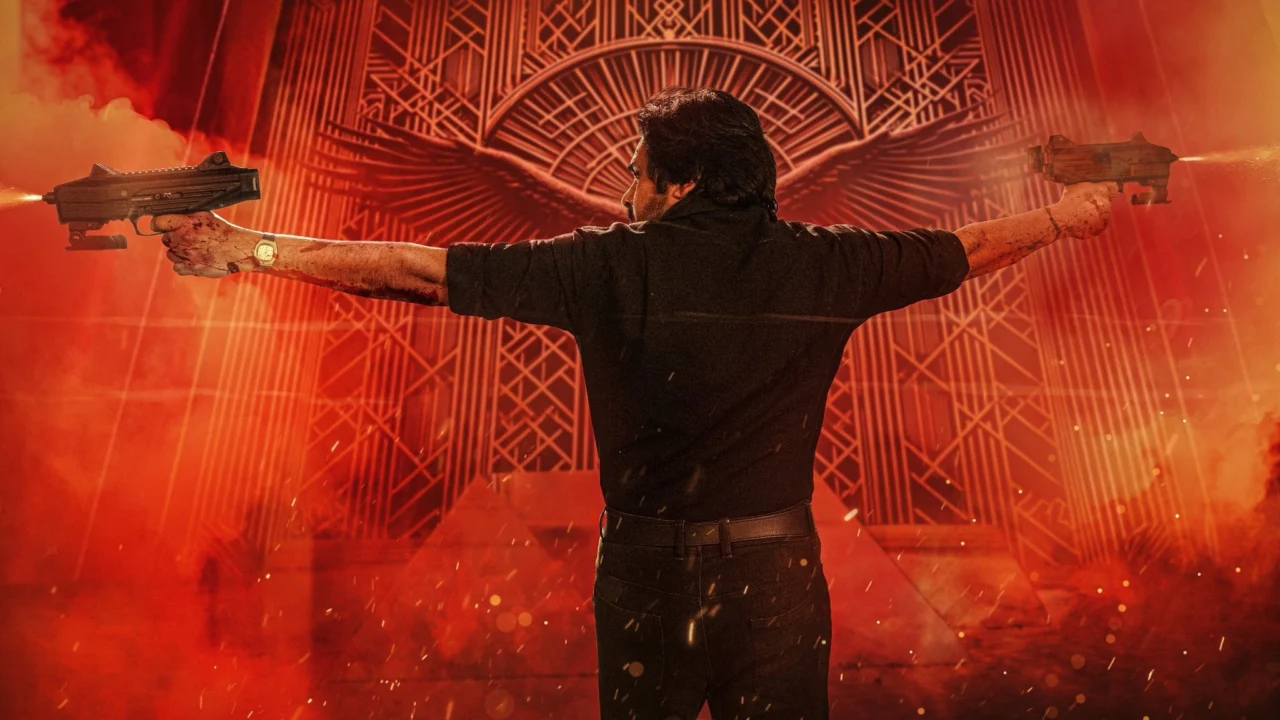
Pawan’s OG is calm, almost frighteningly so. This isn’t a chatty don; he walks into rooms like someone who has already played out all possible outcomes in his head. The performance is built on pauses, sideways glances and short, precise bursts of violence. When he does speak, it’s usually to cut someone down , with a line or a bullet.
Priyanka’s Kanmani is not just the woman he left behind. She’s the one person who’s seen both Ojas the man and OG the myth, and the film uses her to keep reminding you there’s a human cost to every hit he orders. Her scenes are built around small, domestic details , a teacup, a half‑packed bag, an unanswered call , which hit harder against all the noise.
Emraan’s Omi Bhau is styled as the “new India” gangster: sharp suits, boardrooms, encrypted phones and a habit of smiling when he’s planning something unspeakable. He doesn’t shout much, and that restraint makes his cruelty land. The best stretches in the film are when he and OG share the frame, both pretending this is business while planning to erase each other.
Direction, craft and action
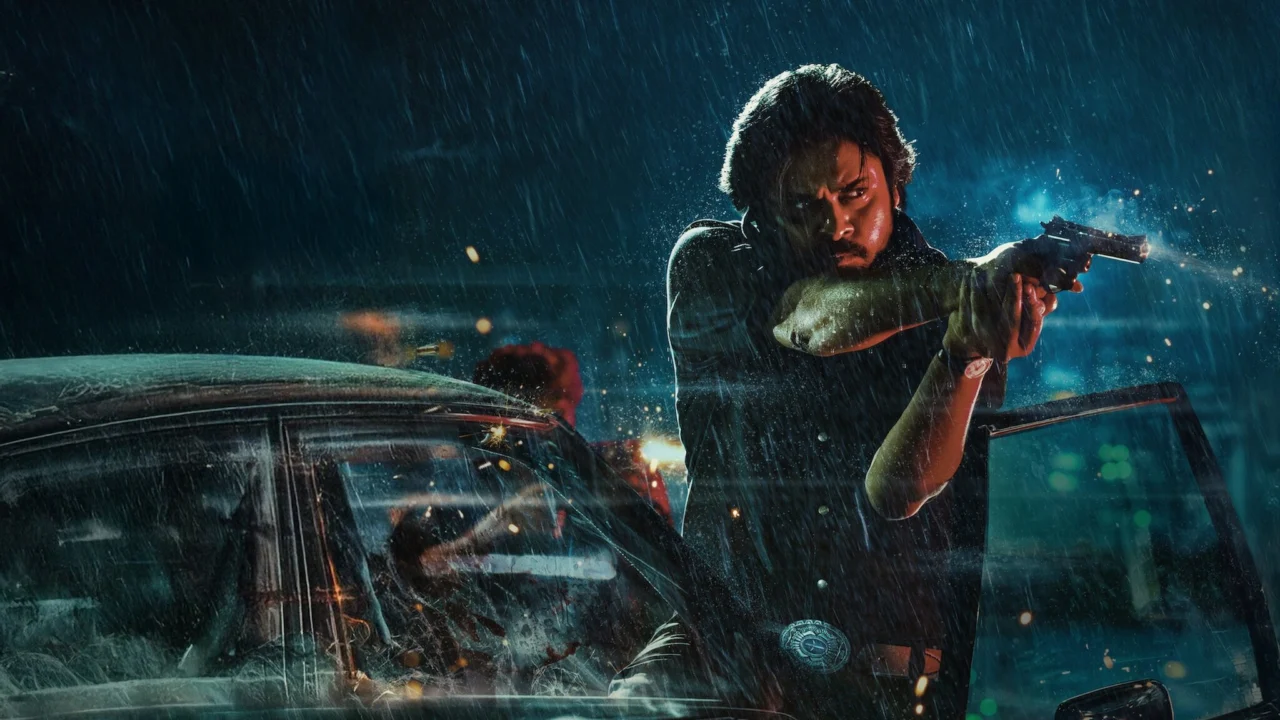
Sujeeth leans fully into stylised carnage. Fights are choreographed as set‑pieces: a dockyard shootout in pouring rain, a cramped train‑yard brawl, a corridor ambush that plays with shadows and strobes. Even when the camera indulges in slow‑motion, you can still track the geography, which keeps the action satisfying instead of messy.
The writing keeps the structure simple , OG arrives, shakes up the hierarchy, draws Omi out, pushes toward a final collision , but layers in side characters and flashbacks to sketch how this world got here. Some of those side tracks work (especially the older lieutenants who now run small shops and want nothing to do with guns), others feel like flavour more than necessity.
Technically, the film is loud and polished: dense sound design, thick bass in the background score, saturated colours and a lot of silhouettes against fire, headlights or city glow. Thaman’s music is built for theatre whistles; the title cue drops like a stamp every time OG decides to stop being patient.
What hits hard
- OG is allowed to be genuinely unsettling. The film doesn’t waste time making him “relatable” – you respect him, you fear him, and only in small flashes do you see the man Kanmani is still grieving.
- Omi Bhau is a worthy opponent. Emraan plays him with enough charm and calculation that their conflict never feels one‑sided.
- The action blocks are clear, kinetic and varied. Each big set‑piece has its own texture instead of feeling like copied‑paste mayhem.
- There’s a constant tension between old‑school loyalty and new‑age business thinking, which keeps the conversations between gangsters more interesting than pure chest‑thumping.
Where it stumbles
The story itself is familiar: old lion returns, young king resists, city bleeds in the crossfire. If you’ve seen a few gangster sagas, you can predict most broad turns. The film’s strength is in how it executes scenes, not in surprising you with where they end up.
Emotional beats between OG and Kanmani sometimes get buried under the need to rush back to the next shootout. You understand what they’ve lost, but the screenplay rarely pauses long enough to really explore it.
And like most mass actioners, the middle stretch sags in places. A couple of songs and side characters could have been trimmed without losing anything vital, which would have made the third act land even harder.
Audience connect and impact
They Call Him OG is built for big screens and packed halls. It thrives on cheers, gasps and that buzz when a theatre collectively knows a punch line or gunshot is about to land. For Pawan’s core audience, this is the full‑course meal: attitude, one‑liners, old‑world honour and unapologetic brutality.
For viewers who care more about tight plotting than hero swagger, it’ll feel like a stylish but familiar ride , fun in the moment, less surprising in hindsight.
Overall verdict
They Call Him OG (2025) is a swaggering, blood‑soaked gangster opera that runs on star power, slick craft and a simple, primal conflict between two very different kinds of criminals. It doesn’t reinvent the genre or chase realism, but it knows exactly what kind of high‑voltage experience it wants to be , and mostly gets there.
If you’re in the mood for a heavy, stylish crime throwdown with a charismatic anti‑hero, it does the job and then some.
Rating: 3.9/5