
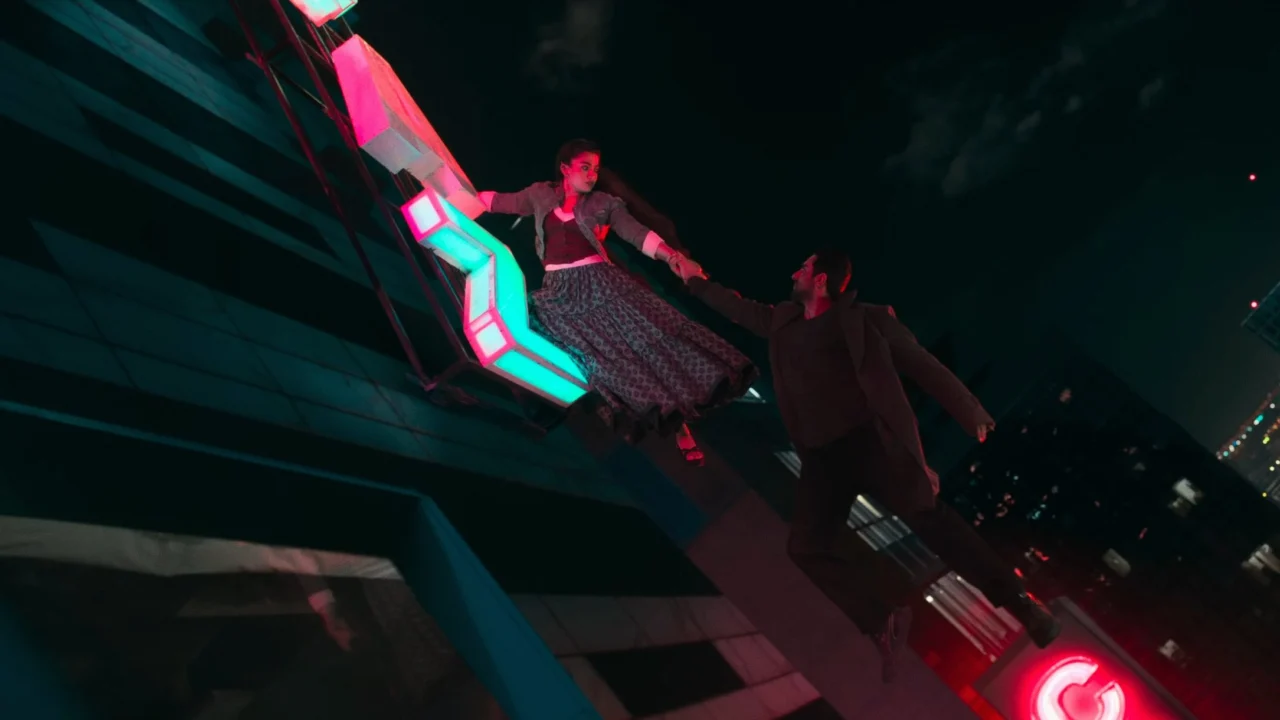
Thamma (2025) Movie ft. Ayushmann, Nawazuddin, and Rashmika
Thamma (2025) is a Hindi horror‑romance from the Maddock horror‑comedy universe, pitched as a bloody love story sitting somewhere between myth, monster movie and mainstream Bollywood drama. Ayushmann Khurrana, Rashmika Mandanna and Nawazuddin Siddiqui lead the cast, with Aditya Sarpotdar directing and Sachin, Jigar doing the music.
The film aims to blend a twisted folklore legend with a very contemporary love story. You get trekking trips, news studios and small‑town family scenes on one side, and a hidden mountain tribe, old curses and blood rituals on the other.
Story, world and core idea
Ayushmann plays Alok Goyal, a TV reporter whose life runs on studio debates, clicky headlines and a carefully curated “rational” image. A weekend trek with friends takes him into the hills, where a bear attack and a storm separate him from the group and drop him into a world he never believed in.
That world is ruled by an ancient clan of beings who live off blood and shadow, led by Nawazuddin’s Yakshasan. Among them is Tadaka, played by Rashmika, who saves Alok, hides him from her own people and slowly falls for the man she should have delivered as prey. The central hook is simple: a creature built to hunt humans falls in love with one, and their bond starts to crack open a carefully kept supernatural order.
Performances and characters
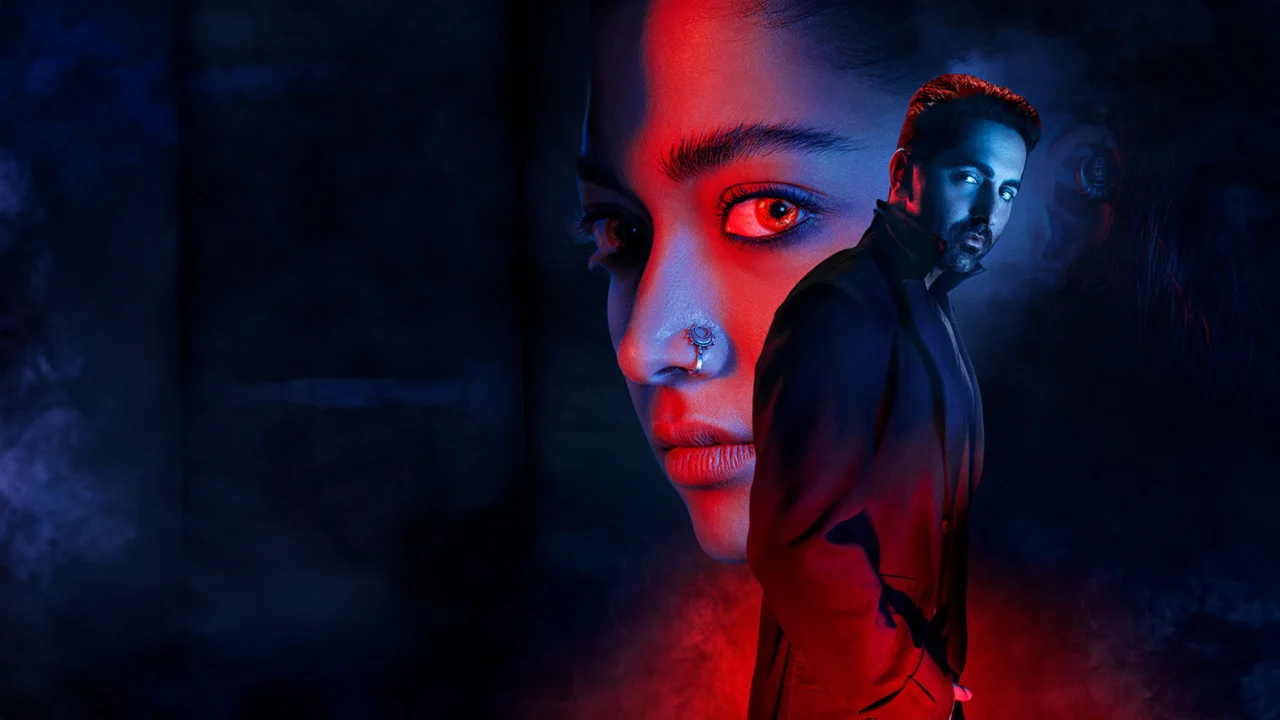
Ayushmann’s Alok is written as a mix of cynic and softie. In the first act, he mocks superstition on TV, rolls his eyes at ghost stories and treats everything like content. Once the supernatural punches through that armour, you see him oscillate between fear, denial and a strange, guilty desire to stay with Tadaka despite knowing what she is.
Rashmika’s Tadaka has to sell two extremes: predatory power and emotional vulnerability. Early scenes underline her physical dominance and non‑human instincts; later portions gradually reveal a woman crushed under tradition and bloodlines, who sees Alok as both danger and escape hatch. Their chemistry works best in the quieter, stolen conversations where folklore, faith and personal longing collide.
Nawazuddin’s Yakshasan is pure scene‑stealer material. He plays the clan leader with a theatrical menace that never tips fully into parody , amused one second, terrifying the next. He’s less a jump‑scare villain and more a walking reminder of what happens when old gods refuse to make space for new choices.
Direction, writing and mood
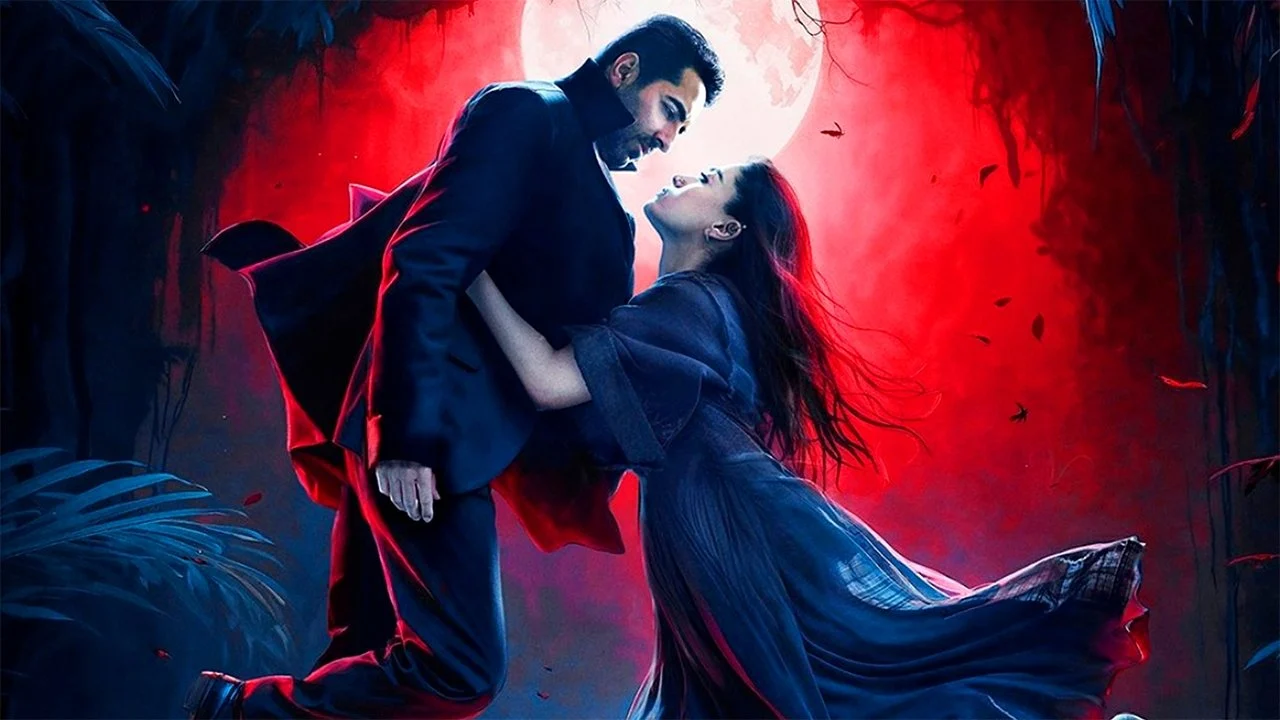
Sarpotdar keeps Thamma moving like a genre carousel. One moment you’re in a rom‑com zone with awkward flirting and parents commenting from the next room; the next you’re in mist‑soaked forests with bodies hanging from trees and chants echoing in the dark. The tone keeps shifting, but there’s a clear attempt to hold it together with the central relationship.
Writing‑wise, the film leans on metaphor. The vampire “infection” is a stand‑in for generational baggage, patriarchy, even online outrage , forces that change people into something else and then punish them for wanting normal love. Some of these ideas land cleanly; others sit in the background, more suggestion than fully developed statement.
Visually, Thamma goes for deep blues, reds and shadowy compositions once it enters the clan’s territory. There are a few show‑off shots , mid‑air leaps, slow‑motion reveals, burning eyes , but the more effective moments are smaller: blood swirling in water, reflections that don’t match reality, a family dining table where one person doesn’t eat.
What works
- The central romance has genuine tension. You’re never fully sure if Alok is safe with Tadaka, or if love is just delaying the inevitable.
- Ayushmann and Rashmika are well‑matched; he brings grounded awkwardness, she brings a slightly off‑centre energy that fits a non‑human character trying to act “normal”.
- Nawazuddin gets a proper, meaty antagonist part and clearly enjoys it, giving the film a jolt every time he appears.
- As a horror‑romance, it takes its love story seriously instead of treating it like a joke between scares, which gives the emotional beats some weight.
Where it slips
Thamma still carries some of the usual problems of the horror‑comedy universe. The comedy portions don’t always sit smoothly next to the darker horror scenes; a few gags feel like they wandered in from a different film and stayed too long.
The pacing is also uneven. The trek setup, Alok’s home life and the early romance stretch a bit before the plot really kicks into gear. Then, in the final act, multiple reveals and confrontations pile up quickly, and emotional payoffs sometimes get squeezed by the need to wrap everything within the Diwali blockbuster mould.
On the horror front, you get atmosphere and a couple of sharp moments, but this isn’t the kind of film that will genuinely terrify hardened genre fans. It’s more about mood and metaphor than about inventing new nightmares.
Audience connect and universe fit
For Maddock’s horror‑comedy universe loyalists, Thamma is an interesting side step: less jokey than some earlier entries, more committed to tragic romance. There are Easter eggs and tiny links to other films, but it mostly stands on its own.
For general Bollywood viewers, the draw is the cast and the Diwali release slot. As a festival watch, it offers songs, drama, a love story, supernatural spectacle and some sharp lines , enough for a big‑screen outing if you’re not demanding airtight writing.
Overall verdict
Thamma (2025) is an ambitious but uneven horror‑romance that thrives on its cast and central idea more than on flawless execution. When it leans into the doomed love between Alok and Tadaka, it feels fresh for mainstream Hindi cinema; when it falls back on generic gags and rushed explanations, you can see the seams.
If you like the horror‑comedy universe and want something a shade darker and more emotional than usual, it’s worth a watch. Just don’t go in expecting a reinvention of either horror or romance , this is a stylish, sometimes thoughtful, sometimes messy middle ground.
Rating: 3.7/5