

Tere Ishk Mein (2025) Movie ft. Dhanush, Priyanshu, and Kriti
Tere Ishk Mein (2025) is a Hindi romantic drama that treats love like a fever rather than a comfort blanket. Dhanush leads as Shankar, opposite Kriti Sanon’s Mukti, with Priyanshu Painyuli stepping in as the quiet disruptor who refuses to let “deewangi” pass as destiny.
Aanand L. Rai brings back his small‑town‑meets‑emotional‑meltdown template, but shifts the centre to Varanasi and the chaos inside two people who want completely different things from life and from each other. The result is a love story that feels intimate, messy and often deeply uncomfortable.
Story, backdrop and tone
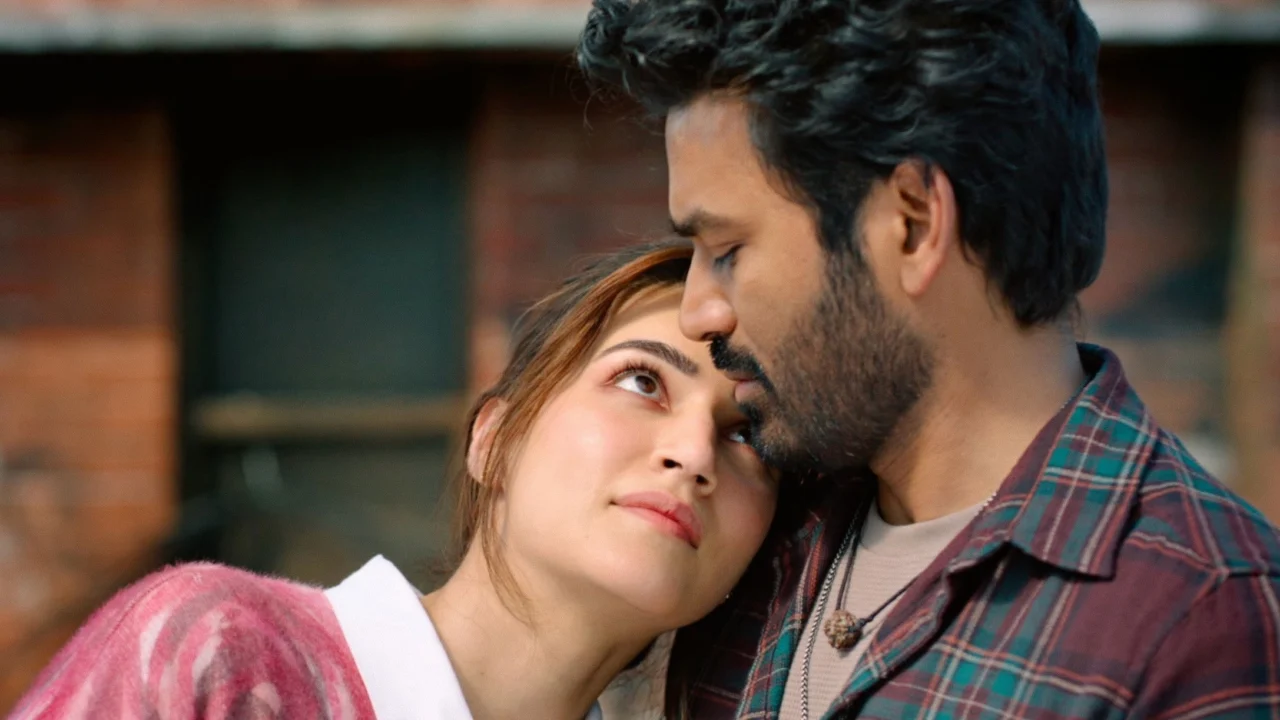
Shankar starts as the classic engineering‑college backbencher in Benaras , sharp, restless and permanently half a step away from a fight. Mukti walks into his world with a very different energy: ambitious, politically aware and determined to leave the old city for something bigger.
Their connection builds through small acts: campus theatre rehearsals, shared auto rides, rooftop conversations about dreams and parents. The twist is simple and brutal , when it’s time to choose, Mukti picks her career and a stable partner in Aditya (Priyanshu), leaving Shankar to either grow up or implode.
The film refuses to soften what happens next. Shankar’s heartbreak doesn’t turn him into a poetic hero; it pushes him towards obsession, bad decisions and violence. The tone stays charged: songs bleed straight into confrontations, and the camera keeps finding him at his worst, not his prettiest.
Performances and characters
Dhanush gets another emotionally loaded outsider in Hindi, but Shankar isn’t just a Raanjhanaa repeat. There is less boyish charm and more raw nerve. He’s often unlikeable , sulking, lashing out, picking fights , yet you can’t look away because the performance stays honest about how ugly heartbreak can get.
Kriti’s Mukti is the one with real agency. She doesn’t exist to validate Shankar’s feelings, and the script lets her say “no” clearly, more than once. Kriti plays her as someone torn between guilt and self‑preservation: she knows his love is genuine, but she also recognises that it’s not healthy, and that clarity becomes her backbone.
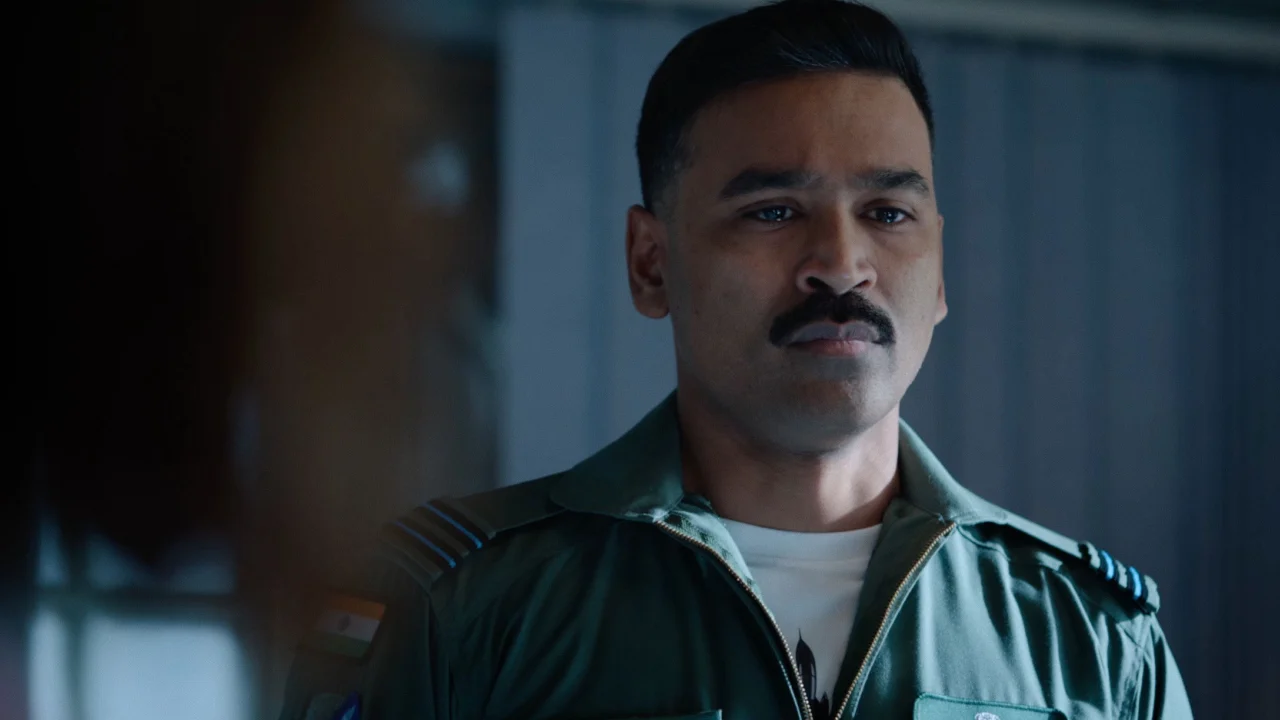
Priyanshu’s Aditya is not written as a comic relief or cardboard villain. He’s the guy who does the basic things right , listens, shows up, respects boundaries , which is exactly why Shankar hates him. Priyanshu keeps the character grounded, making it painfully obvious that stability, not drama, is what Mukti actually needs.
Direction, writing and music
Rai leans into heightened emotion but avoids turning everything into a fairy tale. The writing by Himanshu Sharma and Neeraj Yadav gives Shankar sharp, sometimes uncomfortable lines that expose his entitlement as much as his pain. Mukti’s dialogues are cleaner, straighter , she doesn’t play games with words, and the contrast says a lot.
The first half is almost deceptively charming: campus humour, AR Rahman’s lush tracks, warm lighting and crowded Benaras streets. The second half strips that comfort away. The frames get tighter, nights get heavier, and the same ghats that felt romantic begin to look suffocating.
Rahman’s music is a huge part of the film’s pull. The title song “Tere Ishk Mein” hits every big emotion, while tracks like “Usey Kehna” and “Chinnaware” do quieter work, filling in the spaces where characters don’t have the courage to say what they feel. The background score keeps the tension humming even when nothing explosive is happening on screen.
What the film nails
- It never fully endorses Shankar’s behaviour. You understand him, sometimes empathise with him, but the film clearly shows the damage he causes.
- Mukti is allowed to be flawed and firm at the same time. She makes choices that hurt people, including herself, but the narrative still respects her right to choose.
- The dynamic between Shankar and Aditya is handled smartly: no cartoonish rivalry, just an awkward, simmering dislike between two very different men connected to the same woman.
- Benaras feels like a real, living character – noisy, cramped, spiritual and petty, all at once – rather than just a postcard backdrop.
Where it falls short
Tere Ishk Mein runs long and occasionally circles the same emotional beats. There are stretches in the second half where Shankar’s spiralling feels repetitive, as if the film is afraid to move him forward too quickly.
Some side characters , friends, family members, local politicians , hint at subplots that never fully develop. They add texture but sometimes pull focus without payoff, especially around the social‑issue threads that brush against the main story.
And the climax, while emotionally satisfying for some, may feel too dramatic for others. The film chooses a big, symbolic resolution instead of a quieter, more grounded one, which might divide viewers who were hoping for a more realistic landing.
Audience connect and impact
For audiences who miss intense, borderline‑toxic love stories that don’t pretend to be cute, Tere Ishk Mein will hit hard. It invites debate: was Shankar ever truly in love, or just obsessed? Did Mukti handle things the best she could, or did she dodge accountability? That conversation is built into the design.
Viewers who are tired of romanticising self‑destructive behaviour might find the film frustrating, but even then, there’s value in how clearly it lays out the red flags. It doesn’t hide the bruises under soft lighting.
Overall verdict
Tere Ishk Mein (2025) is a flawed, fiery love story that leans into the chaos of heartbreak instead of pretending love only heals. Dhanush and Kriti carry it with performances that feel lived‑in, while Priyanshu quietly undercuts the idea that drama is the only proof of passion.
It’s not the easiest watch, and it won’t work for everyone, but it has a pulse and personality that are hard to ignore.
Rating: 3.8/5