
Border 2 (2026): Sunny Deol Roars, But Can This War Epic Match the 1997 Classic?
When I walked into the theater for Border 2, I carried decades of memories from the 1997 original. That film wasn’t just a movie – it became part of our cultural DNA. So naturally, I had mixed feelings about this sequel directed by Anurag Singh. Would it honor the legacy or simply cash in on nostalgia? After watching Sunny Deol, Varun Dhawan, Diljit Dosanjh, and Ahan Shetty on screen for over three hours, I have answers.
This film takes us back to 1971, the year India and Pakistan went to war. Unlike the original that focused mainly on the army’s Battle of Longewala, this version spreads its wings across all three military branches. We get air force dogfights, navy battles at sea, and ground combat. It’s bigger in scope, but I wonder if that’s always better.
Three Friends, Three Battlefronts
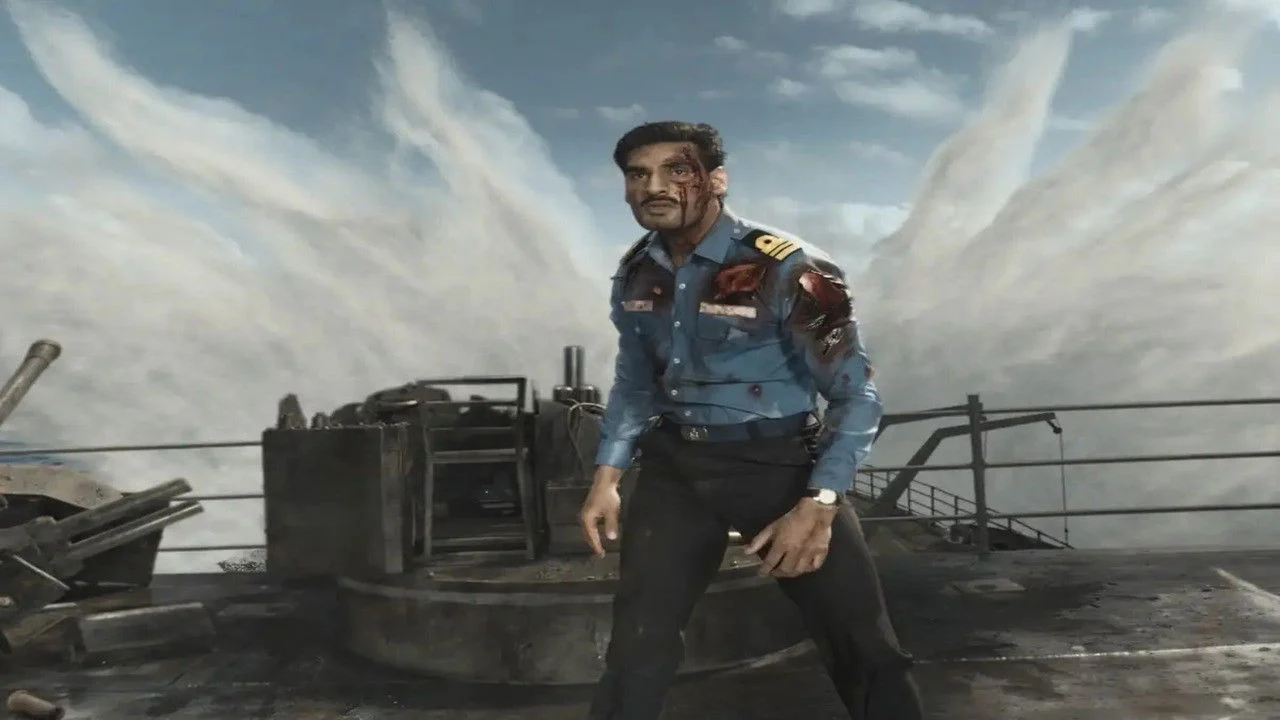
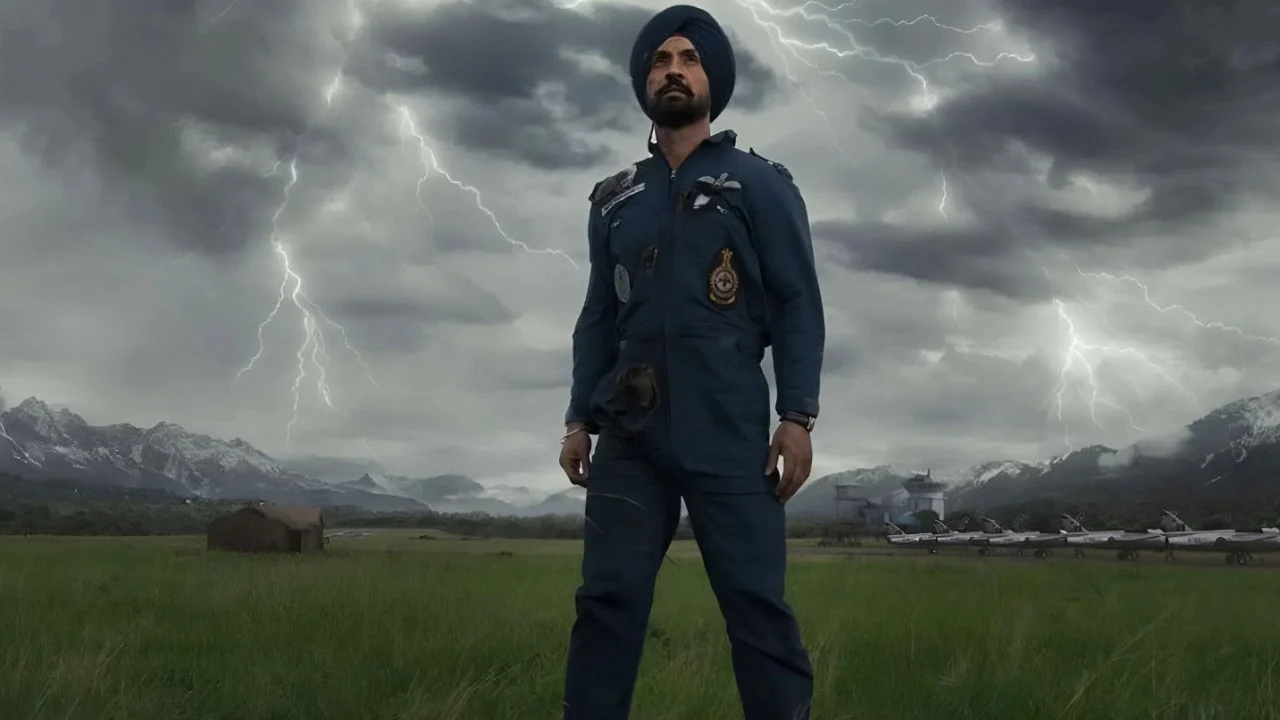
The story begins at a wedding. Diljit Dosanjh plays Flying Officer Nirmal Jit Singh Sekhon, an air force pilot marrying his sweetheart Manjit (played by Sonam Bajwa). His buddies from military academy show up – Varun Dhawan as army Major Hoshiar Singh Dahiya and Ahan Shetty as navy officer Lt Cdr Mahendra S Rawat. Their celebration gets interrupted when orders arrive.
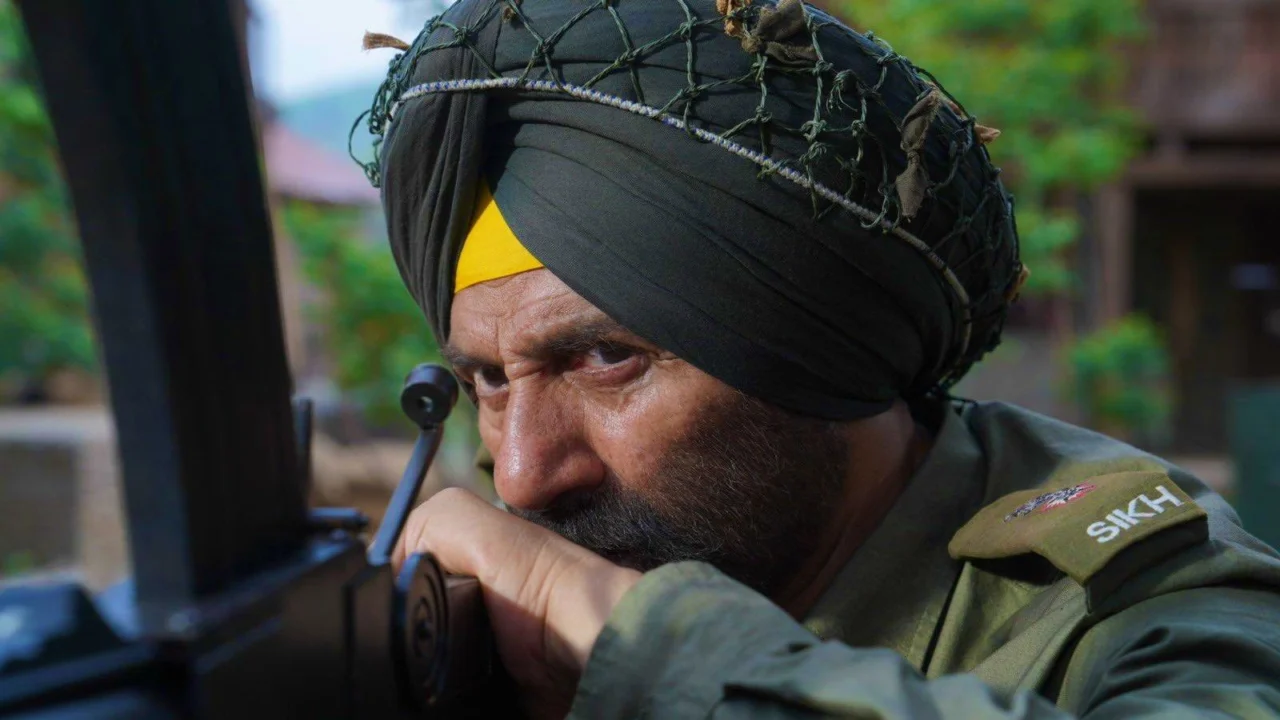
War has begun. Each friend rushes to his duty station. Varun heads to the Jammu sector with his battalion. Diljit flies back to his Srinagar air base. Ahan boards a warship in Gujarat waters. Meanwhile, Sunny Deol appears as Lt Col Fateh Singh Kaler, the tough instructor who trained all three men years earlier. He’s now defending a critical position in Jammu with limited troops.
The film jumps between these characters as each faces the enemy on different fronts. It’s an ambitious structure that tries to show how our forces worked together during that conflict. Sometimes this approach works. Other times, it feels scattered.
When the Film Truly Shines
I’ll say this upfront – Sunny Deol carries this film on his shoulders. He doesn’t just play an army officer; he inhabits the role completely. There’s a scene where he learns about casualties among his men, and the pain in his eyes felt absolutely real to me. At his age, delivering this level of emotional intensity is remarkable. Every time he appeared on screen, the film gained weight and purpose.
Varun Dhawan genuinely surprised me here. Before release, people mocked him online for smiling in the promotional song. But his actual performance shut down those critics. He plays Major Hoshiar with sincerity and restraint. I saw a young officer torn between duty and fear, hope and grief. Varun brought layers to this character that I didn’t expect. His scenes with his wife particularly moved me.
Diljit Dosanjh brings charisma to the role of the air force hero. The real PVC Nirmaljit Singh Sekhon was a legendary figure, and Diljit honors that memory. Though I felt he could have gone deeper emotionally in certain moments, his flying sequences thrilled me completely. Watching those aerial battles on the big screen reminded me why theaters still matter.
The climax deserves special mention. When all elements – action, emotion, music – come together in those final 20 minutes, I felt my heart racing. The intermission point also packed a punch that had people in my theater clapping. These mass moments work because the film builds to them properly.
The Music That Connects Generations
Music became an emotional bridge for me. The reimagined Ghar Kab Aaoge brought back floods of memories. The original Sandese Aate Hai remains one of our most beloved patriotic songs. This new version by Anu Malik and team respects the soul of that track while giving it fresh energy. I won’t lie – I got emotional when it played during a crucial scene.
Mithoon, Sachet-Parampara, and Vishal Mishra contributed other songs that blend well with the narrative. Jaate Hue Lamhon touched me during a farewell sequence. Hindustan Meri Jaan stirred pride. The background score elevated battle scenes effectively.
What I appreciated most was the film’s treatment of soldiers as complete human beings. They’re not superhuman fighters. They’re sons, husbands, friends who feel fear and pain. When that aspect comes through clearly, the film resonates on a deeper level.
Where Things Go Wrong
Now comes the difficult part. Despite strong performances and emotional highs, Border 2 stumbles badly in several areas. The biggest problem? The story itself feels weak. I kept waiting for that tight narrative drive that made the original so gripping. It never quite arrived.
Three hours and seventeen minutes is simply too long. The first half spends considerable time establishing the friendship between Diljit, Varun, and Ahan during their training days. While this builds emotional investment, the pacing drags. I checked my watch multiple times. By the second half, when the actual war begins, I felt exhausted before the battles even started.
The middle portion particularly tested my patience. The film tries to balance three parallel storylines – army, air force, navy. But not all threads get equal attention or development. Ahan Shetty’s navy officer barely gets meaningful screen time. His character arc feels incomplete, like an afterthought.
Historical Issues That Bothered Me
As someone who reads military history, certain inaccuracies stood out glaringly. I noticed Pakistani soldiers carrying AK-47 rifles throughout the film. But Pakistan’s standard rifle in 1971 was the Heckler & Koch G3, not the AK-47. This might seem like a minor detail to casual viewers, but it breaks authenticity for anyone familiar with that era’s weapons.
The film takes major liberties with how events unfolded. The portrayal of PVC Nirmaljit Singh Sekhon’s story felt over-dramatized to me. This real hero deserves better than being turned into a masala movie character. The naval sequences also didn’t match what actually happened during that conflict. For a film claiming to honor real warriors, such departures from truth disappointed me deeply.
The original Border worked because it felt grounded. Director JP Dutta clearly did extensive research. He showed warfare with gritty realism. This sequel opts for spectacle over authenticity. Characters make grand speeches when they should be focused on survival. Soldiers break into song moments after being attacked. These choices pull me out of the experience completely.
Technical Letdowns
The visual effects quality varies wildly. Ground battle sequences look decent enough. But the naval warfare scenes suffer from poor VFX work. The warship looks fake, moving in ways that defy basic physics. For such a big-budget film, these technical failures shocked me. I expected polish, especially in 2026.
The tone shifts awkwardly too. One moment we’re watching grim combat. The next, there’s romance or comedy inserted. The original balanced emotion with restraint beautifully. This film can’t decide what it wants to be. Is it a serious war drama? A patriotic entertainer? A friendship story? It tries being everything and masters nothing.
What Critics and Audiences Say
Trade analyst Taran Adarsh loved the film completely, giving it 4.5 out of 5 stars. He called it a thunderous, emotionally charged war epic. Bollywood Hungama matched that rating, praising performances and action while noting VFX weaknesses and length issues.
Mainstream critics showed more restraint. Hindustan Times gave 3.5 out of 5, acknowledging the film’s sincerity while pointing out its excesses. The Times of India rated it 3 out of 5, calling it solid but not groundbreaking. NDTV also went with 3 stars, noting how the film walks a difficult line with its patriotic themes in today’s climate.
Regular audiences seem divided based on what they expected. Those wanting a big-screen patriotic spectacle generally left satisfied. The theatrical experience – booming sound, large visuals, crowd energy – definitely enhanced enjoyment. I saw people wiping tears during emotional scenes. The early shows were packed, which speaks to the film’s pull.
However, fans of the 1997 classic mostly felt let down. They remember that film’s authenticity, its quiet power, its respect for soldiers’ real experiences. This sequel’s loud approach doesn’t match those memories. It’s watchable, sometimes engaging, clearly well-intentioned. But insufficient for the legacy it carries.
The film crossed 400 crore rupees worldwide in its initial weeks, showing commercial success. But collections dropped sharply after the opening weekend. Competing releases and mixed word-of-mouth affected its run.
My Honest Assessment
Border 2 is a film split down the middle. On one side, you have Sunny Deol’s powerful performance and moments of genuine emotion. You have production values showing clear investment. You have sincere intentions to honor our armed forces. The film’s heart beats in the right place.
On the other side, you have a weak script, excessive length, and tonal confusion. You have historical inaccuracies and over-dramatization. You have technical issues that shouldn’t exist in a major production. You have the weight of an impossible legacy that this film can’t quite carry.
I wanted to love Border 2. I really did. Instead, I found myself respecting the effort while feeling disappointed by the result. It’s not a terrible film by any measure. Sunny Deol alone makes it worth watching for his fans. Some battle sequences deliver the thrills expected. The music connects emotionally.
But a sequel to one of our greatest war films needed to be more than just adequate. It needed that same commitment to authenticity, that same understanding of restraint, that same respect for reality over spectacle. The 1997 Border achieved something rare – it made you feel the cost of war while celebrating the courage of those who fight. This film makes you feel entertained, sometimes moved, occasionally inspired. But it doesn’t dig as deep. It doesn’t leave the same lasting impact.
For anyone seeking a patriotic film to watch with family during a holiday weekend, Border 2 serves that purpose fine. It will stir feelings of national pride. It will make you appreciate our soldiers’ sacrifices. It provides mass entertainment on a large canvas. Go watch it in theaters if that appeals to you.
For those hoping this would stand alongside the original as a classic of Hindi war cinema, prepare for disappointment. This film reminds us that legacy cannot be inherited through star power and budget alone. True greatness requires soul, craft, and unwavering commitment to truth. Border 2 has flashes of all three. But only flashes.
Rating: 3.5/5