Main Vaapas Aaunga (2026): Imtiaz Ali’s Romantic Drama Delivers Longing Across Borders


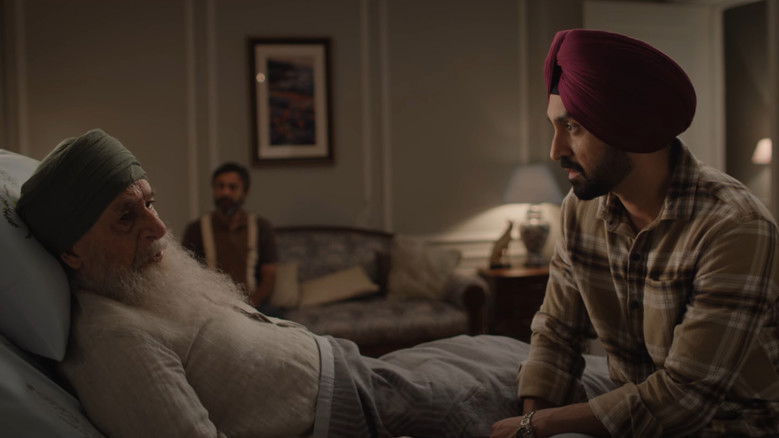
On a deathbed in present-day India, a 95-year-old man with dementia whispers two words through a stroke-slurred voice: “Sargodha” and “Main vaapas aaunga.” In that single, fragile moment, Imtiaz Ali announces the emotional geography of his latest film, a romantic drama where the protagonist’s obsession with returning to a lost home in Pakistan becomes both a poetic anchor and a narrative weight that sometimes strains under its own ambition.
Naseeruddin Shah: The Inhabitable Performance
Shah delivers a remarkable study of dementia without a single theatrical flourish. On the deathbed, his face registers confusion and grief through muscle twitches and unfocused eyes, not through dialogue. The scene where he mutters “Sargodha” repeatedly conveys decades of displacement more powerfully than any monologue could. This is a performance built on restraint, not volume.
His Ishar Singh Grewal is not a grand old man delivering wisdom; he is a broken vessel of memories, and Shah makes every pause count. The actor ensures the film’s emotional core never feels manufactured, even when the screenplay leans on predictability.
When Imtiaz Ali’s Romance Meets History’s Brutality
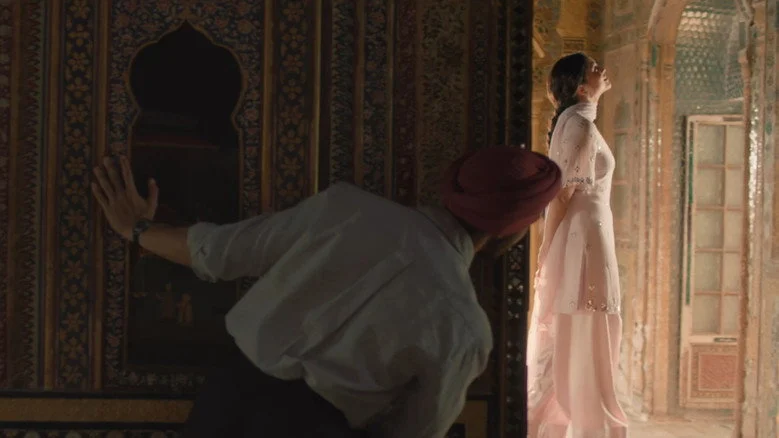
The flashback sequences in pre-Partition Punjab are where Ali reminds you why he remains a significant romantic storyteller. The first meeting between Young Ishar (Vedang Raina) and Afsana (Sharvari) is built on stolen glances and unspoken desire, a signature Ali rhythm that lands perfectly. A.R. Rahman’s background score, melancholic yet warm, amplifies every unspoken beat.
But the non-linear timeline isn’t always kind. The transition between present-day hospital rooms and 1947 sunflower fields feels abrupt in the first hour, as if the editor decided to cut before the audience caught its breath. One moment you’re immersed in period textures; the next you’re back in a sterile room, and the whiplash hurts.
The Partition sequence itself, the chaos of trains, the screams, the forced separation, is visually intense and emotionally devastating. Ali doesn’t sensationalize the violence; he frames it through personal loss, making the historical tragedy intimate. Yet the 2-hour-46-minute runtime tests patience. The first half drags, spending too much time establishing what we already understand: that Ishar is trapped between two timelines.
Vedang Raina and Sharvari Carry the Past’s Weight
Raina plays Young Ishar with the earnestness of a man who believes love can outrun history. His turbaned Sardarji look is authentic, and his chemistry with Sharvari feels lived-in, not performed. In their separation scene, his face crumples with the realization that a promise may not be enough, it’s the film’s most emotionally accurate moment.
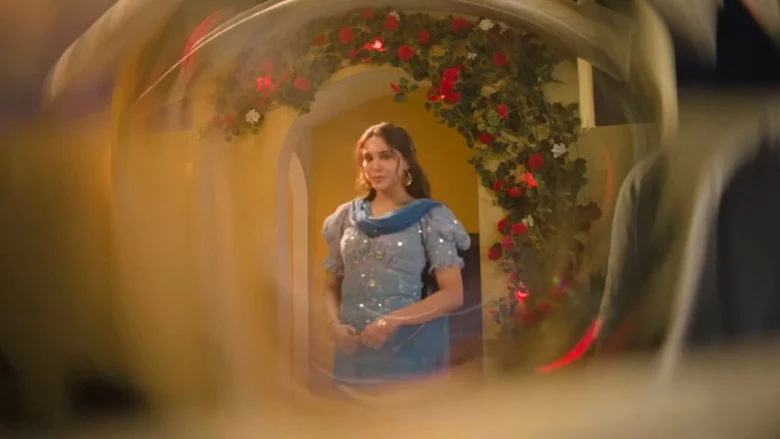
Sharvari’s Afsana is given fewer lines but more presence. Her eyes do the heavy lifting, especially in the flashback scenes where she waits at a window, watching a road that will never bring him back. This is a performance of quiet resilience, and it grounds the romance in something real.
Sayani Gupta appears in a supporting role, though her character remains thinly sketched, a missed opportunity to add female perspectives beyond the central love story.
Diljit Dosanjh, as grandson Nirvair, brings warmth and a contemporary energy that balances the film’s grief-heavy past. His scenes with Shah, particularly where he tries to decode his grandfather’s ramblings, are tender without becoming saccharine.
Audience Reception and the Longing for Closure
With an 85% positive social media sentiment and a 92% Rotten Tomatoes score, the film has clearly connected with viewers who value emotional weight over pacing efficiency. One audience member described the Partition flashback as “unbearably real, ” while another noted that the ending is “too sad to watch again.” The film’s length remains the most common complaint, several viewers admitted they couldn’t finish it in one sitting.
For a story about waiting, the final revelation, that Afsana died ten years ago, having spent her entire life waiting, is poignant but follows a familiar narrative arc. The film earns its tears, but it earns them the old-fashioned way, without surprises. I felt the emotional payoff land, even as I wished for a less predictable route to get there.
If you are a fan of Telugu action reviews or prefer narratives that move faster than memory, this might feel too deliberate. But for those who value atmosphere, performance, and a director returning to his roots, the journey is worth the runtime.
Hindi Drama reviews for similar storytelling.
The Verdict: A Slow, Beautiful Burn
Watch it in a quiet theater, preferably in IMAX for the Partition sequence’s visual scale, and accept that the first hour is a warm-up for the knockout punch that arrives in the final act. This is not a film for those impatient with grief; it is a film for those who understand that some promises are worth a lifetime of waiting.
Main Vaapas Aaunga earns its melancholy honestly, delivering a 3.5 out of 5, a romantic drama that remembers what longing sounds like, even if it takes a little too long to say it.
For a sharper contrast in romantic storytelling, explore Cocktail 2 review.
If you prefer love stories where sight becomes a supernatural burden, try Naina verdict.