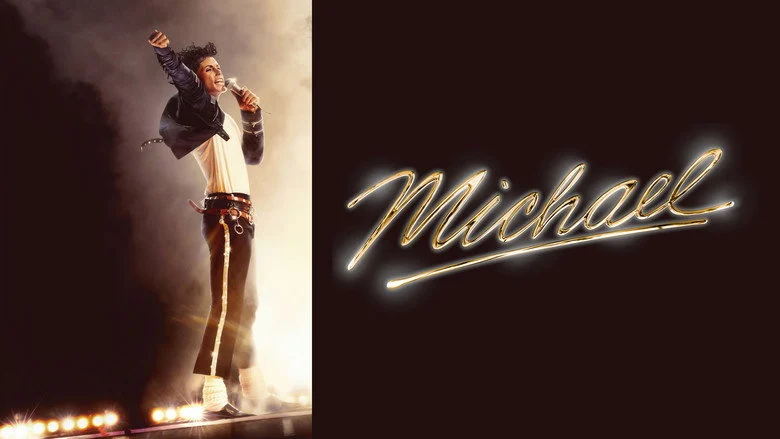
Michael (2026): Jaafar Jackson’s Biopic Gamble Against Studio Convention


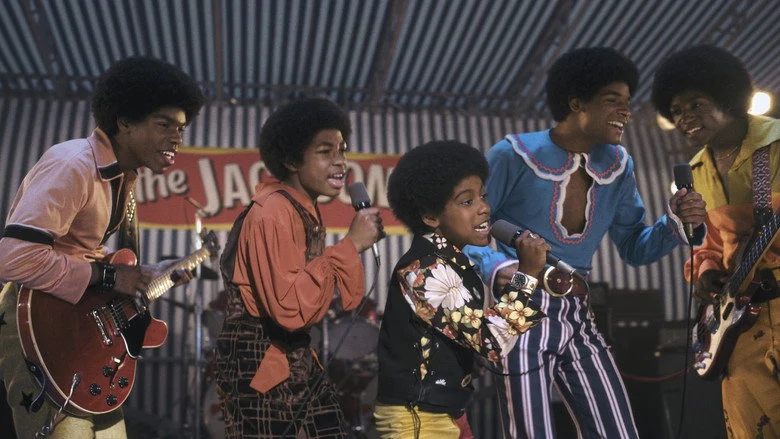
The Jackson 5 burst onto a family stage, and a young boy with an extraordinary gift emerges from the chaos of showbusiness ambition. Michael follows this origin story forward through decades of solo artistry, framing the King of Pop’s ascent as both a triumph of talent and a crucible of personal cost.
Antoine Fuqua’s latest effort is a $155-million studio bet on whether performance spectacle can carry a biopic about one of music’s most complicated legacies, and whether audiences will settle for a film that skates past the controversy entirely.
Jaafar Jackson’s Inheritance Problem in His Film Debut
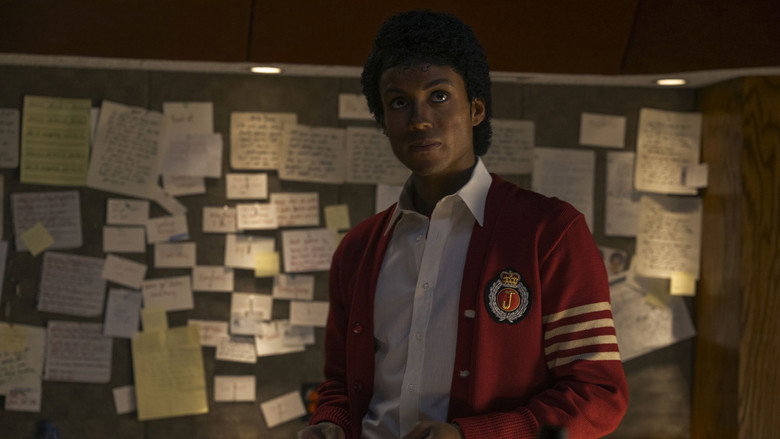
The lead role demands Jaafar Jackson to embody his uncle’s journey from child performer to global superstar without the burden of historical responsibility. Jackson carries the early Jackson 5 material and the early solo career sequences with a physical resemblance that the marketing leans on heavily, but the role itself remains largely a vessel for performance recreation rather than psychological exploration.
His task is essentially to stand in the frame while the film around him celebrates musicianship and stage presence. Whether that’s enough depends entirely on how much you came to see Michael Jackson the performer versus Michael Jackson the human.
Fuqua’s Direction Trapped Between Spectacle and Biography
The filmmaker known for action precision and character-driven narratives here settles into conventional biopic machinery, a linear march from humble origins through career milestones toward the Bad-era apex. His strength lies in staging large-format concert sequences across IMAX presentation, but that strength becomes the film’s limitation.
The screenplay by John Logan, meanwhile, avoids the contradictions and controversies that define Jackson’s actual legacy, instead building a sanitized rise narrative that feels structurally airtight and emotionally hollow. Deep Focus Review awarded the film one star, expressing skepticism about whether a realistic portrait of Jackson can exist within this format at all, a damning verdict that hints at structural problems no amount of spectacle can solve.
Performance Sequences Cannot Substitute for Dramatic Depth
The film’s core appeal lies in its recreation of early solo performances and the Bad tour material, moments that let the visuals do narrative work. Fuqua frames these sequences with scale and production value, using the IMAX canvas to render stage presence as cinematic drama.
Yet performance recreation, no matter how faithfully executed, remains museum work rather than storytelling. The film shows us what Jackson did on stage but resists interrogating who he was off it, leaving a gap between spectacle and substance that grows wider as the runtime extends.
The family pressures anchoring the middle section, Joe Jackson’s demand, Katherine Jackson’s concern, the machinery of fame itself, are present as themes but never deepened into scenes that breathe or conflict that matters. The film tells us Michael Jackson’s story moved beyond the music, but the film itself never demonstrates how.
Explore more perspectives on English-language film through our English Drama reviews archive.
Colman Domingo and Nia Long Ground the Family Framework
Colman Domingo as Joe Jackson carries the weight of parental authority and industry pressure, though the character remains largely a device rather than a fully realized antagonist. His scenes with young Michael suggest family tension, but the film never lets that tension breathe into actual drama, preferring to move forward through the biopic checklist.
Nia Long as Katherine Jackson anchors the emotional backbone the film attempts to build, serving as the domestic counterweight to ambition. Miles Teller’s John Branca functions as the business-world representative, a professional witness to Jackson’s rise, though his presence registers more as structural obligation than meaningful character relationship.
The Sanitization of Legacy as the Film’s Central Evasion
Audiences approaching this film carry expectations shaped by decades of Jackson discourse, the music, the allegations, the cultural dominance, the mystery. The film acknowledges none of this, instead positioning itself as a pure story of artistic ascent and family origin.
Some viewers will find that narrowness refreshing; others will experience it as evasion. The critical consensus already leans toward the latter, with skepticism about whether a standard biopic can responsibly contain Jackson’s life without either sensationalizing controversy or erasing it entirely. The film chooses erasure, which is a choice, but not an artistically courageous one.
This is fundamentally a film for audiences seeking performance recreation and inspiring-origin-story beats without the friction of complication. If that describes your mood, the IMAX presentation and Jaafar Jackson’s family resemblance will deliver surface-level satisfaction. If you need your biopics to grapple with actual human contradiction, you’ll watch this once and forget it just as quickly. The film is competent spectacle built on an unsustainable foundation, major studio money in service of a fundamentally incomplete portrait.
Compare this biopic’s handling of performance spectacle with the character-driven approach in Rock 2026 review.
Michael earns a solid 2.5 out of 5 for technical execution and cast commitment, but cannot overcome the structural emptiness at its core.
For similar thematic exploration of fame and artistic legacy, explore Dose 2026 verdict.