Baby Do Die Do (2026): The First Murder stands out while the narrative loses grip


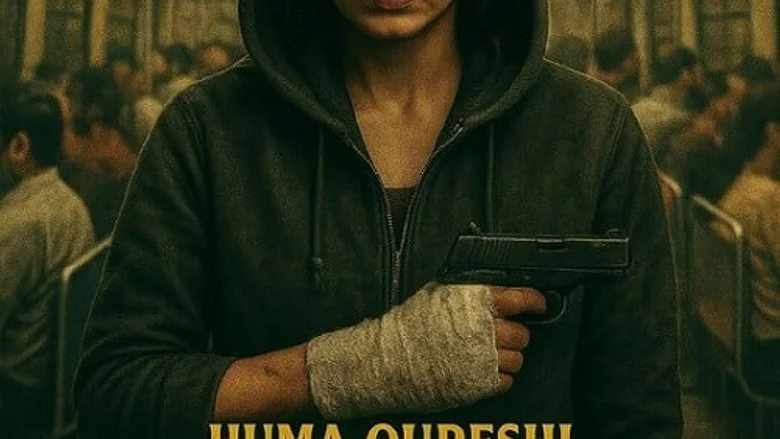
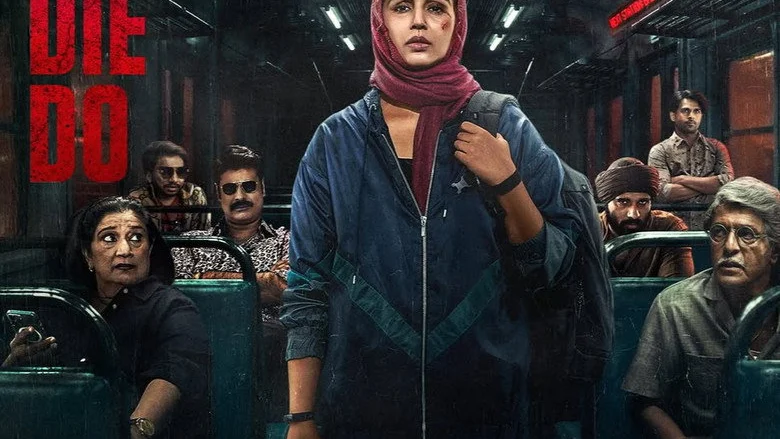
Huma Qureshi holds a knife, her eyes wide yet hollow, as her character Baby commits her first kill. The scene is rendered almost entirely without dialogue, relying on the actor’s precise facial micro-expressions and the haunting echo of a dead sister’s voice on the soundtrack.
It’s a brutal, intimate sequence that immediately establishes Baby Do Die Do as a playground for a performer, not just a genre piece.
Baby: Qureshi’s Physical and Emotional Tightrope
This is Qureshi’s film, and she carries its entire weight on her shoulders. Her portrayal of a deaf-mute assassin in Mumbai is a study in controlled physicality, every gesture is deliberate, every glance a silent negotiation with the world.
The first murder scene is the film’s thesis statement, blending raw violence with an unexpected emotional core that lands harder than any punch.
Nachiket Samant’s Gritty Vision Stumbles on the Page
Director Nachiket Samant crafts a Mumbai that feels slick with rain and danger. His direction excels in the visual world-building of the city’s underbelly, using dark, gritty tones to mirror Baby’s fractured psyche.
However, the screenplay is the film’s weakest link. The central mystery, why Baby is killing, is handled with frustrating opacity. The revelation scene, meant to clarify her motives, instead leaves the audience with more questions than answers, creating a narrative hole that the strong direction cannot fill.
Action as Emotion: The Genre Core
Baby Do Die Do treats action as a form of character expression. The setpieces are choreographed to reflect Baby’s clinical detachment, which makes moments of hesitation, like when she hears her sister’s voice mid-fight, remarkably potent.
The geography of the Mumbai alley confrontation is tight and claustrophobic, forcing a direct, physical clash that feels more like a conversation than a fight. The dark humor, woven into the violence, provides a necessary counterbalance to the grim tone.
Yet the action in the second half loses momentum, mirroring the screenplay’s broader pacing issues. The promising blend of neo-noir and emotional drama begins to wobble when the plot stops moving forward.
Chunky Pandey and Seema Pahwa: The Anchor in the Shadows
Chunky Pandey and Seema Pahwa appear in supporting roles that add texture to Baby’s world, though their characters remain unnamed. Pandey brings a familiar, scene-chewing gravitas that grounds the more surreal elements of Baby’s journey.
Seema Pahwa, always a reliable presence, delivers a brief but memorable moment of warmth that contrasts sharply with the film’s cold aesthetic. Their limited screen time is a missed opportunity for deeper world-building. The antagonist, played by Sikandar Kher, is the film’s major structural weakness, a character with presence but no psychological depth, rendering the final confrontation less impactful than intended.
Audience Reception and the Unanswered Question
While critical ratings remain unavailable, audience chatter confirms a split: praise for Qureshi’s commitment versus frustration over the film’s narrative ambiguity. The “mysterious reasons” behind the murders have become a point of contention rather than intrigue.
This lack of clarity prevents Baby Do Die Do from transcending its own genre constraints. It is a film that wants to be a character study but is too often bound by its plot’s structural gaps.
If you’re a fan of atmospheric crime dramas that prioritize mood over clarity, explore more Hindi thriller reviews on the site.
To Watch or To Skip
Go in for Huma Qureshi’s performance, which is a genuine calling card for where her career could go next. Skip it if you need a clean, logical narrative arc, the second half drags, and the climax will likely leave you shrugging.
This is strictly a regular theater watch; the visual craft merits the screen, but the pacing issues don’t demand an IMAX ticket.
Baby Do Die Do is an uneven film carried by a singular performance, earning a generous 3 out of 5 for its ambition and Qureshi’s fire.
For more on directors who push genre boundaries, read our review of Julia Ducournau’s Alpha review.
If you prefer tightly paced narratives in the rain, our review of the rain-soaked thriller Alpha verdict.