
Alpha (2025): Julia Ducournau’s Body Horror Drama Divides Audiences


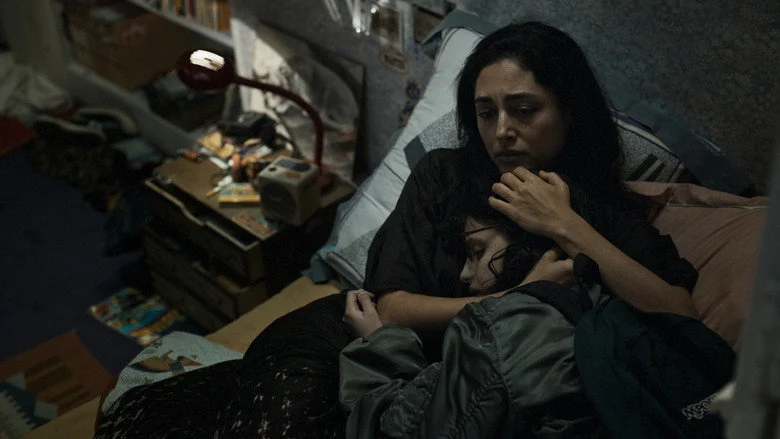
A 13-year-old girl named Alpha walks through the door, and the crude ‘A’ carved into her arm immediately shifts the air in the room. Her mother, a doctor, chokes on the word “virus” before she even confirms the threat, and you sense this household is already splintering.
The Tattoo That Changes Everything
Mélissa Boros, as the teenager Alpha, establishes her character’s defiance in a single gesture. She does not flinch when her mother accuses her of using a dirty needle.
The actress registers a quiet, stubborn guilt that keeps the audience from fully blaming her for the crisis.
Julia Ducournau’s Uneven Hand
Ducournau directs the first act with the distinct, tactile anxiety she perfected in *Raw*. The problem begins when the uncle, played by Tahar Rahim, arrives without enough narrative runway.
The shift from biological horror to a dysfunctional family drama feels sudden, and the screenplay never recovers from the tonal whiplash.

A Bleeding Genre at War With Itself
As a drama, *Alpha* succeeds in making the viewer feel the claustrophobia of a single mother bracing for the second loss of a child. The fantasy element, a petrifying virus that turns people to marble, is visually arresting but conceptually hollow.
The mechanics of the disease remain frustratingly vague, robbing the central conflict of its tension. Ducournau uses close-ups effectively during the tattoo reveal, capturing the mother’s visceral fear, but the rules of this world are never clearly established.
The second act drags precisely because we are waiting for an explanation that never arrives. The emotional weight of the brother’s death is mentioned once and then dropped.
A Mother and a Friend Holding the Screen
Golshifteh Farahani delivers a performance of raw, almost unbearable desperation as the mother. Her voice breaks when she accuses the uncle of bringing the virus home, but the dialogue feels written rather than lived.
Tahar Rahim as the uncle adds a layer of complexity to the family crisis, he is not a villain, merely a vector for chaos. Emma Mackey, as Alpha’s friend, appears briefly to show us what normalcy looks like, and her presence makes Alpha’s isolation sting more than any line of dialogue.
If you enjoy examining how directors construct visual fear, you might also enjoy browsing our collection of FR Drama reviews that explore similar body-image anxieties.
The Ambiguity Problem
The ending is the film’s most divisive element. By leaving Alpha’s fate uncertain, Ducournau denies her audience a cathartic release. It is a deliberate choice that feels less like art and more like a refusal to commit.
Critics have been quiet on the numbers, but conversations around the film’s abrupt character introductions have been consistent. One reviewer noted that the uncle’s function in the story feels “unearned, ” which is a generous way of saying the script needed one more draft to make the family dynamics cohere.
I think the film works better as a mood piece than as a narrative, which may frustrate viewers expecting the tight logic of *Titane*.
Watch *Alpha* only if you are a completionist for Ducournau’s work or seek a meditation on maternal dread that lacks a clean resolution. The best format to watch is on a streaming platform where you can pause and sit with the silence, because this film requires digestion rather than entertainment.
*Alpha* earns a 2.5 out of 5 from me, a film with a striking opening, a confused middle, and a finale that asks for patience the story has not earned.
For a more satisfying genre-mix that maintains its tension, check out our review of Alpha review.
You may also find Welcome Jungle verdict a better fit for a family in crisis, albeit one that embraces its chaos rather than apologizing for it.