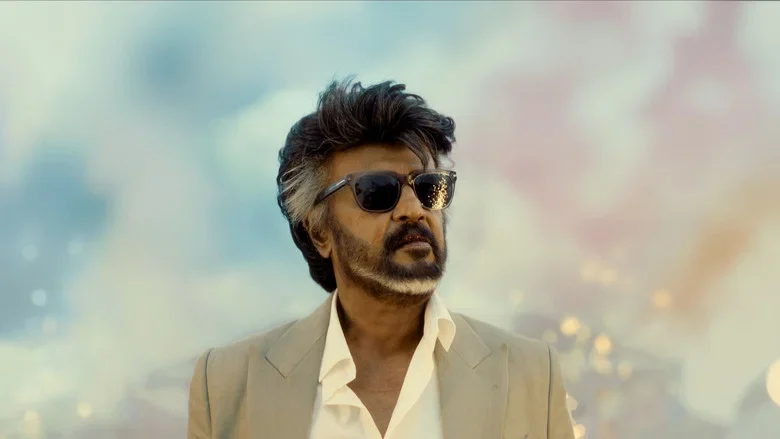
Jailer 2 (2026): Rajinikanth’s Retired Tiger and the Perils of a Sequel That Hasn’t Earned Its Swagger
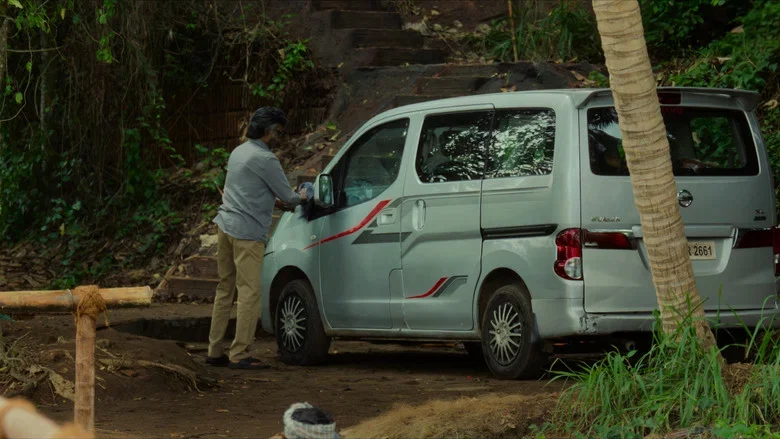
The most telling image in the Jailer 2 pre-release material isn’t a punch, a pistol, or a slow-motion stride. It’s a driver’s seat. Rajinikanth’s Muthuvel “Tiger” Pandian, the retired jailer who turned a 2023 comeback into a franchise, is reportedly going undercover behind the wheel, and the film’s entire dramatic gamble rests on whether that disguise can generate suspense rather than merely decorate it.
When a Retired Enforcer Becomes a Chauffeur, the Threat Has to Earn Its Menace
The premise is clean enough: domestic peace, a criminal organization reaching for Tiger’s family, and a man forced back into the violence he thought he’d shelved. It’s the same architecture Nelson Dilipkumar used in the original, and it’s the same architecture that powers the star-driven action machinery of Toxic, another upcoming theatrical bet on a single charismatic figure carrying an entire ecosystem of menace.
What separates the two is the question of authorship. The first Jailer worked because Nelson treated Rajinikanth’s age as a weapon rather than an apology, letting stillness do the work that choreography usually does. Here, the undercover-driver conceit threatens to replace that stillness with busy plotting, surveillance, delayed recognition, identity slippage, none of which matters if the villain isn’t personally terrifying.
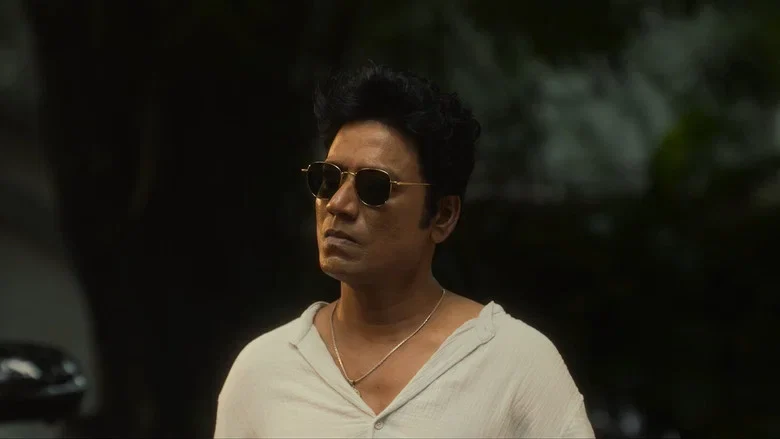
S. J. Suryah’s Bodhi Kalpak is the clearest named antagonist in the available cast material, and Suryah is an actor who understands how to weaponize vocal pitch and physical restlessness. But the role’s actual tactics, ideology, and climactic confrontation with Tiger remain undocumented, which is the sequel’s most dangerous structural gap.
A Family Under Siege Is Only as Compelling as the Family We Actually See
Ramya Krishnan returns as Viji Pandian, and her presence in the domestic unit is the film’s most reliable emotional anchor. The problem is that “family threatened” is a premise, not a scene. If the film doesn’t give us specific, unhurried moments of that family’s ordinary rhythm, a meal, an argument, a silence, then the eventual violence has nothing to violate.
Vidya Balan is listed as Kantha Kalpak, though her relationship to Bodhi or to Tiger is not established in the available material. That ambiguity could be the film’s smartest narrative card, or it could be a casting decision made for marquee value rather than dramatic function. The film’s ensemble, Mohanlal as Mathew, Shiva Rajkumar as Narasimha, Jackie Shroff as Kamdev, suggests a cross-regional power struggle, but it also suggests a screenplay that may be juggling too many famous faces to give any of them a real scene.
Yogi Babu as Vimal and Sunil as “Blast” Mohan are positioned as comic relief, and that’s a structural warning sign. The first Jailer used its humor as a pressure valve between escalations; a sequel with a larger ensemble risks letting that valve stay open too long, deflating the dread the premise needs.
The Undercover Driver Is a Clever Idea Trapped in a Familiar Sequel Body
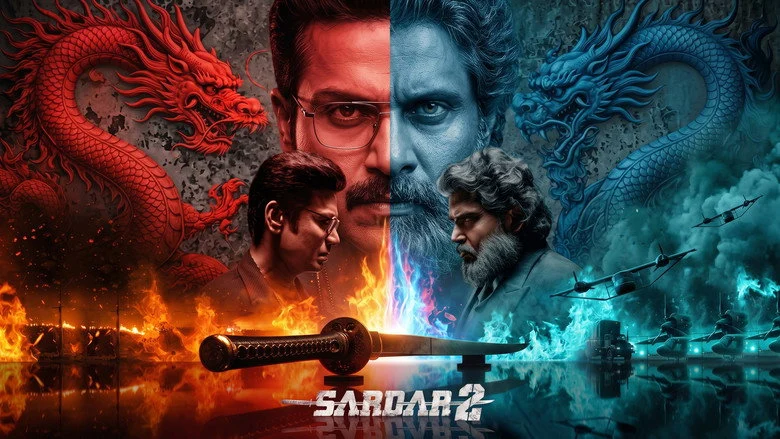
Nelson’s real challenge is tonal control. The original film’s best sequences were built on the tension between Tiger’s polite, almost bureaucratic demeanor and the sudden, economical brutality he could summon. The undercover-driver setup is an extension of that idea, concealment as strategy, and it echoes the kind of identity-based suspense that gives Sardar 2 its intermittent charge, even when the plotting runs ahead of the logic.
But a sequel has to justify its own existence, and the available material doesn’t yet explain why this story needs to be told now. The first film ended with Tiger’s legacy secured; the second opens with that legacy under threat. That’s a reset, not an evolution, and resets are the most common way franchise action films quietly become disposable.
The comparison to Petta is instructive. That film worked because Karthik Subbaraj built a specific, textured world around Rajinikanth, a world with its own rhythm, its own supporting eccentrics, its own sense of place. Jailer 2’s announced multi-star ensemble suggests scale, but scale without specificity is just a longer running time. The reported runtime, somewhere between 2 hours 45 minutes and 2 hours 55 minutes, is already a warning: that’s a lot of movie for a premise this thin.
Rajinikanth’s Performance Will Live or Die on What He Doesn’t Do
The most interesting performance challenge here is restraint. A retired Tiger who suppresses his identity as a driver must communicate threat through micro-behavior, the way he holds a steering wheel, the pause before he answers a question, the moment his eyes stop moving because he’s already decided something. Rajinikanth has always been most dangerous when he’s still, and the undercover premise gives him permission to be still for long stretches.
The risk is that the film mistakes stillness for inactivity. If the screenplay fills those quiet moments with expository dialogue instead of behavioral detail, the performance becomes decorative rather than dramatic. The first Jailer understood this; its best scene was Rajinikanth sitting in a chair, letting a room full of men talk themselves into fear.
The film’s villain problem compounds this. Suryah’s Bodhi needs to be a presence that justifies Tiger’s return to violence, not just a plot mechanism that triggers it. The available material doesn’t tell us whether Bodhi has a philosophy, a grievance, or a personal history with Tiger, and without that, the climax is just a fight between two famous actors in a room.
The Sequel Economy: Why Jailer 2 Has to Be More Than a Victory Lap
The commercial stakes here are substantial but predictable. A Rajinikanth-led franchise entry releasing in Tamil, Telugu, Hindi, and Kannada is designed to maximize opening-weekend revenue across multiple markets tracked closely by Filmyfly South enthusiasts, and the multi-star ensemble, Mohanlal, Shiva Rajkumar, Jackie Shroff, is clearly engineered to broaden that reach. But the sequel economy has a ceiling, and it’s set by audience memory.
The first Jailer was a phenomenon because it arrived at the right moment with the right star and the right director. The second arrives with expectations that are exponentially higher and a premise that, on paper, looks like a retread. The film’s financial success will depend on whether Nelson can make the familiar feel urgent, and whether Rajinikanth can make the retired-enforcer archetype feel like a character rather than a costume.
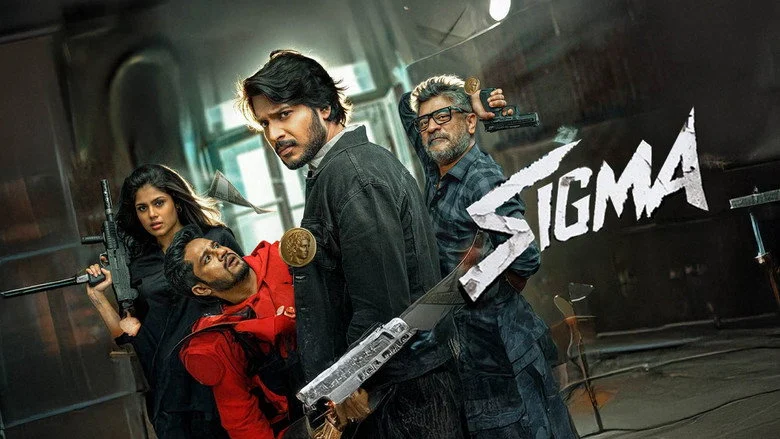
The broader Tamil action landscape is crowded with films that mistake scale for substance, Sigma is a recent example of a heist thriller that plays its traps too mechanically, and the comparison is instructive. Audiences will forgive a familiar story if the execution has texture. They will not forgive a familiar story that feels like it was assembled rather than directed.
What’s genuinely at stake for contemporary Tamil action cinema is whether the star-driven franchise can mature beyond the opening-weekend model. Jailer 2 has the cast, the director, and the release window to prove that a sequel can be more than a victory lap. It also has every incentive to play it safe.
The Uncomfortable Question: What Is Tiger Protecting, and Why Should We Care?
The film’s central dramatic question, can a former enforcer protect domestic peace without becoming the violence he left behind?, is genuinely interesting. But it’s also a question the first film already answered. Tiger’s arc in Jailer was about reclaiming his identity; the sequel’s arc appears to be about defending it. That’s a smaller story, and it requires a smaller, more intimate film than the ensemble scale suggests.
If Nelson commits to that intimacy, if the film is willing to be a chamber piece about a man who can’t escape what he is, then Jailer 2 could be the rare sequel that deepens rather than dilutes. If it defaults to spectacle, it will be exactly what the premise suggests: a retired hero, a new villain, and a lot of famous faces filling the space between them.
The driver’s seat is the right image. The question is whether the film knows where it’s going.