
Korean Kanakaraju (2026): Varun Tej’s Indo-Korean Horror-Comedy Promises Chaotic Fun


The title glimpse opens on a photographer being tortured by Korean cops, his answers useless against their questions. Then the interpreter translates, and the dread shifts, this isn’t about a man, it’s about a monster they’ve summoned.
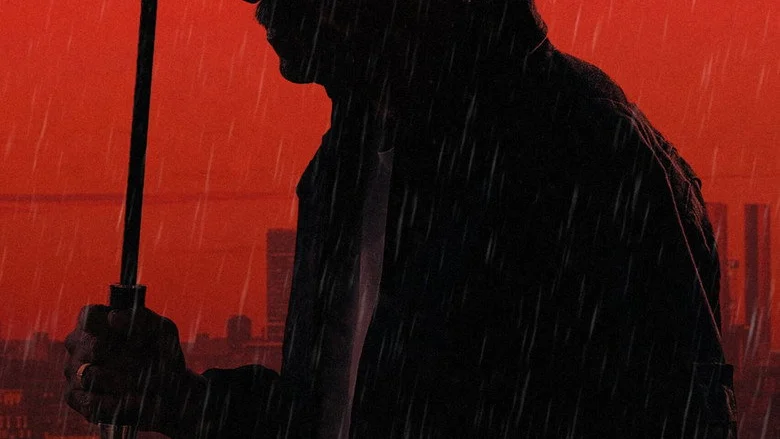
By the time a blue-eyed, possessed Varun Tej walks in wielding a Samurai sword, you know exactly what kind of film this is: loud, unhinged, and unapologetically entertaining.
Varun Tej Finally Embraces the Madness
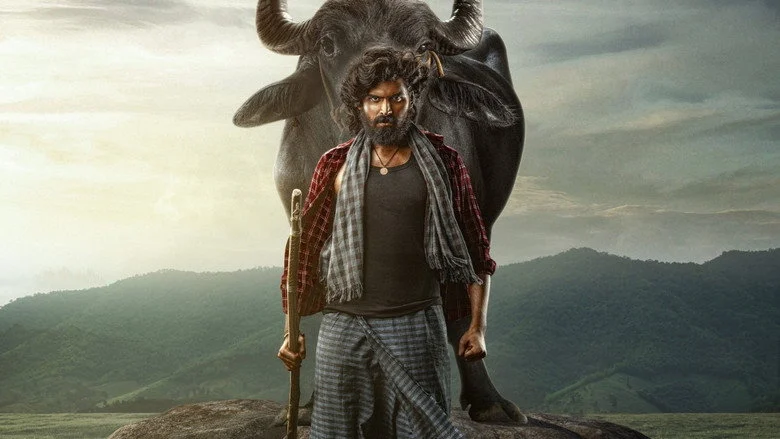
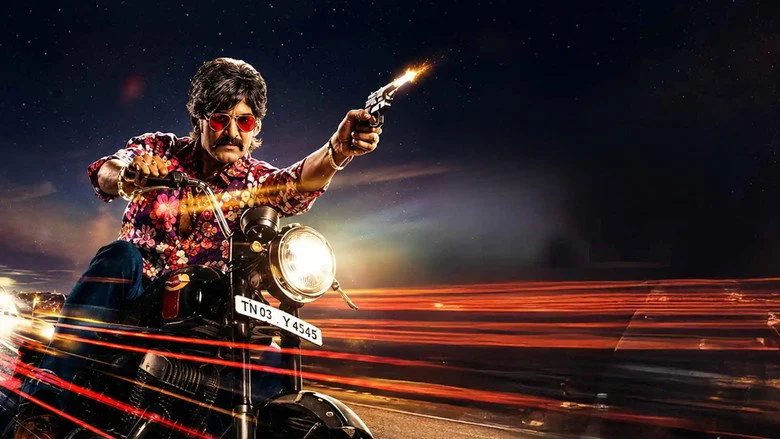
Varun Tej has spent years oscillating between action and drama, but here he’s let loose. The promotional material shows a shift from ordinary village youth to supernatural avenger, and the title glimpse confirms he’s committing to the bit.
The possessed state, blue eyes, violent swagger, a Korean “I’m back” that lands harder than any Telugu dialogue, is the kind of performance that could define his career. He’s not playing a character here; he’s playing a force of nature.
Merlapaka Gandhi’s High-Concept Gamble
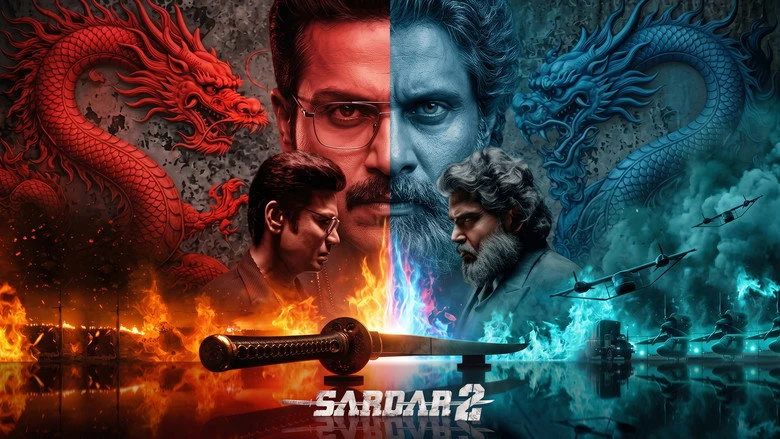
Merlapaka Gandhi’s direction is built on a single, ridiculous premise: a dragon-shaped vase that transports Kanakaraju to South Korea whenever the country is mentioned. It’s absurd, and he knows it.
The strength is the setup, fast, visual, and packed with a reveal structure that hooks you in minutes. The weakness is the question of sustainability; whether the feature can stretch this joke into a 2h 45m runtime without collapsing under its own weight remains unproven.
The screenplay is linear, driven by a mythic trigger rather than narrative complexity. But the mechanics of the vase and the Korea-mention rule are glossed over in the available material, which is either a clever tease or a looming plot hole.
Horror-Comedy: The Tightrope Walk
The horror engine here is possession, and the police-station attack scene is the genre’s shock beat, a full-moon reveal that follows classic supernatural timing. It’s the cleanest, most effective moment in the entire glimpse.
The comedy, meanwhile, comes from the language barrier and mistaken identity. The photographer’s reaction, “This Kanakaraju isn’t our Kanakaraju…”, is the film’s funniest line, a knowing wink at the audience that the chaos is just beginning.
Thaman S’s music, particularly the song “Kamsahamnida, ” is already being highlighted in promotions, and it’s the glue that could hold this tonal mashup together. If the background score matches the song’s energy, this could be a genre-blending riot.
For more on this wild mix of cultures and chaos, browse other Telugu Action reviews.
The Supporting Cast: Translators and Wildcards
Ritika Nayak plays the interpreter, a role that makes her the film’s exposition lifeline. Her function is to translate the police’s questions, but her casting signals a larger intent: she’s the bridge between two worlds that don’t understand each other.
Satya is listed among the principal stars, though his character remains unspecified in available sources. His presence alone suggests the comedy will lean on his proven timing, he’s the wildcard who could either ground the film or send it further into orbit.
The Indo-Korean Experiment: Risk or Reward?
The cross-cultural setup is the film’s biggest selling point, but it’s also its largest gamble. No verified reviews exist yet, and the audience response is purely speculative, fans are excited about Varun Tej’s supernatural turn, but the tonal balance remains an open question.
The antagonistic force is institutional, Korean police and mafia, rather than a single named villain, which spreads the conflict thin. But the language-driven tension is a fresh angle, one that could make this a cult favorite if the execution lands.
I’m cautiously intrigued by the premise, even if the runtime worries me. A 2h 45m horror-comedy needs relentless pacing, and the available material doesn’t confirm whether Gandhi can sustain the joke beyond the reveal.
Go in for the spectacle, stay for the chaos. If you’re a Varun Tej fan or a horror-comedy enthusiast, this is a theatrical watch, the full-moon sequence demands a big screen, and the Korean setting deserves the wide frame.
Those who enjoyed the supernatural stakes of Thudakkam review will find a similar energy here.
Korean Kanakaraju is a 3.5/5 gamble that could either be a genre-bending triumph or a glorious mess, but it’s a risk worth taking.
For another take on cultural collision, check out Ottam Thullal verdict.