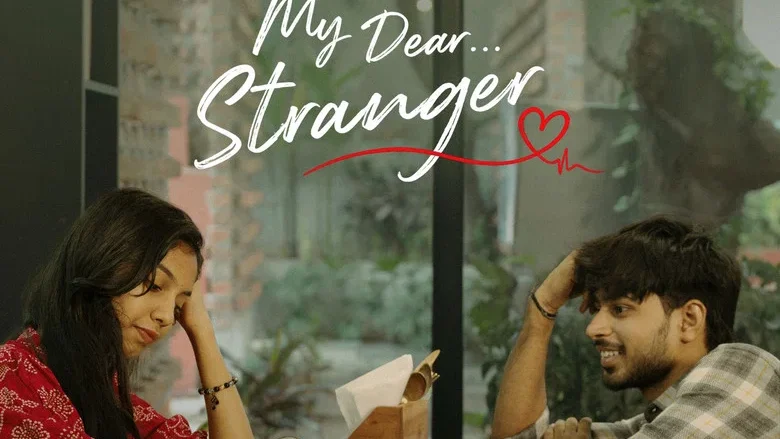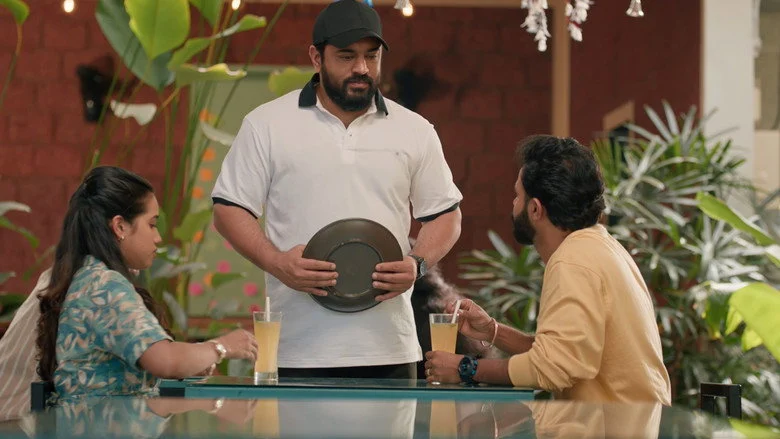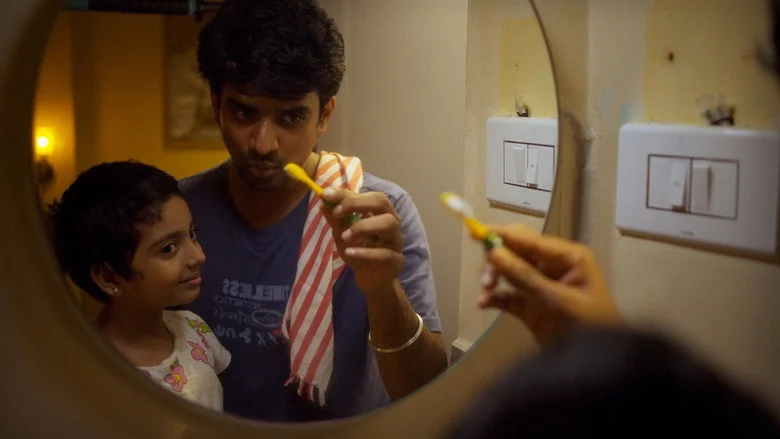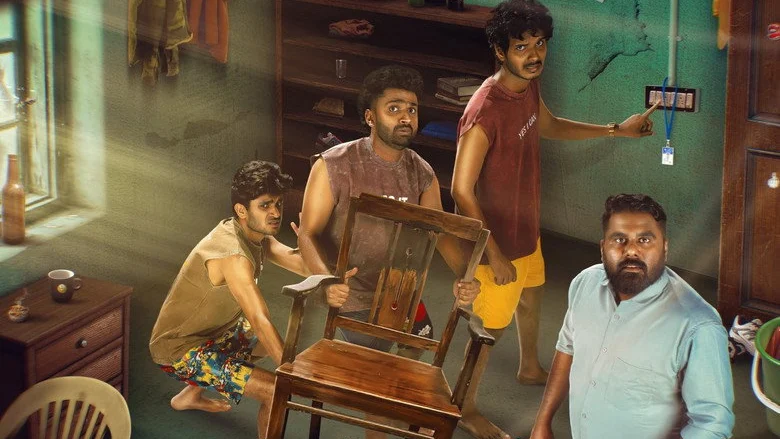

Pyaar Prema Kalyanam (2026): A Fresh Marriage Role-Reversal That Stays Home


The trailer’s core reveal lands with the weight of a well-aimed comic grenade: a newly married man, suitcase in hand, walking through the door of his wife’s family home as a live-in son-in-law. It is a reversal of a Tamil marriage custom so ingrained that the sheer novelty of the premise earns immediate attention.
Director Elan, stepping in front of the camera as his own lead, understands this hook is his film’s strongest currency. The setup promises a family-entertainer dynamic where the comedy writes itself through generational friction and household awkwardness.
Elan’s Debut Anchors the Awkwardness
As an actor, Elan plays the restrained, perpetually uncomfortable husband trying to find his footing in a space where he is both guest and family. The trailer suggests a performance built on situational discomfort rather than loud comedy, a choice that fits the film’s domestic register.
This is his acting debut, and the publicity wisely frames the role around his first-time status. There is a certain risk in a director casting himself as the romantic lead, but the material seems tailored to a low-key, reactive presence that doesn’t demand star charisma.
The Genre Core: Comedy Built on Convention
Romantic comedy works best when the obstacle is a social rule, not a misunderstanding. This film’s engine is the cultural weight of where a husband should live, and every scene of household adjustment feeds off that tension. The premise reveal alone carries the trailer’s best comedic beat.
The conflict is staged entirely through family presence rather than external plot machinery. There is no villain, no corporate conspiracy, no road trip, just the slow, awkward work of two people renegotiating tradition inside a crowded home. That restraint is both the film’s identity and its limitation.
Yuvan Shankar Raja’s soundtrack, highlighted in the Netflix promotional copy, adds a layer of musical warmth that the domestic setting needs. Without theatrical buzz or a big-screen spectacle, the film’s appeal will hinge on how well these small moments land in a living room context.
The In-Law Ensemble Carries the Household Weight
Radhika Sarathkumar appears positioned as the household authority figure, the mother-in-law whose expectations drive much of the conflict. Her presence gives the film a matriarchal anchor that elevates the stakes of the role-reversal premise beyond mere gimmickry.
Elango Kumaravel’s measured father-in-law provides a counterpoint to the lead’s adjustment, grounding the intergenerational tension in something recognizable. Geetha Kailasam adds the lead’s mother into the mix, creating a multi-household structure that complicates the central couple’s private space.
The comic support comes from familiar faces: Yogi Babu for reaction-based humor and M. S. Bhaskar for scene-level interplay. Their casting signals a film that knows its audience, family audiences who want dependable comic relief between the relationship beats.
Reception and the OTT Question
Since this is a direct Netflix release, theatrical box office figures are irrelevant to measuring its success. The film’s fate rests entirely on streaming viewership and word-of-mouth within the family-comedy space, where the trailer’s clear hook and ensemble appeal give it a fighting chance.
The absence of any critical consensus or controversy means the film enters the OTT arena with a clean slate. For viewers who enjoy domestic-setup humor and light romantic comedy, this is a safe bet; for those seeking high-stakes plotting or action, the trailer makes it clear this is not the film for you.
I find myself curious whether the screenplay can sustain the premise beyond its initial reveal, since a one-joke setup can wear thin without layered writing.
For more Tamil cinema coverage, browse our Tamil Romance reviews section.
Pyaar Prema Kalyanam is best watched on a lazy weekend afternoon, when the comfort of a familiar family comedy outweighs the need for narrative surprises. It is a film that knows its lane and stays in it, which is both its charm and its ceiling. At a solid 3 out of 5, it earns a recommendation for fans of the genre, though it won’t convert anyone looking for something bolder.
If you are drawn to role-reversal family dynamics, Irumudi review explores a similar renegotiation of tradition through a pilgrimage lens.
For those who prefer their family conflicts with a sharper edge, Khalifa Part verdict trades comedy for dynasty drama.