
Udta Teer (2026): Ayushmann Khurrana’s Amnesia-Spy Comedy Chooses Gags Over Tradecraft
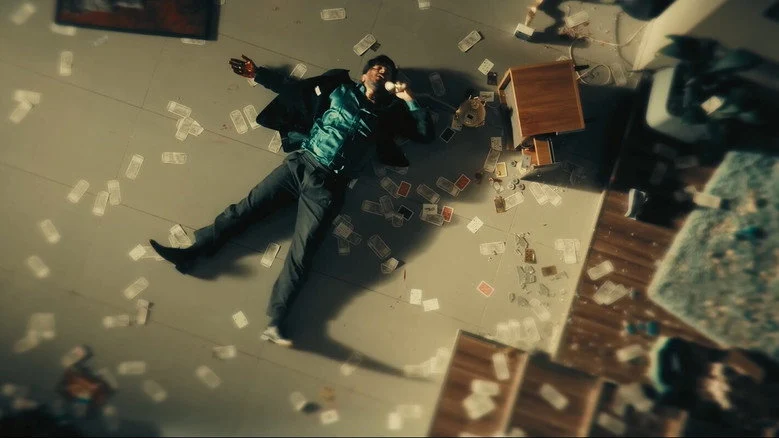
The blast arrives early, and so does the joke: a Pakistani operative wakes up convinced he is the Indian officer hunting men like himself.
Aakash Kaushik’s debut has a killer premise and a screenplay that keeps losing the thread of it.
The High Concept Is Loaded, The Follow-Through Is Lazy
Bilal Ahmad detonates his way into amnesia and out the other side as Vikrant, patriot, counter-terrorism asset, model citizen of the republic he was sent to dismantle.
That reversal is genuinely funny on paper, because the man’s muscle memory keeps betraying him while his mouth keeps pledging allegiance.
The trouble is that Kaushik treats the irony as a destination rather than an engine. Once the switch is flipped, the film settles into a comfortable groove where Bilal’s competence is mistaken for heroism and nobody in the room asks a single inconvenient question.
Where a tighter filmmaker would let suspicion curdle into dread, Udta Teer lets it evaporate into a punchline.
The structural debt is visible in how the film handles information. Bilal lacks his past, Yamini lacks his truth, and his old handlers understand precisely what catastrophe his memory loss represents.
Three-way dramatic irony is a gift for a comedy of mistaken identity, yet the screenplay keeps handing the audience the same reveal in slightly different clothes rather than escalating it.
It recalls the inert puzzle-box construction of Cocoons, another recent theatrical release that mistook a clever conceit for a completed narrative.
Khurrana Splits Himself In Two And Only Commits To One Half
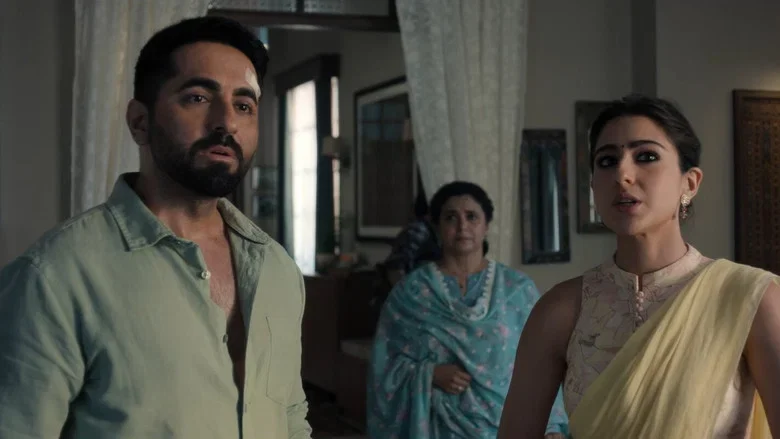
Ayushmann Khurrana has the harder assignment here, playing a man whose body remembers what his mind has erased.
The performance asks him to carry a trained operative’s economy of movement while consciously performing the earnestness of a newly minted patriot, and in the early stretches he nails the dissonance.
Watch his hands in the interrogation rooms. They stay too still, too practiced, the posture of someone who has been on the other side of that table.
The comedy lands precisely because Khurrana refuses to play the amnesia as confusion; he plays it as conviction, and conviction in the wrong body is where the laughs live.
What he cannot do is sustain it across two hours of narrative drift. Once the screenplay stops testing his delusion and starts protecting it, the performance loses its friction and settles into familiar Khurrana charm.
The contrast with the more disciplined performance work in THE BRANDOS is instructive; that film at least knew what its silences were for.
Sara Ali Khan Gets A Badge And Very Little Else
Yamini is positioned as the investigative pressure point, the officer whose job is to test Bilal’s credibility from the inside.
Sara Ali Khan plays her with a clipped professional briskness, all squared shoulders and rapid-fire briefings, and the film gives her almost nothing to investigate.
Her scenes with Khurrana carry a pleasant procedural hum, but the screenplay never lets her suspicion actually threaten him. She asks the right questions and then accepts the wrong answers, scene after scene, because the plot needs her to.
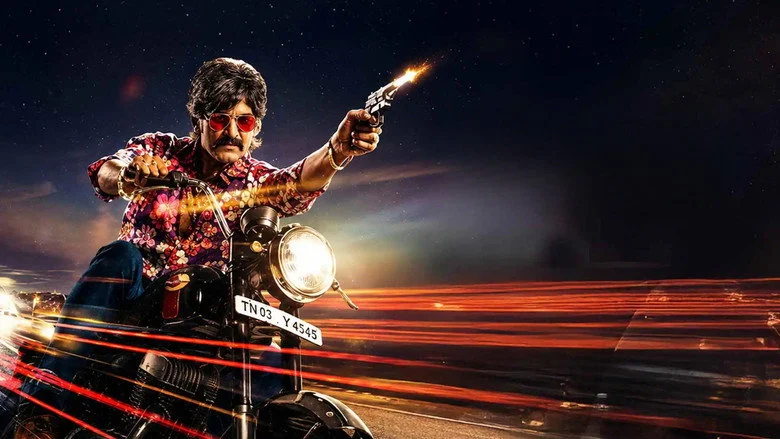
Rahul Bose, in the institutional upper tier, registers mostly as a silhouette behind glass, and the veteran antagonists Mukul Dev and Gulshan Grover are deployed as looming threats rather than characters with schemes of their own.
Grover in particular gets the bearing of command without a single exchange that explains what he actually wants.
The Comedy Runs On Borrowed Time
The film’s central gambit is dramatic irony at scale: every competent thing Bilal does reads as heroism to him and as sabotage to us.
That works beautifully for about forty minutes. Then the pattern repeats, and repetition is the death of irony.
Kaushik’s direction has energy but no patience. He cuts on the joke rather than letting it breathe, and the action beats are staged with a functional competence that never approaches wit.
The institutional corridors and safe houses are lit flatly, all fluorescent evenness, which suits the bureaucracy but flattens the tension.
There is one stretch in the middle where the film almost finds its rhythm, a sequence of Bilal confidently briefing his new colleagues on the very network he used to run.
It is the closest Udta Teer comes to the sustained comic pressure that Bhai Tera Star Hai managed in its better passages, and it suggests a version of this movie that trusted its own premise.
Dharma And Sikhya Bet On Star Power Over Script Discipline
Dharma Productions and Sikhya Entertainment are an odd pairing on paper, the glossy mainstream machine and the indie-minded production house, and this release tests whether their combined weight can carry a high-concept comedy with a soft middle.
Karan Johar and Guneet Monga’s banners have staked real money on Khurrana’s bankability, and the film’s theatrical life will depend almost entirely on whether his fanbase shows up opening weekend before word of mouth settles in.
The broader commercial question is whether the spy-comedy hybrid still has legs in contemporary hindi comedys, a genre that has been quietly ceding ground to streaming for years.
This one is built for the big screen and the crowd reaction, which is both its strength and its alibi for a screenplay that never quite earns its third act.
The Premise Deserves A Sharper Film Than This
By the time Bilal’s memories begin clawing their way back, the film has spent so long avoiding consequence that the reckoning feels procedural rather than seismic.
The final movement gestures at the question the premise was always asking, whether a man is his memory or his choices, and then declines to answer it with any conviction.
What lingers is not the resolution but the waste. A star at the top of his comic timing, a genuinely elegant identity reversal, and a supporting ensemble of veteran actors given nothing to do but stand in rooms.
Udta Teer fires a promising shot and lets the arrow drift. The target was right there.