
Aligned Apart (2026): A tender two-hander that trusts silence over spectacle


There’s a moment in the trailer where Neel’s world collapses, not with a crash, but with the quiet resignation of a man who has lost both his job and his love. Across the cut, Tara sits in the shadow of her parents’ separation, two strangers orbiting the same void. This is the risk Aligned Apart takes: betting everything on the belief that parallel grief can be more cinematic than any confrontation.
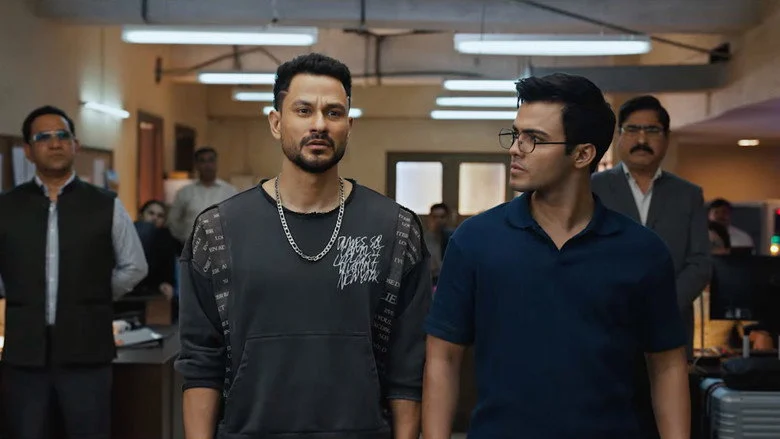
Arham Jain’s Neel wears heartbreak like a second skin
Jain’s Neel is the film’s most visible wound. The trailer frames him through restraint, hesitant pauses, lowered eyes, and dialogue that stumbles rather than flows. His strongest beat arrives in that breakup confrontation, where the line “Now you play the victim-card… and make me the villain!” lands with the sting of accumulated resentment.
It’s a performance built on what’s unsaid, and Jain commits to the interiority of it. The job-loss scenes, intercut with Tara’s family crisis, suggest an actor willing to play vulnerability without reaching for melodrama.
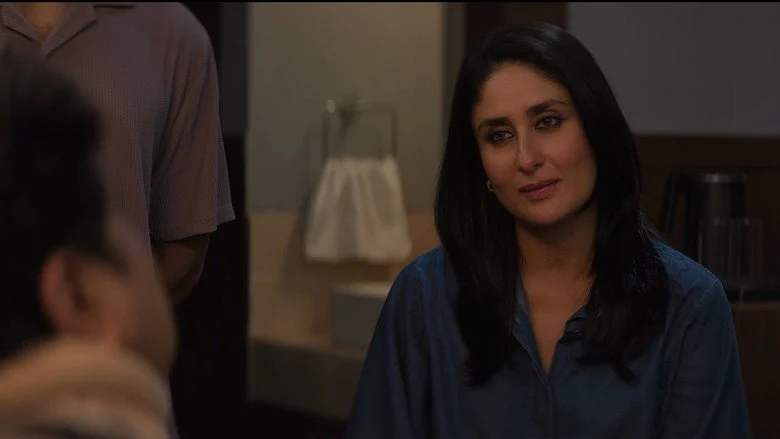
Tanisha Kulkarni’s Tara is the quiet storm the film needs
Kulkarni’s Tara is introduced through family conflict rather than romantic framing, a smart choice that keeps her distinct from the typical “love interest” template. Her role leans on reacting to parental separation, and the trailer suggests a performance of internalized anxiety rather than outward expression.
She mirrors Jain’s restraint, which risks monotony but also builds a credible emotional symmetry. The chemistry between them is implied through parallel editing, not overt romance, which makes their eventual connection feel earned rather than manufactured.

Parth Bhonge’s direction trusts the audience to feel
Bhonge’s screenplay, co-written with Dhriti Lowe, is a study in emotional economy. The opening establishes both arcs through short, dense cuts, breakup, job loss, family fracture, without a single expository scene. It’s confident filmmaking that assumes intelligence rather than demanding it.
The weakness, from what the trailer reveals, is the risk of imbalance. The two threads are visually aligned through intercutting, but whether one storyline dominates the other remains unclear. The final reflective montage, the hope-and-emptiness monologue, suggests a resolution that might prioritize theme over narrative closure.
The dialogue carries the load, sometimes heavily. Lines like “It’s been four months, bro… when will everything be okay?” risk sounding like therapy-speak, but the delivery appears grounded enough to sell the sentiment.
The supporting cast sketches a world of unseen pressures
Mr. Sudeep Bobde’s “Boss” hovers over Neel’s professional collapse, a reminder that this grief isn’t just romantic. Himanshi Satwani’s Kavya, named directly in the trailer’s breakup exchange, is the off-screen catalyst for the film’s central conflict, her absence is felt in every frame of that confrontation.
Harshita Panjabi’s Nikita and Bhonge’s own Veer remain undefined in the available material, but their presence signals a wider social ecosystem around the leads. Bhonge’s casting of himself as Veer suggests a director who wants a hand in the film’s conversational texture, even if the trailer doesn’t reveal his function.
Audience reception and the politics of patience
There are no controversies here, no censorship battles, no political firestorms. The film’s battle is with attention spans. The audience praise points toward the parallel-character setup and dialogue-driven framing, which suggests a viewer base that values emotional literacy over spectacle.
This is a film aimed squarely at class audiences and fans of relationship dramas. It’s a deliberate counter-programming choice in a market flooded with high-concept thrillers, and one that will frustrate anyone expecting action or a twist-driven plot.
For those who want to see more films that trust their characters to carry the weight, browse more Hindi drama reviews on our site.
Music and editing: the invisible collaborators
The single named track, “I Thought I Saw Your Face Today, ” hints at the film’s tonal ambition, nostalgic, melancholic, and anchored in memory. The editing shifts from brisk emotional setup to a slower, reflective second half, mirroring the characters’ descent from crisis into contemplation.
Cinematography leans on intimate close-ups and subdued lighting, a visual language that prioritizes interiority over geography. It’s not flashy, but it’s appropriate for a story that happens mostly inside its characters’ heads.
At its core, Aligned Apart is a drama about whether hope sustains us or merely prolongs the inevitable. The trailer’s closing question, “If hope is keeping us alive, what is driving us to the end?”, is the film’s thesis, and it’s a genuinely provocative one.
The film’s release on August 7, 2026, via Spade Films’ YouTube channel, positions it as a digital-first experiment. Whether it finds its audience depends on whether viewers are willing to sit with discomfort rather than escape it.
Aligned Apart is best watched on OTT, in a quiet room, with no distractions. It’s a film that rewards patience and punishes impatience in equal measure. If you’re in the mood for something that feels like a conversation rather than a spectacle, this is worth your evening.
For a similar exercise in atmosphere-driven storytelling, check out our KJQ review.
Aligned Apart earns a cautious 3 out of 5, a tender, well-acted drama that trusts its silences, even when the pacing tests your own.
If you prefer your crime thrillers with a similar emphasis on performance over plot, our Detective Teekshanaa review offers a different shade of restraint.
Readers looking for more hindi drama reviews can explore them on MP4Moviez.