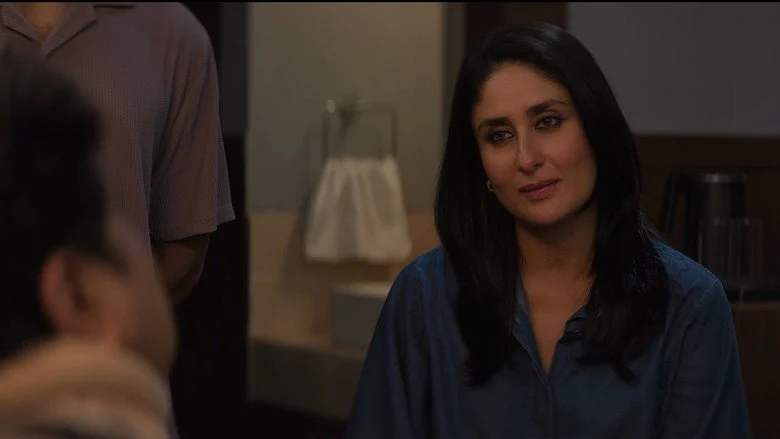
Daayra (2026): Meghna Gulzar’s Cop-vs-Cop Drama Loses Its Own Argument


The most quietly devastating image in Daayra isn’t the charred body, the celebratory garlands, or the slogans raised outside a police station. It’s a mother’s hands. Kshitee Jog, playing Parvati Pujari, is asked to identify what remains of her daughter Ragini. Meghna Gulzar holds the shot a beat longer than comfortable. No swelling score. No cutaway. Just the awful administrative mechanics of grief, a signature, a nod, a body released into the machinery of a case file. It’s the cleanest, cruelest scene in a film that spends the next two hours trying to decide what it wants to say about that body, and keeps losing its nerve.
The Encounter That Opens, The Argument That Frays
Gulzar and co-writers Sima Agarwal and Yash Keswani open with the procedural bluntness that has become her signature: Ragini disappears, her charred remains are recovered, her mother struggles to even file a complaint, and DCP Raman Kumar (Prithviraj Sukumaran) rounds up four suspects and has them killed in an “encounter” that the public applauds. The staging here is deliberately unglamorous, no slow-motion gun ballets, no hero shots. The killings happen fast, almost bureaucratically, and the celebration that follows is framed with a documentarian’s remove. It’s a strong, unsentimental thesis statement about how a broken system metabolises violence into applause.
Then DCP Ajooni Kohli (Kareena Kapoor Khan) arrives from internal vigilance to investigate the encounter, and the film’s real engine kicks in: two cops, one doctrine. Raman believes the law is a leaky vessel that needs plugging by hand. Ajooni believes the vessel is the point. The parallel timelines, the crime, the encounter, the internal probe, are stitched together with unusual care, largely through CCTV footage and rear-view mirror compositions that Gulzar and her DOP use to literalise the idea of “looking back.” For a stretch in the first half, this is a genuinely gripping procedural, closer in spirit to Gulzar’s own Hanuman Ansh verdict than to the star-vehicle bloat the marketing implies.
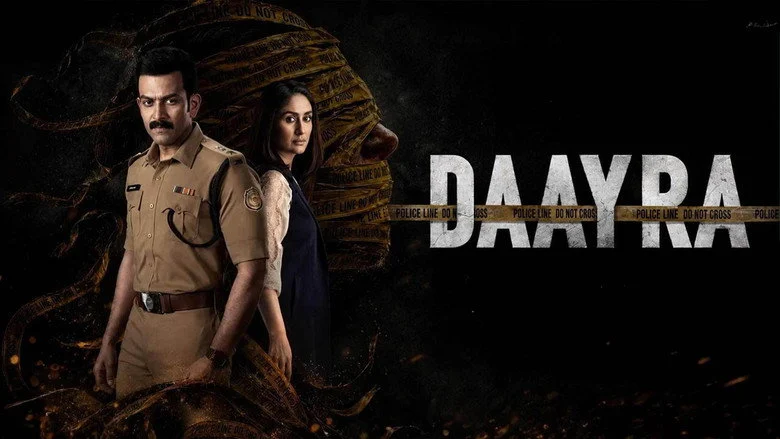
Prithviraj Holds the Line; Kareena Holds the Pose
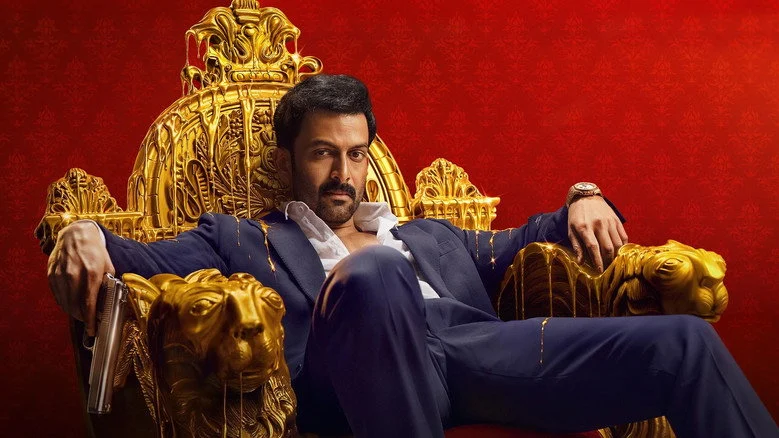
The performance gap is the film’s central problem. Sukumaran plays Raman as a man who has already won the argument in his own head, his justification monologues are delivered with a coiled, almost tender certainty that makes him far more interesting than the script deserves. In the encounter-celebration sequence, he doesn’t gloat; he looks tired, like a man doing unpleasant arithmetic. It’s the best work in the film.
Kapoor Khan, by contrast, is directed as a star rather than a cop. Her Ajooni gets the film’s most quotable line, “System change hote hain Vishal, log nahi. Attitude kaise change karoge?”, and delivers it with conviction, but the surrounding performance is curiously airless, more editorial posture than lived interiority. When the two finally square off, the scene should crackle with ideological heat; instead it plays like two monologues sharing a room. CNBC TV18 put it bluntly, “Prithviraj Sukumaran outshines Kareena Kapoor”, and it’s hard to argue.
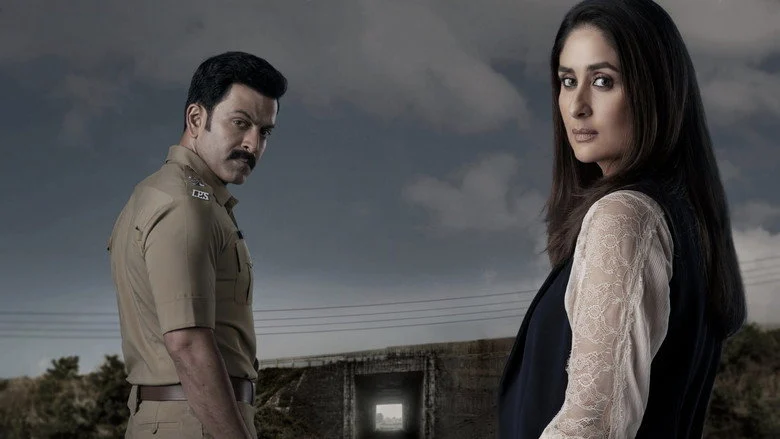
Where the Argument Goes to Die
The second half is where Daayra stops being a film about extra-judicial killings and becomes a film about how hard it is to end a film about extra-judicial killings. Gulzar, who built Talvar around a single, ruthlessly coherent thesis, here lets the argumentative thread slacken. Subplots about the perpetrators’ and the police’s parallel moral rot are introduced, gestured at, and then abandoned. The climax, a confrontation designed to force accountability, lands with a thud rather than a verdict. Scroll.in nailed it: the film “loses the thread of its argument about extra-judicial killings.” Bollywood Hungama’s “falters in its second half and climax” is, unfortunately, accurate.
Amit Trivedi and Gulzar’s songs are tastefully deployed, and Ketan Sodha’s restrained background score is one of the film’s genuine assets, it knows when to shut up. The editing, too, is smooth in linking timelines, even if it can’t solve the structural problem of a script that doesn’t know which question it’s answering. For a sharper recent example of a procedural that keeps its thesis intact from first frame to last, our review desk’s take on Enna Vilai review is worth revisiting.
Verdict: A Smart Film That Forgets Its Own Question
Daayra is a class-audience crime drama with real ambition, it wants to sit alongside Talvar and Raazi in Gulzar’s filmography, and for its first hour it nearly does. But where Talvar was surgical, this one is discursive, and the discursiveness curdles into drift. Kshitee Jog’s work as the grieving mother is the film’s emotional anchor and deserves to be seen; Sukumaran’s Raman is the most fully realised character on screen. Kapoor Khan fans will find her watchable but underserved by a script that treats her as a symbol rather than a person.
See it in a regular theatre if you want the procedural immersion and can tolerate an A-certificate treatment of sexual violence that is more suggested than shown. Skip it if you need momentum, resolution, or a film that trusts its own ending. For more of our coverage of this year’s Hindi releases, browse our Hindi Thriller reviews.
Rating: ★★★☆☆ (3/5)