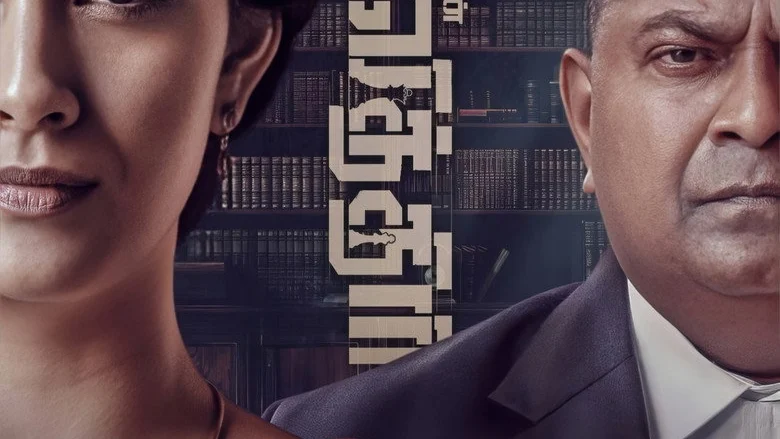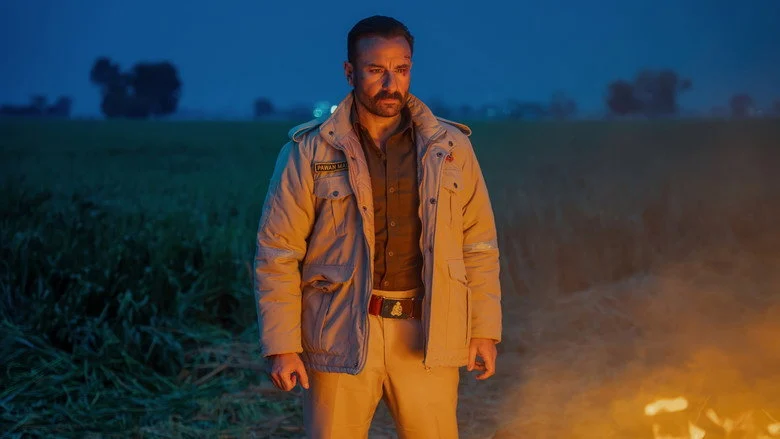

Tadviruddha (2026): A Kannada psychological thriller that values mood over momentum


Suchendra Prasad plays Anthony, a retired officer pulled back into an unresolved murder at JD Kere Estate. His performance is built on restraint, controlled investigation scenes rather than broad emotional outbursts. He functions as the hinge between the procedural and psychological layers, and the film trusts him to carry that weight without fuss.
That casting choice signals intent. The role demands a man who has lived with the case’s ghost, and Prasad’s weathered composure sells the premise. He is the calm surface over a disturbed past, which is exactly what this material needs.
Vinod J. Raj builds a mystery from archival dust, not action
Director Vinod J. Raj structures the film around investigative objects, fading crime photographs, autopsy reports, skeletal analysis, cassette recordings. This is a mystery told through evidence, not chases. The 1990s setting reinforces that analog texture, giving the inquiry a somber, archival look that suits the tone.
The flaw is pacing. The film leans heavily on mood and memory, and some sections slow the investigation while the narrative drifts into atmosphere instead of forward plot movement. Raj’s strength is coordination; his weakness is momentum. The first half is setup and evidence gathering, and it shows.
The genre-core execution is a study in gradual revelation
This is a psychological thriller that treats the murder as a wound, not a puzzle. The central conflict is a retired officer uncovering trauma and secrets that protected the truth. The film connects procedural discovery to emotional damage, which is a smarter choice than a standalone whodunit.
The most praised scene is the investigative passage where old evidence reveals the human trauma behind the killing. The cassette-recording sections reconnect the present inquiry to buried memory, and those moments land because they trust the audience to piece things together. The autopsy and skeletal-analysis passages carry the same weight, clinical, cold, but never detached.
Where it stumbles is the second half’s shift into deeper revelations. The payoff depends on emotional disclosure rather than a tightly engineered crime twist, and viewers expecting a sharp reversal may find the resolution more mournful than shocking. The bleak, case-file-driven tone is sustained, but it comes at the cost of narrative acceleration.
If you’re drawn to slow-burn investigative storytelling, there’s more to explore in our Kannada Thriller reviews.
The supporting cast fills the gaps around the lead
Aishwarya B. Shetty appears as Lekhana Sharma, and Pooja Gowda as Kalpana, both listed in casting but without scene-specific commentary in accessible coverage. Their presence suggests a web of interconnected suspects, which fits the film’s small-set structure. Suman Ranganath is also among the lead cast, though no role-specific details are verifiable.
Abhi Samrat plays Bhatkal, and Suvina Gowda appears as herself, adding to the ensemble’s texture. The film treats collective secrecy as the main opposing force rather than a single villain, so these actors function as pieces of a hidden past. Their collective weight matters more than any individual turn.
Audience fit and the case for patience
This is squarely aimed at the class audience and fans of psychological mysteries. Viewers expecting fast-paced mass entertainment or song-heavy commercial formatting should look elsewhere. There are no controversies, censorship issues, or production dramas attached to the release, the conversation is purely about craft.
Public discussion data is limited, but the praise points are consistent: the old-case investigation framework, the 1990s procedural detail, and the emotional undercurrent tied to the unsolved murder. The complaints are equally predictable, pacing that depends on extended investigative passages rather than frequent plot reversals. The film’s sparse public data makes it hard to verify how clearly the mystery mechanics land for all viewers, but the intent is legible.
Tadviruddha is a film that asks you to sit with its silences. If you have the patience for a mood-driven procedural, it rewards that trust; if you need constant propulsion, it will test you. Watch it in a regular format, preferably with no distractions, and let the archival texture do its work.
For a similar approach to restrained, atmospheric storytelling, consider how Newton s review handles its own procedural undertones.
Tadviruddha earns a 3 out of 5, a somber, well-intentioned thriller that values emotional truth over genre mechanics, but never quite earns its own silence.
For another take on narrative restraint, Abeyance verdict explores similar thematic ground.