Drishyam: The Conclusion (2026): Ajay Devgn s lands hard though the screenplay stays patchy


The Salgaonkar family’s quiet Coorg life feels heavier this time, the shadows longer. Vijay’s chessboard has grown too crowded, and the arrival of Jaideep Ahlawat and Prakash Raj signals that this conclusion refuses to coast on familiar cat-and-mouse thrills.
Ajay Devgn’s Vijay Is No Longer the Only Genius in the Room
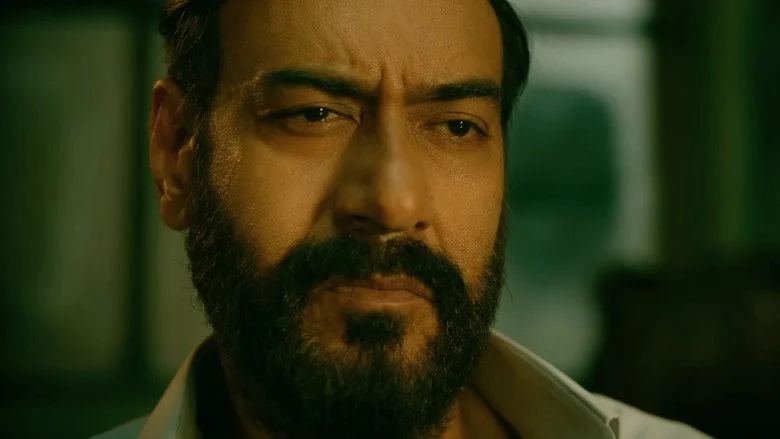
Devgn plays Vijay with a weary precision that suits a man who has outsmarted the system once too often. The swagger is gone, replaced by a defensive stillness that suggests he knows his luck is finite.
His scenes opposite Tabu carry a new charge, these two veterans now speak in pauses, each silence a negotiation. It is the most mature work Devgn has done in this franchise, even if the script doesn’t always reward his restraint.
Abhishek Pathak’s Direction Tightens the Noose, Then Loosens It
Pathak understands the geometry of suspense better than most mainstream Hindi directors working today. He stages the early stretches with a controlled dread, letting the mundane details of the Salgaonkar household become instruments of tension.
The flaw arrives in the middle act, where the screenplay by Pathak, Aamil Keeyan Khan, and Parveez Shaikh introduces too many subplots without earning their payoffs. A sharper edit could have trimmed fifteen minutes of setup that delays the inevitable collision.
The Genre Core: A Thriller That Respects Its Own Rules
Drishyam: The Conclusion operates as a pure thriller, and its craft lies in how it weaponizes information asymmetry. Vijay’s elaborate alibis are no longer the centerpiece, instead, the film shifts focus to what the investigators deduce from his past behavior, a clever inversion of the franchise’s core hook.
The interrogation sequences crackle with procedural authenticity, particularly a scene where Inspector Gaitonde (Kamlesh Sawant) revisits old case files with a fresh suspicion. It is a quiet moment that generates more tension than any action beat could.
Where the film stumbles is in its climax, which leans on a reveal that requires a generous suspension of disbelief. Longtime fans of the original Drishyam will spot the contrivance from a distance, but Pathak’s confident staging almost sells it.
Tabu and the New Blood Raise the Stakes
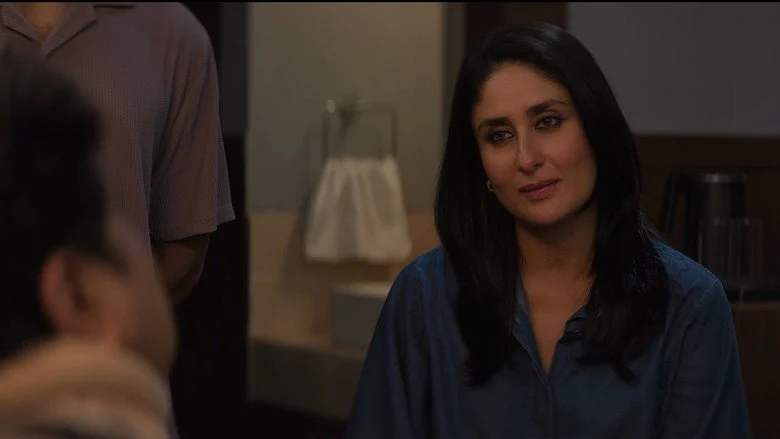
Tabu’s IG Meera Deshmukh returns with a colder resolve, her grief now weaponized into professional obsession. She delivers a monologue about justice versus law that ranks among the franchise’s best-written exchanges, and she makes every word land.
Jaideep Ahlawat arrives as a character whose allegiance remains unclear for most of the runtime, and his brooding presence adds a welcome unpredictability. Prakash Raj, in a role that feels tailor-made for his gravitas, provides the film’s most unsettling confrontation, a single stare that says more than pages of dialogue.
Rajat Kapoor as Mahesh Deshmukh gets limited scope but uses it well, embodying a husband torn between loyalty and truth. Ishita Dutta and Mrunal Jadhav continue to ground the family dynamic, though their arcs feel underwritten compared to the previous installment.
The Franchise Gamble: Fresh Faces, Familiar Formula
The decision to introduce Ahlawat and Prakash Raj is a calculated risk that mostly pays off. It signals that Drishyam: The Conclusion wants to be more than a victory lap, it wants to complicate Vijay’s moral universe.
For audiences who loved the original’s airtight plotting, this sequel’s looser structure may frustrate. But for those who have followed the franchise’s evolution, the willingness to let new antagonists challenge Vijay’s supremacy is a bold creative choice.
If you’re a fan of measured Hindi thrillers that reward patience, browse more Hindi Unavailable reviews on our site.
Verdict: A Worthy Conclusion That Doesn’t Outstay Its Welcome
Drishyam: The Conclusion is not the flawless puzzle its predecessor was, but it is a confident, actor-driven thriller that understands its strengths. The film’s willingness to hand the spotlight to its antagonists keeps the franchise feeling alive, even when the plotting strains.
Watch it for Tabu’s icy authority and Ahlawat’s magnetic ambiguity. The best format is a dark room with a good sound system, this is a film that lives in its silences.
Drishyam: The Conclusion earns a solid 3.5 out of 5, a smart, slightly uneven thriller that trusts its veterans and gambles on its newcomers.
For another look at a franchise sequel navigating fresh tensions, check out Your s review.
If you want a similar study in withheld information and slow-burn suspense, see Jeevan Bheema verdict.