Unmadham (2026): Kunchacko Boban Makes lifts key stretches, not the full runtime


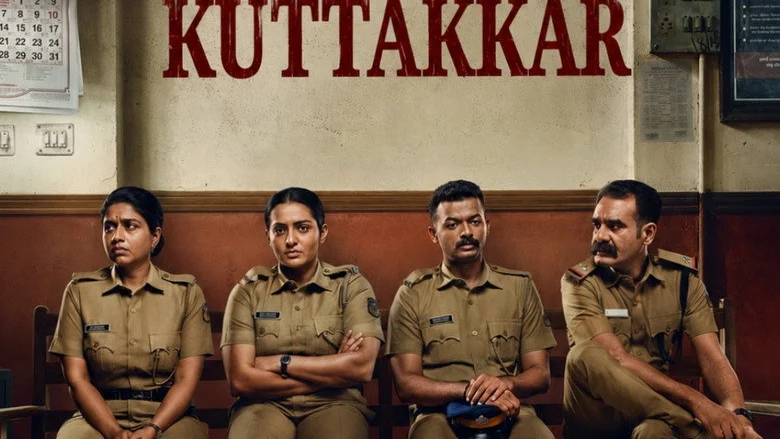
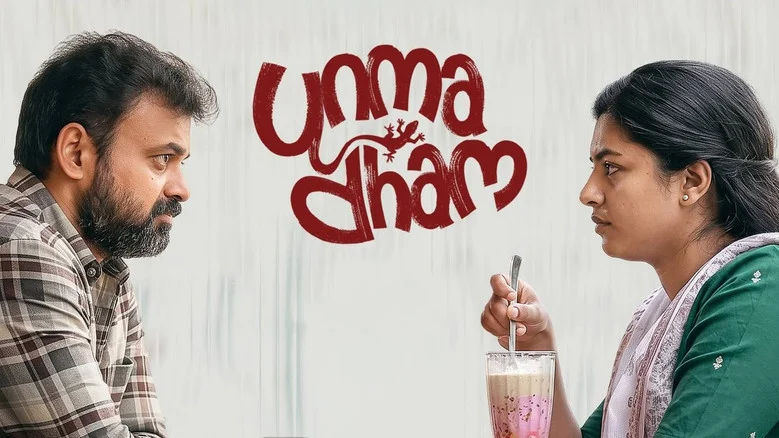
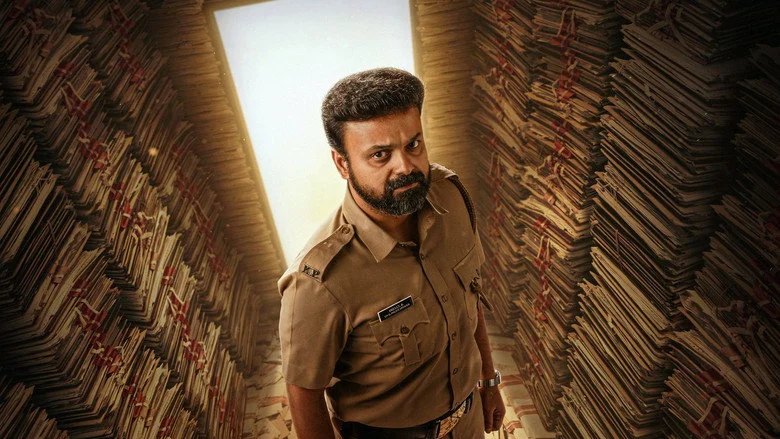
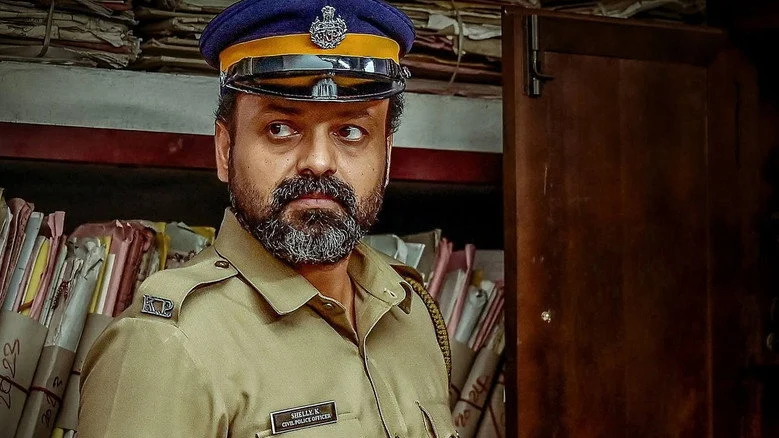
There’s a moment early in Unmadham when Shelly, a civil police officer nursing dreams of becoming a scriptwriter, pulls out an old case file that every officer at the station refuses to touch. The superstition around it is thick enough to cut, and Kunchacko Boban’s quiet curiosity makes you lean in with him.
This is a crime thriller for those who like their mysteries slow-burning and their heroes internally conflicted. Just don’t expect the embers to catch fire by the end.
Kunchacko Boban Makes Shelly’s Dual Obsession Feel Real
Boban carries Unmadham on his shoulders, and he does it with the kind of understated conviction that makes you forget you’re watching a performance. His Shelly is a man torn between the rigid logic of police procedure and the wilder instincts of a storyteller.
The strongest stretches are the investigative ones, where Boban lets the character’s internal conflict play out in small gestures and weary glances. He makes you believe that this man sees the case not just as a duty, but as a story begging to be told correctly.
Kiran Das Builds A Hook, Then Loses The Thread
Director Kiran Das and writer Shahi Kabir deserve credit for a premise that feels genuinely fresh: a cursed file that punishes those who handle it. The meta-narrative angle, connecting Shelly’s screenwriting ambition to his investigative logic, is a smart idea that gives the film a distinctive texture.
But the screenplay’s linear structure starts to sag in the second half. The pacing weakens, and the resolution, as one review put it, feels like “fresh ideas diluted by dated resolutions.” The setup promises more than the payoff delivers.
The Procedural Core Works Best When It Trusts The Superstition
Unmadham is a police procedural at heart, but its real engine is institutional fear. The station’s collective belief that the file is cursed creates a tension that pure logic alone couldn’t generate. Watching Shelly reopen the file and trace the chain of incidents that befell previous officers is the film’s most compelling stretch.
The genre craft here is about atmosphere rather than action. There are no big setpieces, no stunt choreography, just a man, a file, and a growing sense of dread. That restraint is admirable, but it also means the film has few genre highs to speak of.
The investigation itself is engaging in its early stretches, but the procedural handling gets called “convenient” by critics. The mystery’s internal logic doesn’t always hold up under scrutiny, and the climax leans on explanations that feel a little too neat for the messy web of superstition the film initially weaves.
A Supporting Cast That Signals Intent More Than Impact
Lijomol Jose and Siddique are confirmed presences here, though their specific contributions aren’t detailed in available coverage. Their casting signals a commitment to reliable, experienced performers who can ground the film’s more fanciful elements.
Sudheesh and the rest of the ensemble fill out the station’s world, giving Boban’s Shelly a believable professional environment to push against. Their roles may be functional rather than flashy, but they provide the institutional backdrop that makes the curse narrative work.
A Modest Opening And A Familiar Verdict
The film opened to just ₹0.70 crore net in India, per Cinema Express citing Sacnilk, and its first week total reached ₹3.43 crore net domestically, according to Koimoi. Those numbers tell the story of a film that couldn’t translate critical goodwill into commercial momentum, eventually closing as a flop.
There’s no political controversy to dissect here, which is refreshing in its own way. The conversation around Unmadham is purely about craft, and that conversation is split. The Week’s 4.5 rating suggests real affection for what the film attempts, even as other voices note that it’s “a convenient police procedural with few genre highs.”
I found myself wishing the film trusted its own premise a little more, leaning into the curse’s ambiguity rather than explaining it away. The audience complaints echo the critics: the pacing weakens, the ending feels conventional, and the payoff is weaker than the promise.
The film works best as a character study of a man caught between two ways of seeing the world. As a thriller, it’s a slow burn that never quite ignites. For Boban’s performance alone, it’s worth a watch on Sony LIV, but manage your expectations for the final act. If you want a tighter mystery with a more satisfying procedural payoff, you might find yourself checking out other Malayalam dramas that handle this material with more precision.
Unmadham is a film with a great first chapter and a serviceable conclusion, anchored by a lead who deserves a script that matches his commitment. I’d call it a 2.5 out of 5, a watch for Boban fans, a skip for those who need their thrillers to land the ending.
For more Malayalam Thriller reviews, browse our extensive collection of regional cinema coverage.
Fans of Boban’s measured intensity might also appreciate how Sathyavan Savithiri review handles its own courtroom tension with similar restraint.
And if you prefer your mysteries with a lighter touch, Maharaja Hostel verdict offers a different take on supernatural themes.