Soulmates – Oru Saathukkudi Pranayam (2026): Joel Davis Crafts lifts key stretches, not the full runtime


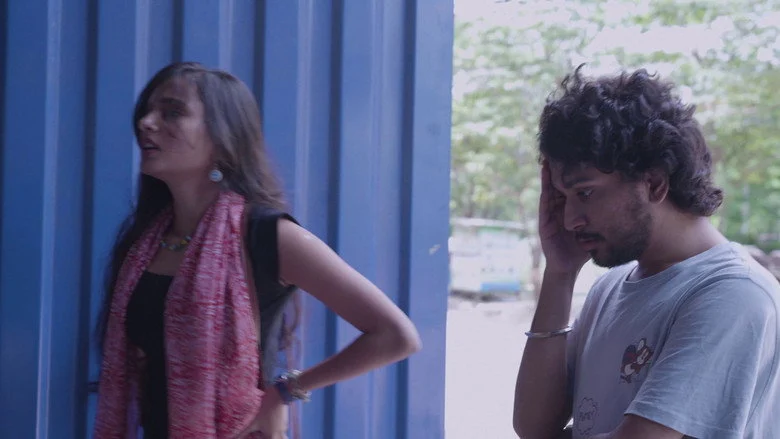
Joel Davis’s Malayalam short film arrives with the unmistakable energy of content engineered for the feed, not the theatre. It is a romantic-comedy built around exaggerated courtship rituals between Nandan (Vineeth Vishwam) and Sayoojya (Parvathy Ayyappadas).
The framing is deliberately satirical, positioning modern love as an absurd spectacle. This is a film that understands its primary platform is the smartphone screen, and it plays to that gallery without apology.
Vineeth Vishwam and Parvathy Ayyappadas Sell the Absurdity
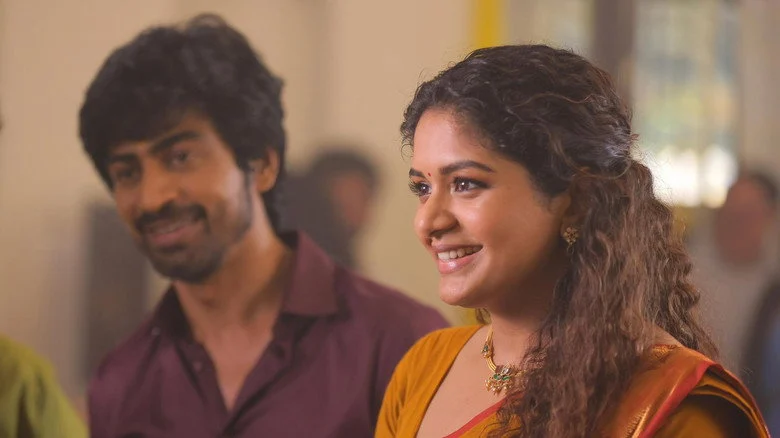
Vineeth Vishwam commits to the heightened register with a straight face, which is precisely what the material demands. His delivery of the exaggerated romantic dialogue suggests an actor in on the joke, never winking too hard at the audience.
Parvathy Ayyappadas matches his energy, grounding the farce with a reactive presence that keeps the scenes from floating into pure caricature. Their chemistry is less about simmering tension and more about rhythmic comic timing.
The duo understands that the film’s success hinges on their ability to make the ridiculous feel earnest. They succeed in creating a dynamic that is watchable even when the premise is wafer-thin.
The Genre-Core Execution Is a Study in Digital-Era Craft
As a romantic comedy, the film skips the slow burn entirely, opting for a rapid-fire assault of quirk. The craft is centered on the joke, with scenes structured to land a punchline or a meme-able moment within seconds. This prioritization of shareability over narrative depth is a deliberate stylistic choice.
The most discussed craft decision is the placement of a devotional song during romantic scenes. This ironic juxtaposition reportedly drove much of the online chatter, functioning as a sonic gag that reframes the romance as something slightly unhinged. It is a bold, culturally specific joke that lands because of its incongruity.
There is no pretense of cinematic scope here; the editing and pacing are built for quick consumption. The film’s discussion centered more on its presentation than its plot complexity, which tells you everything about its ambitions. It is a sketch, not a symphony, but it is a very well-tuned sketch.
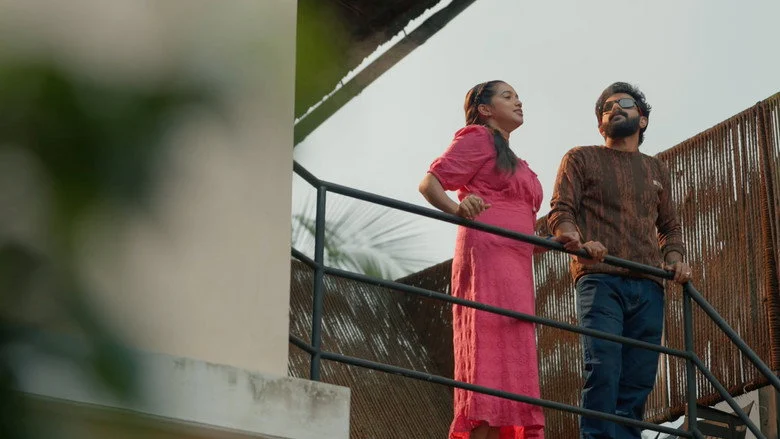
Nivin Pauly and Mamitha Baiju Elevate the Promotional Pull
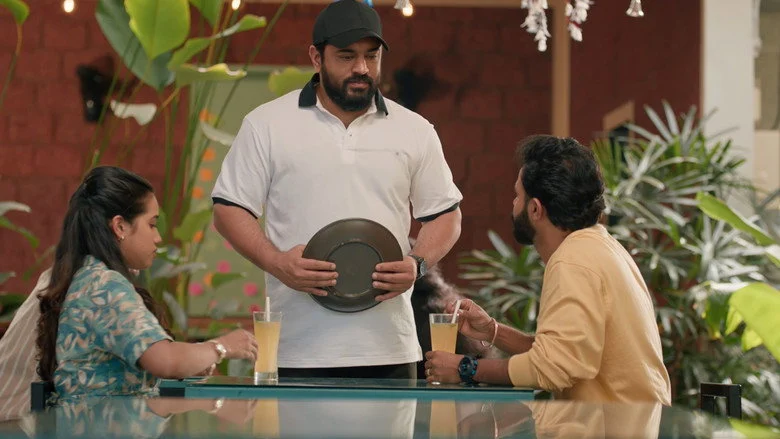
The guest appearances by Nivin Pauly and Mamitha Baiju are the film’s biggest mainstream hooks. Their inclusion signals a production savvy that understands the value of star power in a short format, lending instant credibility to the project.
Pauly’s cameo presence alone justifies a portion of the film’s promotional appeal, while Baiju’s appearance rounds out the star quotient. Their roles are brief, but they anchor the film within the larger Malayalam cinema ecosystem. I suspect their casting was the easiest decision Joel Davis made.
The Audience Is the Final Arbiter Here
With no verified critical consensus or box office data available, the reception rests entirely on the audience’s appetite for viral content. The film has gained attention online for its humorous, meme-friendly romantic tone and its unusual dialogue style, which suggests it has found its niche.
This is not a film for those seeking grounded realism or serious conflict. It is a piece of entertainment that knows its target audience is scrolling, and it has been crafted to stop that thumb.
For those who enjoy short-form comedy and cameo spotting, this is a pleasant diversion. For those expecting a conventional feature-length drama, this will likely feel like a glorified advertisement for its own style.
It is a snack, not a meal, but a well-seasoned one at that. If you are a fan of Malayalam cinema’s lighter side, this is worth the few minutes it demands.
For more on the evolving landscape of regional storytelling, browse our Malayalam Drama reviews.
Soulmates – Oru Saathukkudi Pranayam is a sharp, self-aware piece of digital entertainment that knows exactly what it is. I would recommend it for its sheer comedic efficiency, though its slightness earns it a modest 2.5 out of 5.
For a deeper dive into a film with similar visual ambition but a different narrative scope, check out Poovellaam Kettuppaar review.
If you are curious about another Malayalam film that relies on star power over substance, Toxic verdict offers a contrasting case study.