Romanchakam (2026): A Buddy Comedy That Loses Its Romantic Way


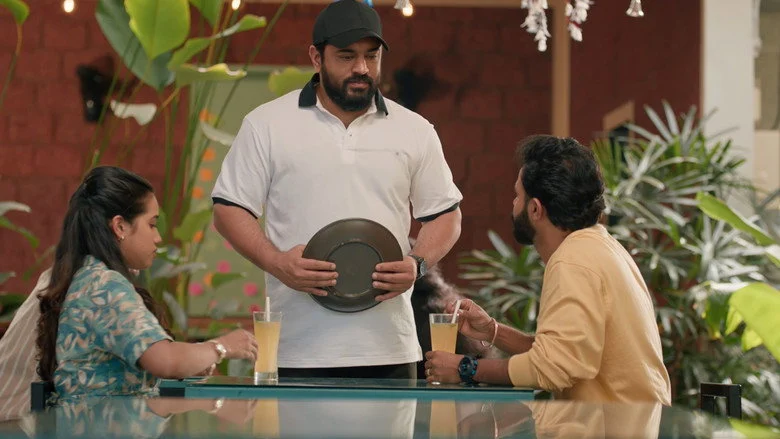
Sumanth Prabhas is mid-laugh with his gang when the film suddenly remembers it is supposed to be a romance, and the gear shift is audible. That awkward transition, from effortless comic banter to labored emotional conflict, defines Romanchakam, a Telugu romantic comedy that knows exactly what it does well and spends too much time avoiding it.
Anvesh’s Startup Dream Gets Lost in Transit
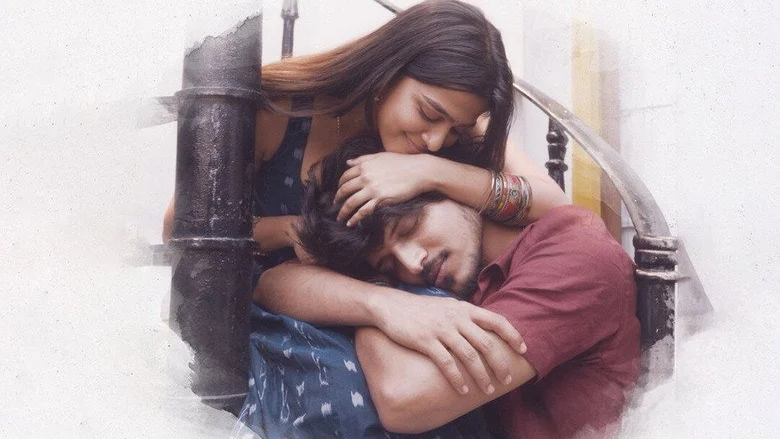
Anvesh, a fresh engineering graduate, launches a dating app called Romanchakam with his friends, only to become its most complicated user. The premise is timely, but the screenplay treats the app as a plot device rather than a satirical opportunity.
His online connection with Mythili (Ananthika Sanilkumar) builds through the early stretches, yet the film never commits to making this digital romance feel lived-in. The Hyderabad-to-Chennai journey that follows exposes the screenplay’s structural laziness, the travel is literal, but the emotional distance between the leads remains unexamined.
Venu Gopal Reddy’s Direction Favors Gags Over Feelings
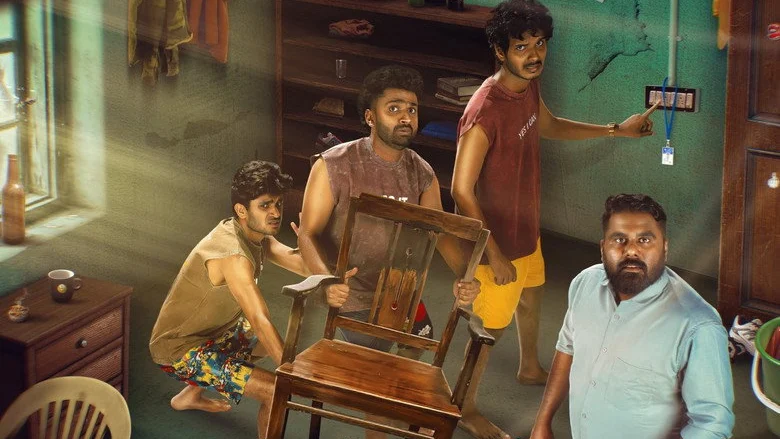
Director Venu Gopal Reddy demonstrates a clear strength: keeping the friends’ gang sequences loose, energetic, and genuinely funny. These stretches carry the film with a rhythm that suggests a confident comedy director at work.
But the same hand fumbles whenever the script demands gravitas. The emotional passages land with a thud, and the romantic conflict, built around Mythili blocking Anvesh after he surprises her at a Chennai hotel, feels manufactured rather than organic. Reddy trusts his comic instincts but abandons them exactly when the story needs emotional stakes.
One reviewer noted the film “takes a slow start, ” and that pacing problem is structural. The first half meanders through setup without earning the second-half payoff, leaving the romance to play catch-up with the comedy.
The Dating-App Comedy Engine Runs on Friendship
The dating-app premise functions best as a launching pad for the gang’s antics rather than a genuine exploration of modern romance. When Anvesh and his friends brainstorm app features or react to match notifications, the film finds its comedic footing.
Critics consistently flagged these scenes as the film’s saving grace. As one review put it, “The comedy sequences involving Sumanth Prabhas and his friends’ gang are the film’s mainstay and drive the momentum forward.” The group dynamic, built on rapid-fire exchanges and shared embarrassment, compensates for the thin romantic thread.
But the Chennai hotel sequence, where the film shifts from comedy to near-thriller territory as Anvesh waits for a Mythili who has switched off her phone, exposes the tonal imbalance. What should be a poignant turning point becomes frustrating because the relationship never earned that weight. The emotional stretch, as multiple critics observed, “could have been handled more effectively.”
Sumanth Prabhas Anchors the Comedy, Struggles With the Heart
Sumanth Prabhas delivers his best work in the buddy-comedy stretches, where his timing and physicality elevate otherwise standard material. His Anvesh is convincing as a young man chasing a startup dream while tripping over his own romantic naivety.
But when the script demands vulnerability, Prabhas’s performance flattens. The emotional register he reaches for in the Chennai conflict never matches the authenticity of his comic scenes, leaving Anvesh feeling like two different characters in one film.
Ananthika Sanilkumar’s Mythili is the film’s narrative hinge, her decision to block Anvesh drives the entire second half, yet she remains underwritten. The supporting ensemble of Venkatesh Kakumanu, Narendra Ravi, Mani Aegurla, and Sai Sohan functions as a well-oiled comic unit, each contributing to the group’s banter without any single performance overshadowing the collective rhythm. Upendra Limaye’s presence suggests a conventional antagonist, but the film wisely avoids that route, keeping the conflict relational rather than villainous.
A Messy Romance That Works Best When It Stops Trying
The film’s identity crisis is its own undoing. When Romanchakam commits to being a buddy comedy, it succeeds, the gang scenes are genuinely entertaining, and the light tone keeps things watchable. The moment it pivots to romance, the cracks show.
Sacnilk reported an opening day India net of ₹1.50 crore, suggesting modest audience interest. The BigTVLive aggregate of 2.75 out of 5 captures the film’s split personality accurately. One critic called it “a messy love story that’s frustrating to watch, ” which feels harsh only because the comedy sequences prove the filmmakers can do better.
For viewers seeking undemanding Telugu comedy with friends, this delivers in stretches. Those hoping for a coherent romantic arc will leave disappointed, the film’s emotional payoff never justifies the setup. I found myself wishing the screenplay had trusted its comic instincts and trimmed the romance to a subplot.
Watch it for the gang chemistry, skip it if you need your love stories to make sense. Romanchakam earns a generous 2.5 out of 5, a time-pass comedy that forgot its own genre halfway through.
For more Telugu comedy reviews, browse our latest coverage.
If you enjoyed this take, explore our analysis of Soulmates Oru review.
See how another young romance handles its emotional arcs in Soulmates Oru verdict.