Max, Min and Meowzaki (2026): A Cat-Fueled Breakup Comedy That Risks Emotional Overload


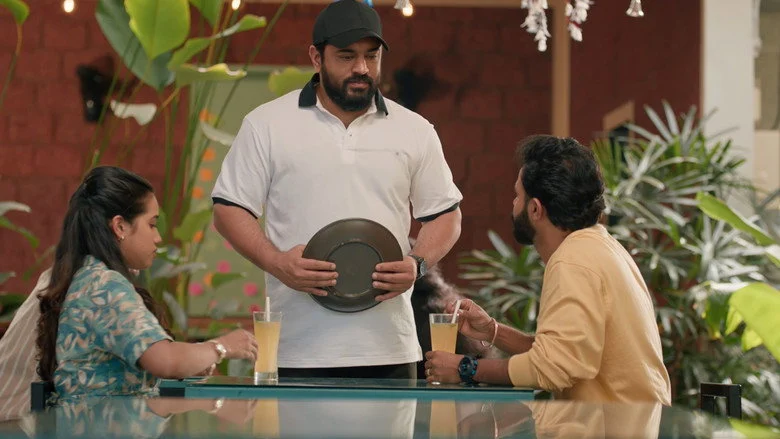
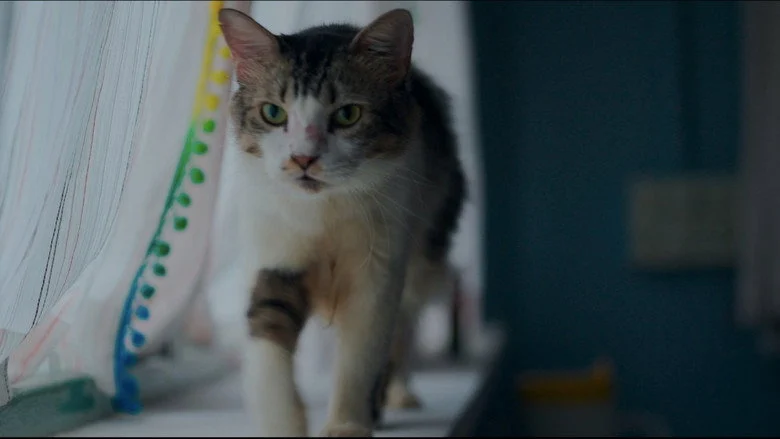
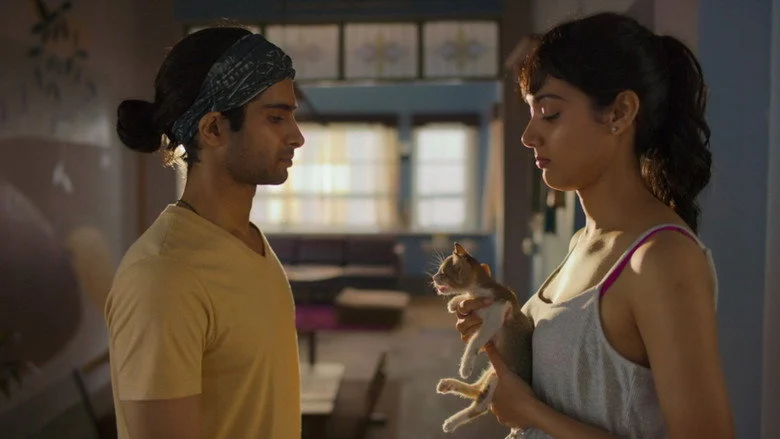
Two people sit across a table, dividing a life. Max and Min argue over a cat named Meowzaki like it’s a contested asset.
This opening scene is sharp, uncomfortable, and funny, it signals a film willing to mine domestic fissures for comedy.
Adil Hussain and the Therapy Thread That Nearly Steals the Show
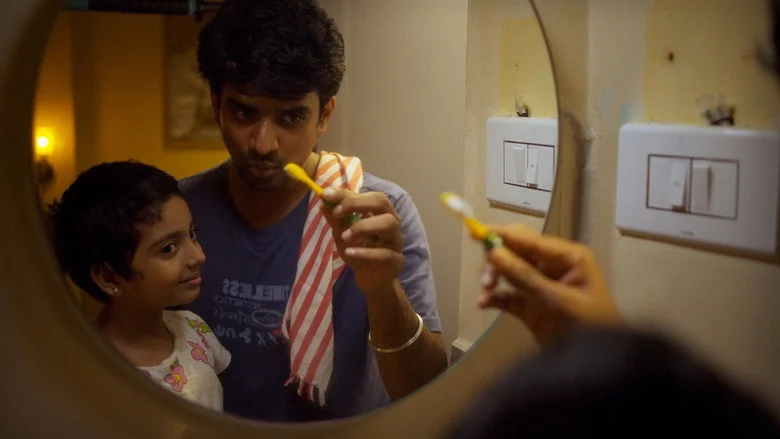
Hussain plays Ramesh, a widower drowning in insomnia and grief. His scenes with Mandira Bedi’s therapist Dhaara are the film’s quietest and most affecting.
Where the younger couple’s conflict feels performative, Hussain lands every silent pause with worn-down credibility.
Bedi serves as more than a plot function, her calm presence gives Ramesh’s arc a necessary counterweight.
Nassar and Nafisa Ali: Nursing-Home Rebellion With Genuine Charm
Sridhar and Jennifer share covert drinking sessions in a nursing home. It’s a subplot that could have been a cliché.
But Nassar plays Sridhar with mischievous restraint, and Ali’s warmth makes their companionship feel earned.
This thread offers the film’s most surprising emotional reward: generational contrast without judgment.
A Multigenerational Gamble That Overstuffs the Plate
The film weaves three generations of the Mahadevan family into one screenplay. The risk is clear: too many cooks in the emotional kitchen.
Ramesh’s therapy arc, the breakup custody fight, and the nursing-home romance jostle for space. Not every strand gets its due.
For viewers who enjoy layered family dramas beyond formula, Hindi Romance reviews at the same site offer more controlled examples of this craft.
Festival selections at Busan and Palm Springs suggest the ambition was recognized, but on screen, the transitions between tones feel rough.
I wish the screenplay had trimmed one thread to let the others breathe.
Where the Comedy and Heartroom Collide Unevenly
As a comedy, the film works best in small bursts, the argument over Meowzaki’s “custody” lands a genuine laugh.
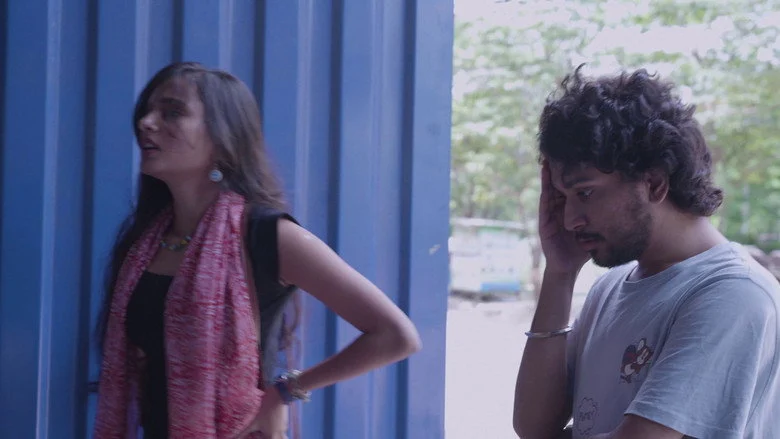
The romance is undercooked because Max and Min remain sketches rather than people we root for. Their chemistry lacks a defining beat.
The family drama leans heavily on therapy as a shortcut to emotional clarity, which weakens the resolution’s earned weight.
No Villain, But Plenty of Unresolved Tension
This is a film without a conventional antagonist. The conflict is relational: breakup grief, familial silence, private habits.
That makes it honest but also diffuse. The climactic act remains unclear from available information, a sign the third act may lack propulsion.
Nafisa Ali’s limited screen time as Jennifer suggests the elderly romance thread was underdeveloped rather than underutilized.
Who Should Watch and Who Should Skip
Go for Adil Hussain’s performance and the nursing-home chemistry. Skip if you need a tight, single-arc narrative.
Watch it in regular theatrical format, this film relies on ensemble presence, not spectacle.
Max, Min & Meowzaki earns a cautious 2.5/5: intriguing in pieces, but overstuffed as a whole.
For a tighter take on therapy and uneasy bonds, try LURK review.
The India Story similarly juggles performance and pacing, India Story verdict worth comparing.