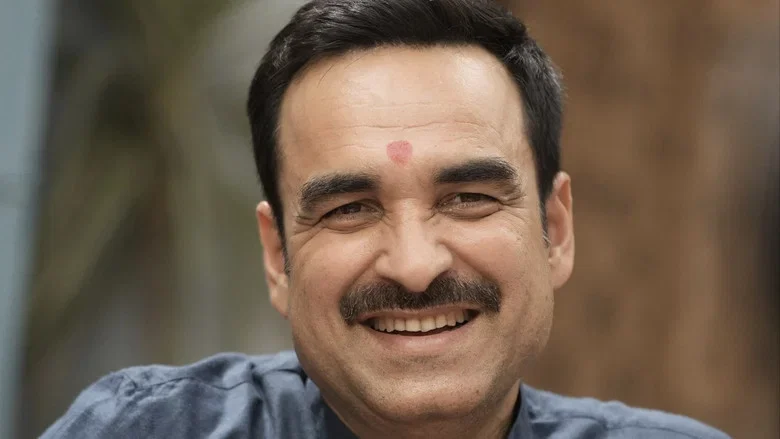
Parivarik ManuRanjan (2026): Pankaj Tripathi’s Bachelor Mansion Comedy Settles for Banality
A forty-year-old bachelor rattles around an ancestral Lucknow mansion with nothing but his routine for company. Then a woman arrives to manage the property, and the furniture starts to matter.
When A Bachelor’s Loneliness Becomes A Real Estate Problem
Varun V. Sharma opens on empty rooms and one man filling none of them, and the staging is the film’s cleanest idea. The mansion is photographed as an inheritance Ranjan Dubey has never quite inhabited.
Then Brijendra Kala’s well-wisher nudges him toward marriage, the matchmaking collapses, and the comedy of a settled man being told his life is incomplete begins. It’s a gentle engine, and it idles.
The screenplay, co-credited to Sharma, Kala and Ali Abbas Zafar, runs on proximity rather than incident. Employment puts Helen in the house, and the house does the rest of the work.
The Domestic Engine Runs, But Nobody Steps On The Accelerator
This is a romance built from shared corridors and divided responsibilities, and there’s real intelligence in how the film lets intimacy arrive through labour. Helen manages the property before she ever becomes a love interest.
What the middle stretch lacks is friction. The opposition is social prejudice, diffuse and unnamed, which means the second act has atmosphere but no adversary to push against.
Compare it to the sharper comic machinery of DNK, a peer release that at least commits to a plot with momentum. Here the escalation is a shrug dressed as restraint.
One published assessment dismissed the film as a wishy-washy no-brainer collapsing under its own banality, and that verdict lands because the material never risks a real reversal. The romance is pleasant. Pleasant is not the same as dramatic.
Tripathi’s Stillness And The Actress Who Gives It Something To Push Against
Tripathi plays Ranjan as a man who has arranged his solitude into furniture. Watch his hands when Helen first takes over the household, the small territorial hesitation of someone recalibrating what he’s allowed to want.
The performance is all lowered register and sideways glances, a deliberate withholding that recalls the comic gravity he located in Mirzapur. He is the film’s most reliable asset.
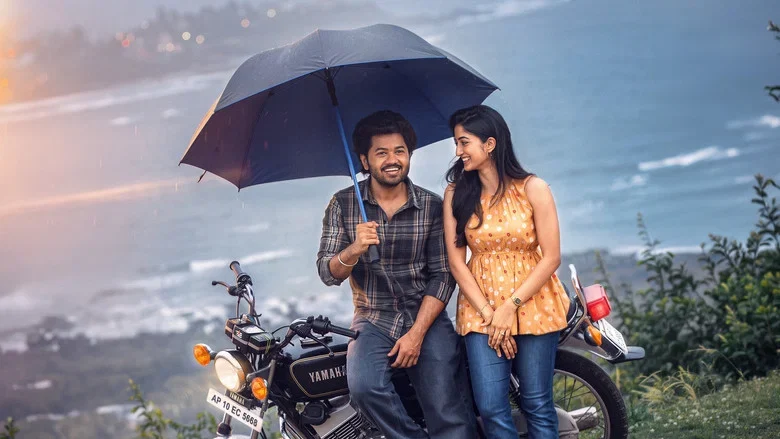
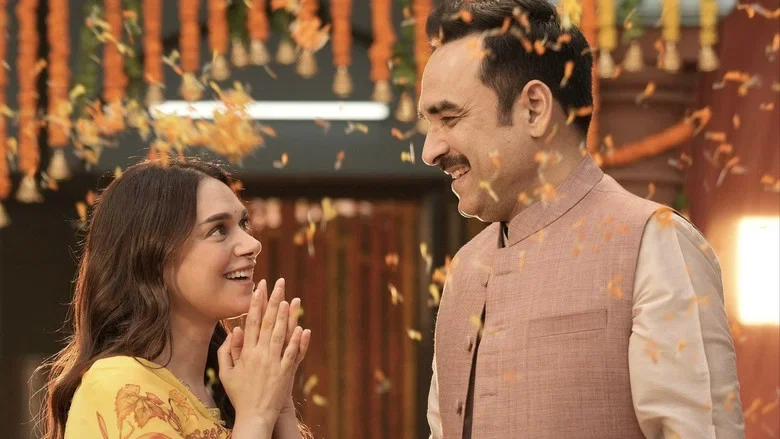
Aditi Rao Hydari meets him with a professional briskness that slowly softens, and the pairing has a genuine adult warmth. Their first collaboration is the reason to sit through the sag.
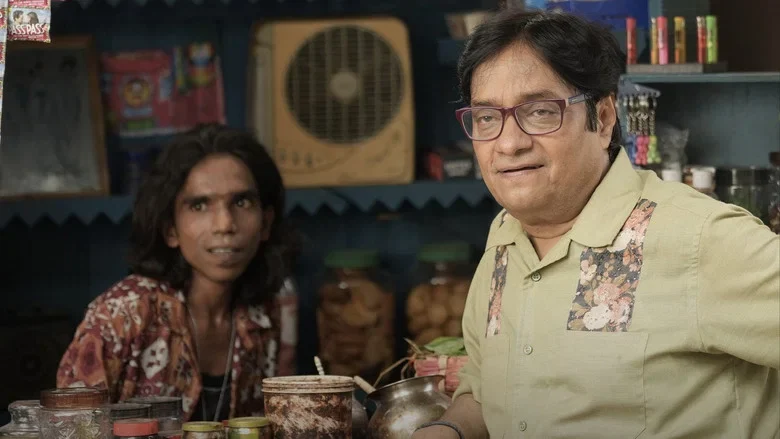
Kala, who also wrote the dialogue, functions as the social bridge between Ranjan’s private life and the community’s expectations. His scenes carry the film’s comic timing almost single-handedly.
Lucknow Light, A Mansion That Swallows Its Own Lead
The direction favours wide frames of the ancestral house, letting scale communicate loneliness without dialogue. It’s a sound instinct, though the visual grammar rarely varies once established.
Pacing is the casualty. The first half builds its domestic rhythm patiently; the second asks that same rhythm to carry weight it was never designed to bear.
The tonal register stays so even that the late shift toward family bonding and empowerment feels less like a climax than a change of subject. The film resists the kinetic sensationalism that overtook Pehla Pyaar Doosri Baar, but it also resists giving us a reason to lean forward.
Sony LIV, Bhanushali And The Economics Of The Skipped Theatrical
Bhanushali Studios and AAZ Films are steering this straight to Sony LIV rather than a theatrical window, and that decision reads as commercially honest. A contained Lucknow romance with no action hook was never going to win a Friday.
For Tripathi, the calculation is different. His theatrical leverage rests on being the reason a family books four tickets, and a direct-to-streaming vehicle neither tests nor builds that. It parks it.
The broader pattern across contemporary Hindi comedies is a widening split between spectacle for cinemas and intimacy for living rooms, and this film lands firmly on the quieter side of that ledger.
The Uncomfortable Resolution: A House Full Of People, Still No Conflict
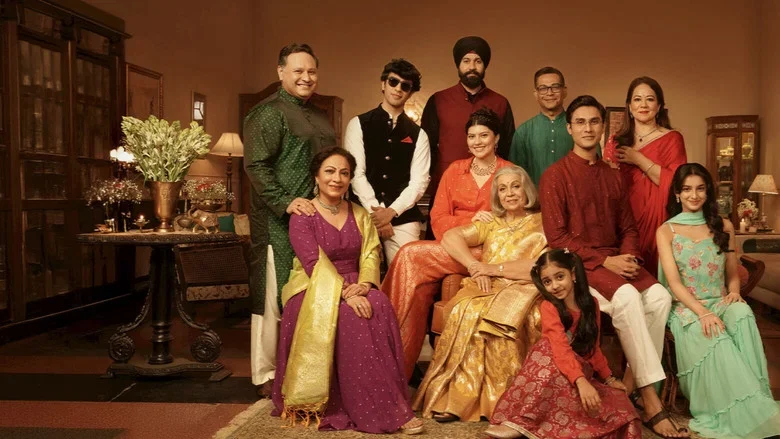
The ending resolves toward acceptance and family warmth, and it’s earned in the small currency of domestic detail rather than grand confrontation. Whether that satisfies depends entirely on what you came for.
What lingers is the image of that mansion finally occupied, and the suspicion that the film mistook filling a house for filling a story.
Parivarik ManuRanjan is a warm, well-performed, structurally underpowered romance that trusts its leads to carry material the script never sharpens. Tripathi and Hydari deserve a film that gives them something to fight for.