Pradhama Dhrishtya Kuttakkar (2026): Parvathy Thiruvothu Makes lands hard though the screenplay stays patchy


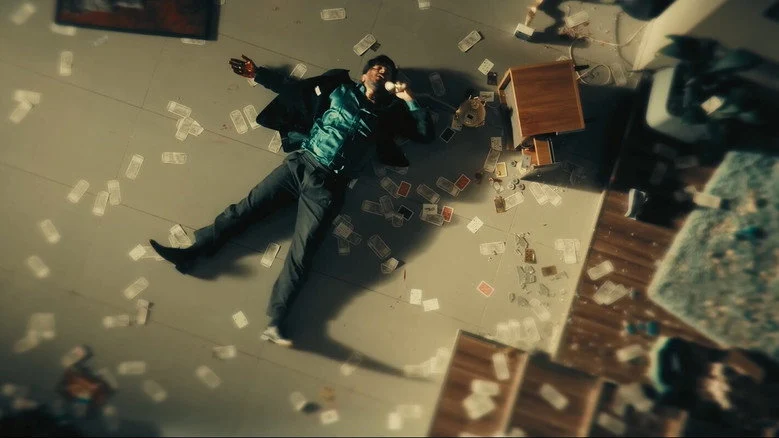
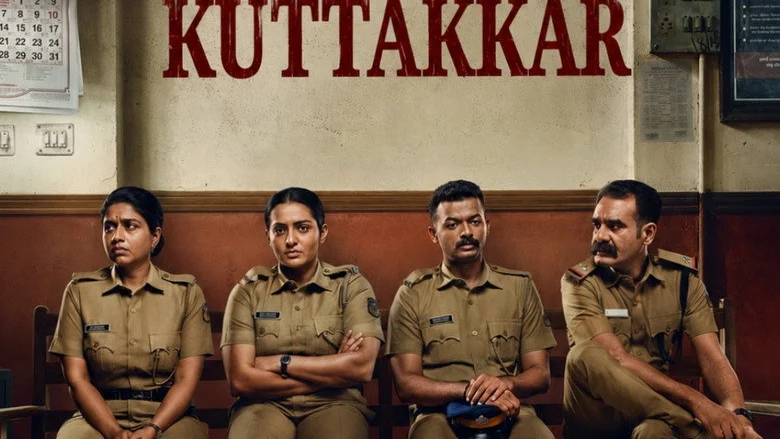
A body in custody, four junior officers deciding in real time how much of the truth they can bury, opening jolt of Pradhama Drishtya Kuttakkar. What follows is less a chase than a slow squeeze: a Nattakom station where discrepancies become traps, and the men who built it must investigate themselves.
Parvathy Thiruvothu Makes Aleena’s Composure Do the Interrogating
Aleena Abraham joins the force through a compassionate appointment after her husband’s death, and Parvathy Thiruvothu plays that grief as ballast rather than decoration. She is observant and procedural, never inflated into a super-cop. Fear and confrontation with Haris Meeran sit on the same composed face.
The performance works because it refuses the obvious beats. Where another actor might reach for a breakdown, Parvathy keeps Aleena at working temperature, and the tension comes from what she declines to show. That restraint is a choice, and it holds.
Her scenes opposite the senior investigator are the ones to watch. She absorbs his questions, measures them, and answers only what survival allows, a junior officer learning that composure is a tactic, and that the room is always recording.
Shahad Nilambur Builds a Station That Watches Back
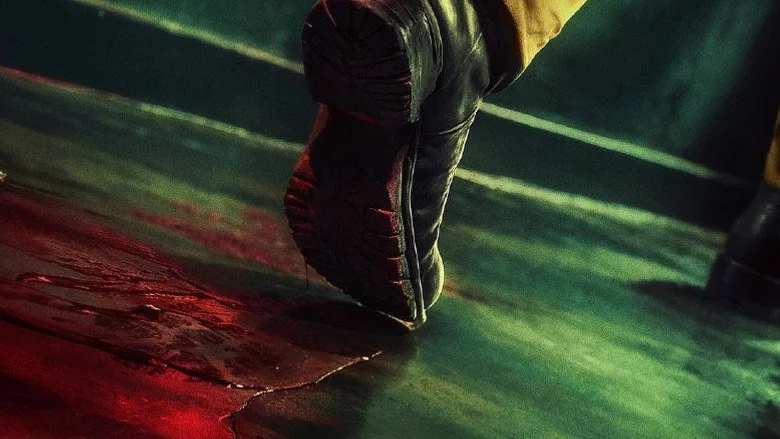
Shahad Nilambur’s strength is architecture: the station becomes a machine of constant watching, and Roby Varghese Raj’s camera keeps the walls uncomfortably close. Contained framing turns an ordinary police post into a pressure chamber, where nobody moves without being seen, and every corridor feels like a witness.
The News Minute called the writing by PS Subramanian and Vijesh Thottungal the film’s biggest strength, and the procedural texture earns that praise. Retired-officer detail gives the interrogations a documentary grain that the plotting rarely matches.
The flaw is discipline. At 161 minutes the finale stops tightening the screw and starts repeating it, and I would have cut twenty of those minutes without losing a single idea.
Four Officers, One Body, and a Cover-Up That Keeps Cracking
The cover-up is the engine. Four junior officers improvise a story around a custodial death, and the film’s pleasure is watching trained investigators turn their own knowledge against themselves. Early discrepancies at the station land like small detonations, each one narrowing the exit.
Haris Meeran’s entrance resets the room. Vijayaraghavan builds the investigator’s stature slowly, and the mentor-mentee dynamic with Aleena turns inside out as procedure becomes a weapon pointing both ways. Those confrontations are the most controlled filmmaking here.
Where the genre usually races, this one sits and studies its suspects, and the claustrophobic station sequences are genuinely well built. Yet the ethical questions stay under-explored, and predictable turns drain suspense the film had already earned. A tighter cut, and sharper moral stakes, would have hit considerably harder.
Mathew Thomas and Sidharth Bharathan Carry the Guilt in Their Bodies
Mathew Thomas plays the unit’s driver Sreenath with a restlessness that pulls him past his familiar register. He is the youngest in the room and the quickest to understand what silence costs. His casting suggests the film wants guilt to look ordinary rather than monstrous.
Sidharth Bharathan plays Dasan almost entirely through his body, which suits a man who acts before he thinks. The guilt shows in how he stands, never in what he says, and his physicality gives the cover-up a sweating, animal quality.
Unnimaya Prasad’s Divya Abhilash is grounded and unshowy, exactly what an ensemble of this shape needs. She makes the unit feel like a workplace rather than a plot device, and the film is steadier whenever she shares the frame with Mathew Thomas’s anxious driver.
The genre has been unusually strong recently, and our Malayalam Thriller reviews keep pace with every new procedural that lands.
No Scandal Here, Only a Verdict Split Down the Middle
There is no political controversy attached to this release; the argument is entirely about craft, and about how long a good idea can be stretched. The Times of India was unsparing with its 2/5 verdict, arguing that an unfocussed script lets a premise that could disturb and provoke falter.
The News Minute disagreed, calling it “a gripping and thoroughly enjoyable thriller”. Early BookMyShow audiences are trending positive on the tension, though the length and a soft final act surface repeatedly in complaints.
The most revealing note in early audience reaction is empathy. Viewers admit they begin hoping the officers escape the consequences of their crime, which is exactly the discomfort the film is chasing. No verdict can settle that feeling.
Watch it in a theatre if you like procedurals built from texture rather than gunfire; the station’s claustrophobia plays best on a big screen. Expect a first half that earns its tension and a final act that spends some of it. Anyone wanting clean heroics or a brisk two hours should wait for streaming.
For another study of grief folded quietly into daily duty, America America review walks a similar line.
Pradhama Drishtya Kuttakkar is an intelligent, overlong procedural that gets the moral unease right and the pacing wrong, 3 out of 5.
Both this procedural and Maremma verdict treat patience as a deliberate formal choice rather than an accident.