
DNK (2026): Mouli Headlines a Heist Comedy That Never Quite Pays Off
The jewelry-store glass breaks early, and so does any pretense of a clean crime comedy. Sreenu Kambala’s DNK wants to be a domestic farce and a heist picture at once, and for long stretches it is neither.
A College Dropout Whose Fingers Itch Before His Brain Engages
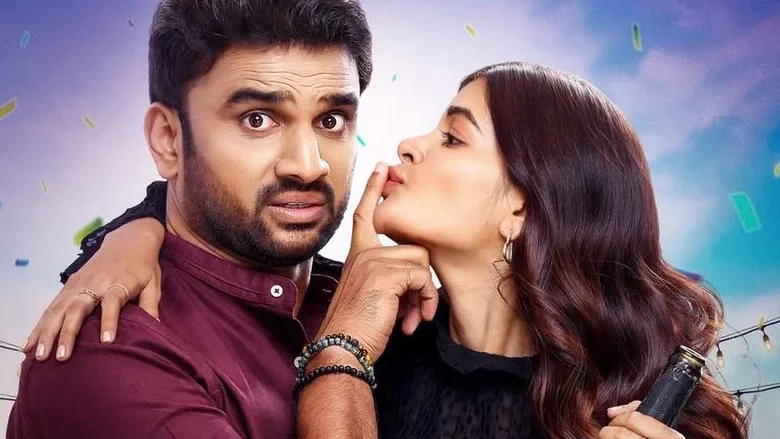
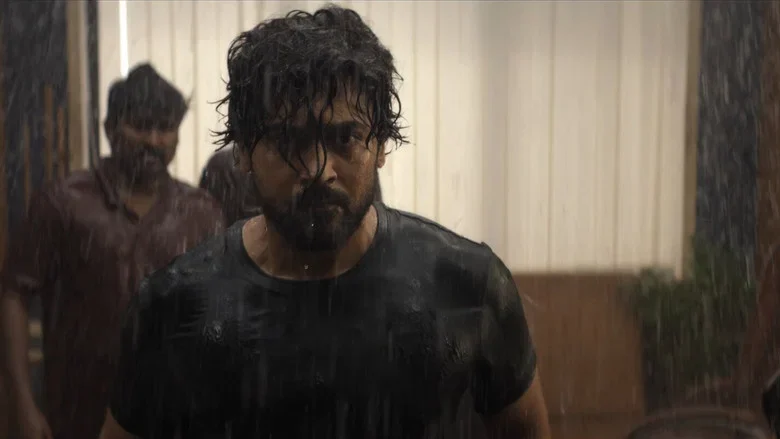
Eeshwar is introduced mid-theft, a college dropout with a compulsion that the film treats as both punchline and pathology. Mouli plays the itch with a fidgety physical restlessness, fingers drumming, eyes darting toward unattended cash, that lands the character’s wiring before the plot asks him to carry it.
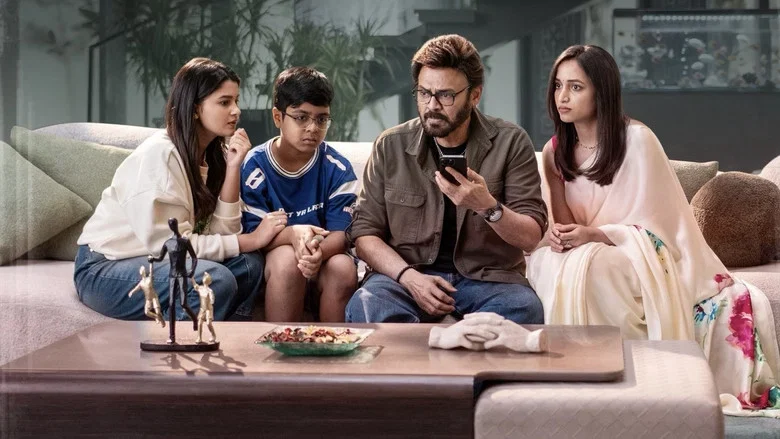
The household is the film’s first real joke: parents who count coins with more tenderness than they extend to their son. That money-minded chorus is the script’s smartest engine, because it makes Eeshwar’s larceny feel inherited rather than invented.
Then the jewelry-shop plan arrives, and the film shifts gears from behavioral comedy to caper mechanics. The transition is where the seams show.
When the Heist Stops Being Funny and Starts Being Homework
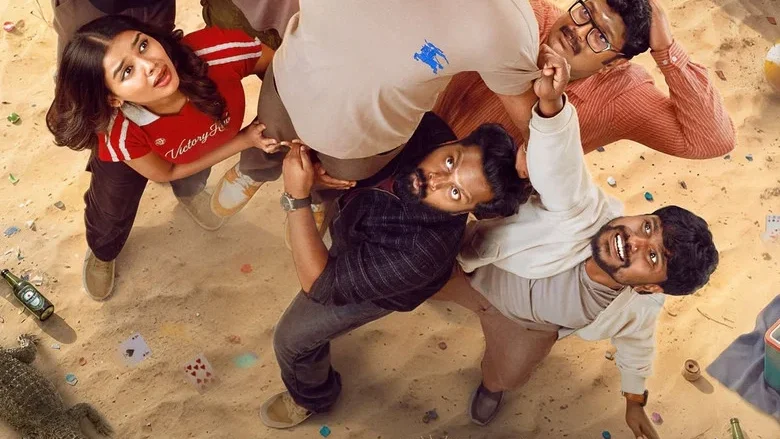
The middle act expands the robbery into a family crisis, dragging the girlfriend, the close friend, and the wider household into the fallout. It is a structurally sound escalation on paper, every complication redounds on someone who shares Eeshwar’s blood or bed.
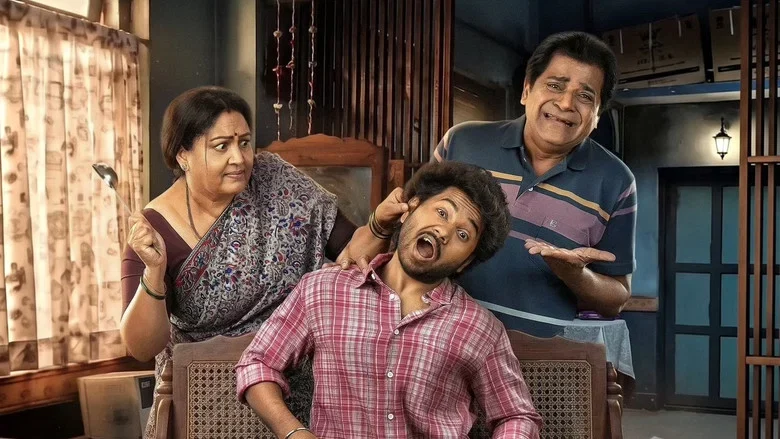
On screen, the complications pile up faster than the film can dramatize them. Ali, as the friend pulled into the mess, gets the film’s most reliable laugh through sheer facial panic in a corridor confrontation, but the screenplay keeps him at arm’s length from the actual stakes.
This is the tonal tightrope that #Cult also walked, and the comparison is instructive: both films mistake accumulation for escalation, stacking incidents until the emotional throughline thins to a thread.
The Stillness That Almost Saves the Third Act
Where Kambala shows real instinct is in the quiet beats between the noise. A mother’s hand hovering over a telephone receiver, a father’s jaw tightening before he lies to a neighbor, these micro-gestures carry more tension than any chase the film stages.
Mouli is at his best in the aftermath, not the act. The hangdog slump he wears when the family gathers to clean up his mess registers as genuine shame, and it briefly lifts the film above its sitcom rhythms.
It is the kind of behavioral detail that Angelina chased with more discipline, and the contrast makes clear where DNK loses its grip: it keeps cutting away from the moments that matter.
Where the Camera Betrays the Comedy
The visual grammar is functional in the worst sense, flat, evenly lit interiors that flatten the distinction between the family home and the crime scene. A heist picture needs spatial tension; here the jewelry store feels like a living room with better display cases.
Pacing is the bigger offender. The first half spends too long establishing Eeshwar’s habit through repetition rather than variation, and the second half races through the complications that should have been the film’s meat.
At two hours and sixteen minutes, the film has room to breathe and no idea where to exhale. The score pushes when it should recede, and the editing cuts on the laugh rather than letting it land.
The Commercial Arithmetic of a Mid-Budget Telugu Comedy
The producing banners behind DNK are betting on the familiar Telugu comedy-drama template, recognizable family conflict, a star with comic goodwill, a heist for structure. That bet has paid off before, but the market is crowded and the audience is discerning.
Mouli’s theatrical leverage is real but narrow; his draw depends on word-of-mouth from the family audience that this film is clearly courting. Without a distinctive hook beyond the premise, the film’s commercial ceiling is modest.
The broader landscape of contemporary Telugu dramas is moving toward sharper, more authored work, and a film like this one risks looking like a holdover from an earlier era of the genre.
A Caper That Forgets to Cash In
The ending resolves the family conflict with a neatness that feels unearned, consequences are absorbed, lessons are learned, and the film exhales into a warm final scene that the preceding chaos has not prepared us for.
What lingers is not the heist or its resolution but the sense of a film that had the pieces for something sharper. The compulsive thief, the money-minded parents, the escalating mess, all of it is there, and none of it quite coheres.
Kambala’s instincts are real, and Mouli’s performance has moments of genuine texture. But DNK is a comedy that keeps reaching for the laugh instead of trusting the situation, and a heist that never quite figures out what it is stealing.
It is a film that understands financial desperation as a family disease, and then treats the diagnosis as a punchline.