Ghamela: Delzad Hiwale’s Underworld Short Fumbles Its Own Deadline
Twenty-eight minutes is a promise, not a courtesy. Vasudha Rungta’s ZEE5 short, built around a Dhanteras deadline and a Mumbai crime economy, spends most of its runtime forgetting it made one.
Delzad Hiwale plays Bharat, a man threading the underworld to secure a wish for his wife before the festival lands. The premise is lean enough to cut glass. The execution is another matter.
An Opening That Assumes Tension Instead Of Building It
The early stretches establish Bharat’s domestic obligation and his criminal exposure in parallel, and the film seems to believe proximity alone generates pressure. It doesn’t.
We watch him move through corridors and transactions, but the screenplay never anchors what he stands to lose in concrete terms. Obligation is stated. It’s never made physical.
A Festival Deadline That Never Actually Ticks
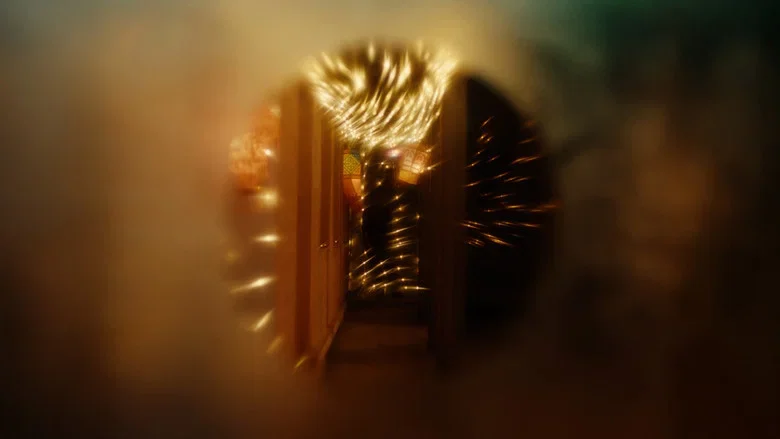
Dhanteras should function as a vise. Instead it operates as set dressing, a calendar page the film references without letting it squeeze anyone.
Compare what a genuinely tense chamber piece achieves with a single fixed constraint. Sooriyan Maraindha Maalai weaponizes stillness and a closed frame to manufacture dread from almost nothing. Ghamela has a clock, a city, and a criminal apparatus, and somehow generates less heat.
The compression that a 28-minute runtime demands becomes a liability here. Exposition is rationed so aggressively that motivation arrives undernourished, and escalation feels skipped rather than tightened.
Hiwale Holds The Frame; The Frame Doesn’t Hold Him
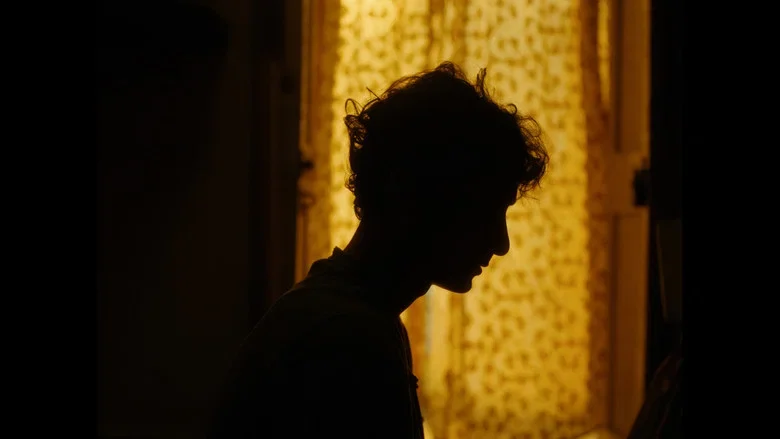
Hiwale’s register is quiet and watchful, and there are moments where he lets his shoulders carry the weight the dialogue refuses to. A pause before a transaction. A glance held a beat too long at a doorway.
But the film gives him nothing to push against. There is no antagonist with a face, no opposing will, no confrontation that forces a decision into the open. A crime drama without friction is just a commute.
Akshata Doddamani registers with warmth in the domestic passages, but the wife exists as a wish rather than a person. The emotional engine of the entire premise is left as a premise.
Technical Restraint That Reads As Under-Direction
Rungta’s staging is functional where it needs to be surgical. The underworld sequences favor flat, evenly lit compositions that flatten the danger rather than concentrate it.
Where a tighter spatial discipline might have trapped Bharat in the frame alongside his risk, the camera keeps a polite distance. The result is observation without implication.
This is the same problem that hobbled the recent jungle fantasy Khushi – The Princess of the Jungle, where a striking premise was undercut by staging that never committed to its own atmosphere. Both films trust their concept to do work the camera should be doing.
The Commercial Reality Of A Streaming Short
Ghamela arrives on ZEE5, not in a theater, and that distinction matters for how we read its ambitions. A 28-minute festival release is a slate-filler, a proof-of-concept, or a calling card. It is rarely a commercial bet.
For the platform, this is low-risk programming aimed at viewers who want a quick Hindi crime drama without a three-hour commitment. For Hiwale, it’s a showcase reel more than a box-office event.
The theatrical ecosystem has no stake here, and neither does the remake pipeline. What’s at stake is whether short-form Hindi drama can build an audience on craft alone. This one suggests the answer is still being negotiated.
The broader landscape of contemporary Hindi dramas is increasingly split between theatrical spectacle and streaming brevity, and shorts like this sit awkwardly in the seam. They need the discipline of a feature and the economy of a skit, and most manage neither.
A Resolution That Arrives Without Consequence
When the film closes, the wish is addressed and the risk is spent, but the emotional ledger never balances. We are told Bharat sacrificed something. We are never made to feel the cost.
That gap between stated stakes and felt stakes is the film’s central failure, and no amount of festival iconography papers over it.
Ghamela wants to be a parable about what a man will do for love inside a system that eats men alive. It ends up a well-intentioned sketch that mistakes a deadline for tension and a premise for a story. Twenty-eight minutes is a promise. This one breaks it.
This stylistic discipline reflects a welcome evolution across contemporary hindi dramas, prioritizing character conviction over easy commercial formulas.