Last Man in Tower (2026): Bajpayee’s Resistance Risks Becoming a Lukewarm Tragedy


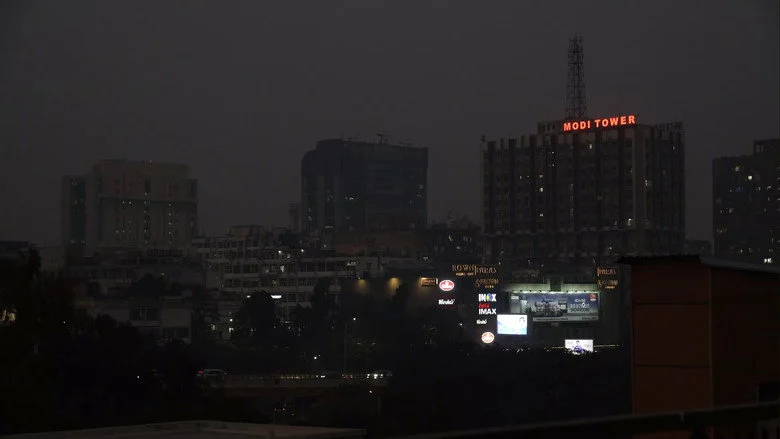
A door in Vakola gets smeared with filth because a retired teacher will not sign a piece of paper. Ben Rekhi builds Last Man in Tower on exactly that scale, no crescendo, no catharsis, just a colony slowly deciding that one man’s principle is an inconvenience worth punishing.
Manoj Bajpayee Builds a Widower Out of Small Gestures
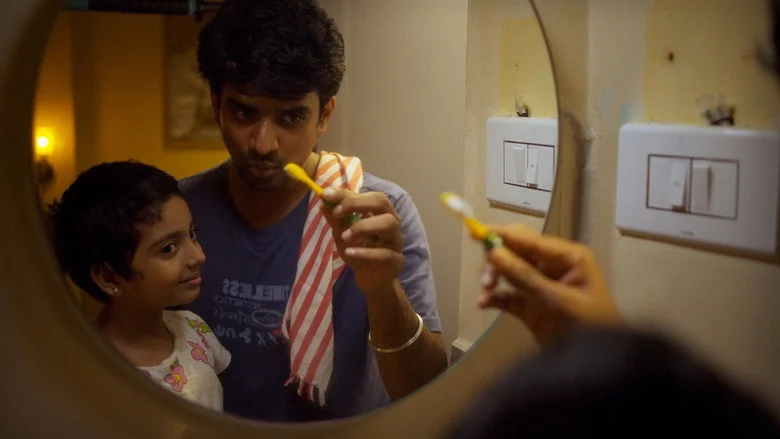
Bajpayee plays Yogesh Mishra with a faint quiver and a deliberately slowed gait, letting age live in the body instead of the dialogue. The strained exchange with his son lands hardest: advice offered, advice dismissed, nothing repaired between them.
Indian Express called him “the unbending moral centre”, and that unbending visibly curdles into loneliness once the utilities are cut and the neighbours stop answering their doors.
Ben Rekhi Keeps the Camera Close and the Anger Closer
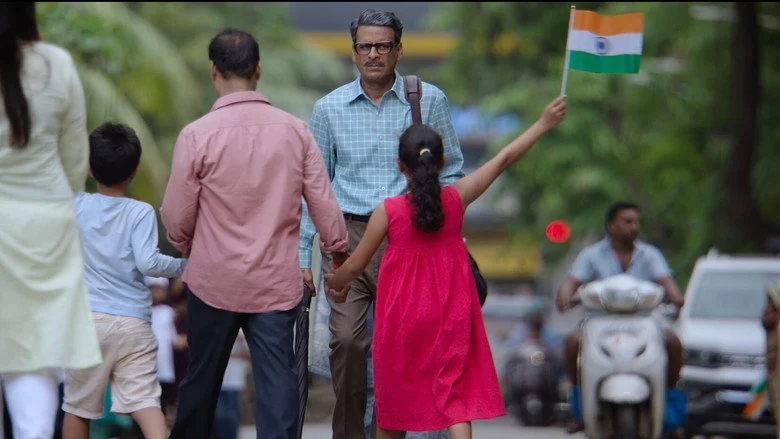
The direction’s real strength is scale control: as the stakes sharpen, Rekhi keeps the camera inside cramped Vakola flats rather than opening the city up. The same instinct becomes the flaw, restraint smooths away the source novel’s satirical edge, and the middle act starts to feel pre-mapped rather than discovered.
Where Khosla Ka Ghosla mined comedy from a near-identical standoff, Rekhi finds only weariness, and I kept waiting for the film to raise its voice without ever hearing it.
Every Battle Here Happens in a Society Meeting
The genre engine is the residents’ meeting, where gossip hardens into moral policing and then quietly into coercion. Redevelopment never arrives as a cartoon villain; the neighbours do the dirty work themselves, one awkward conversation at a time. Financial security is the argument, and every household in Vishram Society finds a private reason to surrender.
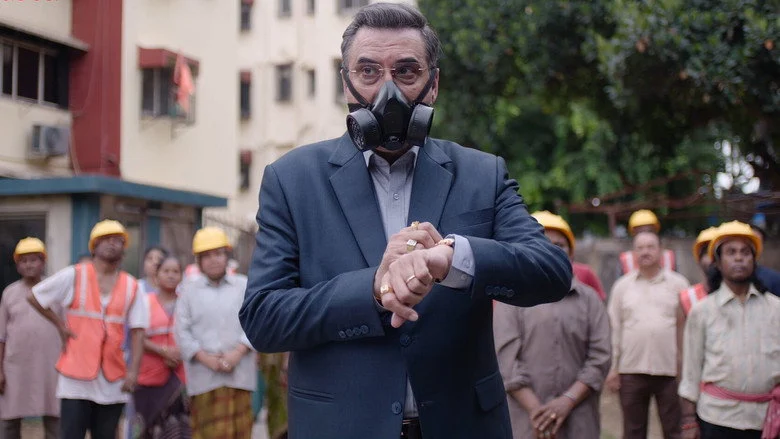
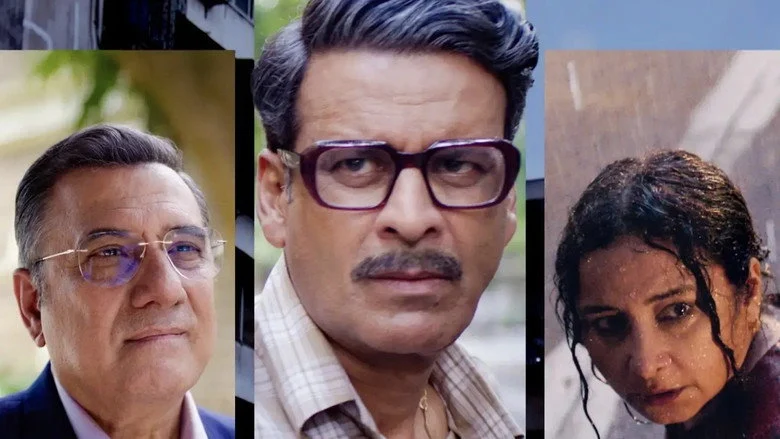
Boman Irani’s Dharmen Shah never raises his voice, and he seems genuinely curious about why Yogesh will not fold. Irani plays him as a builder who finds resistance fascinating rather than infuriating, which is far more unsettling than a tantrum. That politeness is the film’s best piece of craft, because it makes development look reasonable rather than predatory.
The attack on the elderly couple, who comply immediately afterwards, is the sharpest stitch of character and politics in the film. Rekhi refuses to glorify resistance or to condemn compromise, and that honesty is exactly why the ending hands you no release. A sharper film would push the refusal further; this one deliberately will not.
Anyone who tracks the sharper Hindi drama reviews we keep returning to will recognise the terrain, though few of those films sit this quietly inside their own disappointment.
Divya Dutta Turns Neighbourly Warmth Into Leverage
Divya Dutta’s Mrs. Puri weaponises her son’s bond with Yogesh and calls it community, smiling while she applies the knife. She shifts from exhaustion to resentment without a line of dialogue, and the warm-neighbour mask never quite drops.
Sukant Goel’s Gaurav is written thinner as the pragmatic son, yet his push for compliance quietly reframes the argument as generational rather than moral.
Barely Anyone Showed Up, and That Says Something Too
Against a reported ₹0.03 crore India net on day one, per Bollywood Hungama and Koimoi, this ranks among the weakest openers of the year. No political backlash, no censorship fight, no casting controversy, only indifference, which for a film this pointed is its own verdict.
Hollywood Reporter India called it “a well-acted and sobering middle-class tragedy”, and most critics settled somewhere near 3/5.
Go for the acting rather than the argument. Bajpayee, Dutta and Irani work in small, unshowy gestures that reward close attention, and 97 minutes is a modest ask. Watch it in a regular theatre if it is still running; otherwise catch it on OTT, where intimate dramas actually find their audience.
Saif Ali Khan’s Haiwaan also pins its tension on one man absorbing pressure from an encircling system, though it trades restraint for a sharper genre frame.
Last Man in Tower earns a 3.5/5 from me, see it for the performances, and make peace with the fact that a film this polite will never bite the hand that buys the building.
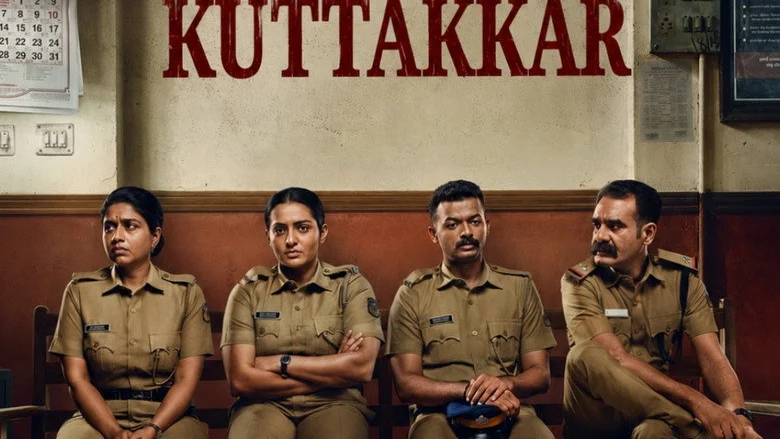
Parvathy’s patchy screenplay in Pradhama Dhrishtya Kuttakkar shares the tension here: a performance strong enough to distract from a script that refuses to push harder.
Readers looking for more hindi drama reviews can explore them on MP4Moviez.